Law Laguna provides focused, attorney-led counsel for significant tenant matters. Rickson Galvez learns the property, condition history, documents, timeline, and practical objective so the advice reflects your situation—not a high-volume intake script.
Because Law Laguna advises both property owners and tenants in separate matters, the first step is a brief conflict check using only the parties' names, property, general issue, and any known deadline. Once that check is complete, Rickson can request the evidence and details needed for a personalized review.
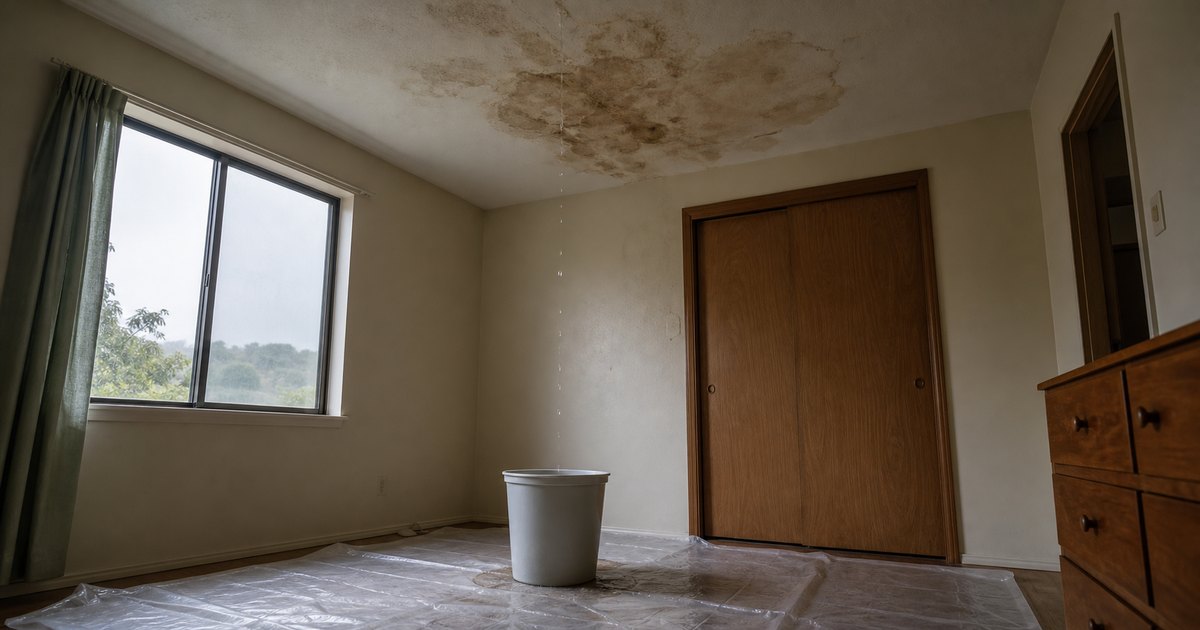
Personalized counsel can be especially useful when the condition or consequences are substantial: loss of essential services, serious water intrusion, sewage, significant infestation, visible mold linked to a broader moisture problem, unsafe electrical or structural conditions, fire or carbon-monoxide risk, prolonged displacement, major property damage, or a documented failure to address a material repair.
Address immediate safety before legal strategy
If a condition presents an immediate threat to life, health, fire safety, or personal security, contact the appropriate emergency service, utility, public-health agency, or local enforcement authority. A law-firm intake is not an emergency-response system.
Without placing yourself at risk:
- Preserve photographs and video showing the date, location, scale, and surrounding area.
- Save written repair notices, work orders, access communications, vendor messages, and agency records.
- Record when the condition began, when notice was given, and what happened next.
- Preserve damaged property and receipts when safe and practical.
- Follow qualified medical, utility, remediation, or public-agency instructions rather than attempting dangerous work.
- Do not destroy original files or rely only on social-media posts.
Do not assume that withholding rent, arranging repairs and deducting the cost, terminating the tenancy, refusing access, or abandoning the unit is automatically lawful. Each can affect possession, money, and evidence.
California's habitability baseline
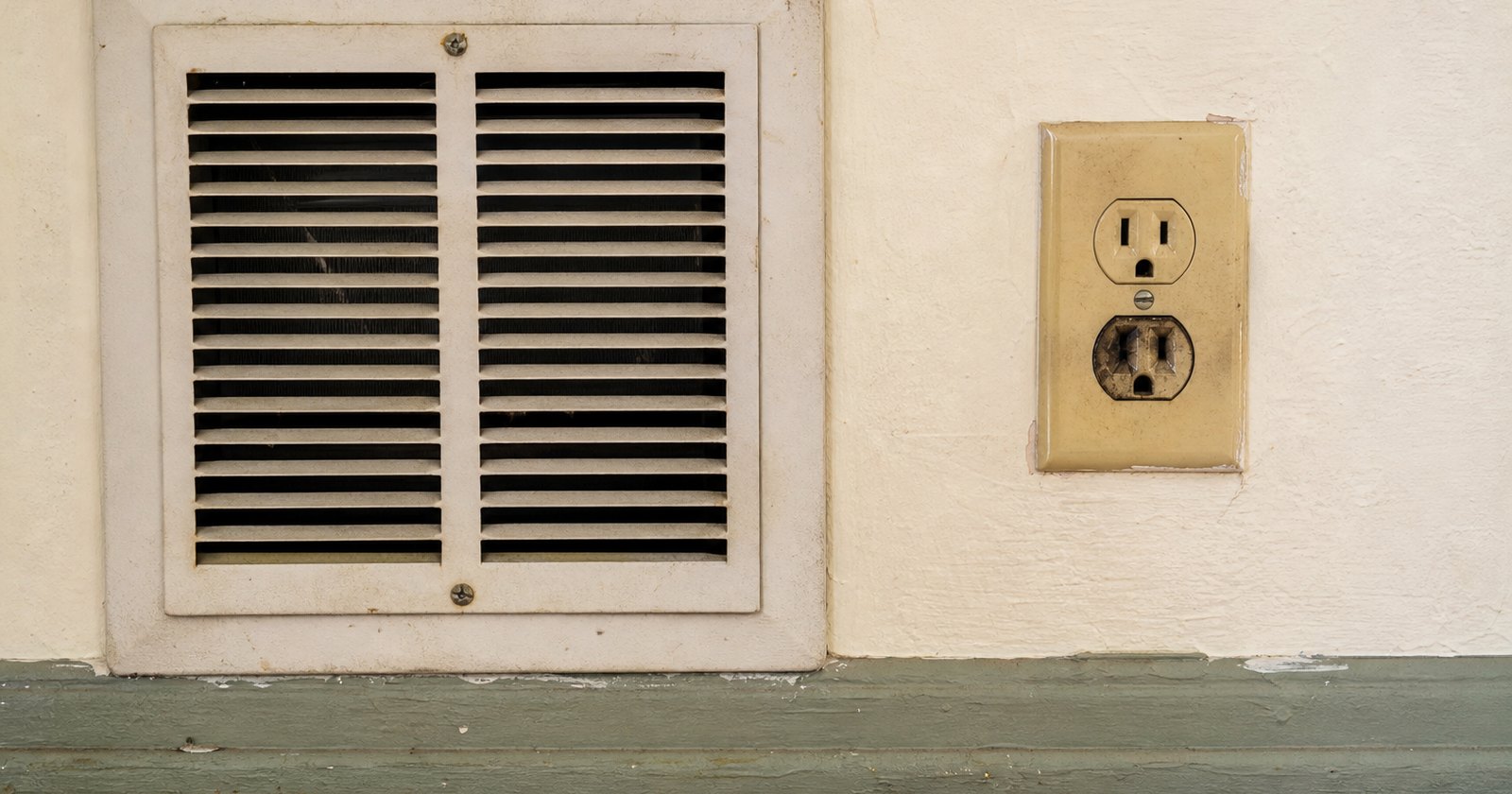
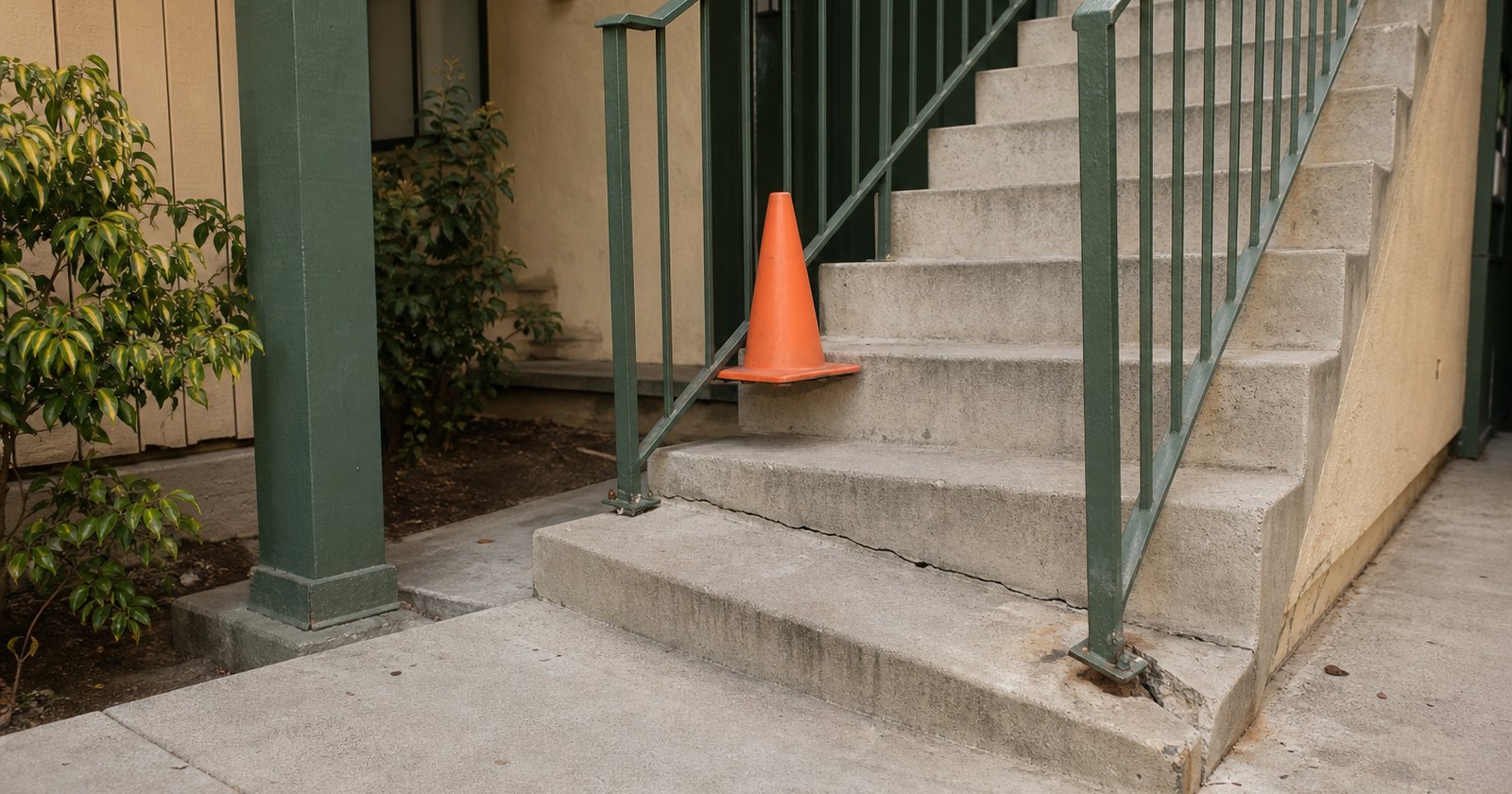
Civil Code section 1941.1 identifies characteristics relevant to whether a dwelling is tenantable. The current list includes effective weather protection, functioning plumbing and gas facilities, hot and cold water connected to an approved sewage system, heat, safe electrical systems, sanitary buildings and grounds, garbage facilities, and floors, stairs, and railings in good repair.
For qualifying leases entered into, amended, or extended on or after January 1, 2026, the statute also addresses a functioning stove and refrigerator, subject to stated exceptions and a specific tenant-provided-refrigerator option.
Health and Safety Code section 17920.3 identifies conditions that can make a building substandard when they exist to an extent that endangers occupants or the public. Its categories include inadequate sanitation, lack of adequate heat, dampness, certain infestations, visible mold as determined by an authorized official, structural hazards, faulty weather protection, dangerous wiring or plumbing, and inadequate exits or fire protection.
A condition does not become or cease to be legally significant because one party calls it "cosmetic," "mold," "damage," or "uninhabitable." The nature, severity, cause, duration, notice, access history, technical or agency findings, and effect on use of the unit all matter.
Notice, access, and response history matter
Many habitability remedies depend on what the housing provider knew and whether a reasonable opportunity to investigate and repair was provided. A useful chronology separates:
- The first observation of the condition.
- Each oral and written notice.
- The owner or manager's response.
- Entry requests, notices, access provided, and missed appointments.
- Vendor inspections, testing, temporary measures, and completed work.
- Recurrence or failure.
- Code, health, fire, utility, or other agency involvement.
- Any rent demand, notice, service reduction, or move-out discussion that followed.
Tenant conduct can also affect the analysis when it substantially contributes to the condition or interferes with needed work. That does not justify ignoring a dangerous condition; it means cause and access must be evaluated from a complete record.
Public inspection can create important evidence
Local building, housing, environmental-health, or fire agencies may inspect and issue a notice, citation, order, or clearance. Health and Safety Code section 17980 addresses enforcement proceedings for violations and substandard buildings.
An agency record can be important, but it should be read carefully:
- Which unit or area was inspected?
- What conditions were actually observed?
- Which code provisions were cited?
- Who received the notice?
- What correction period was given?
- Was a reinspection completed?
- Did the agency require repair, vacation, demolition, or another step?
An agency's operational guidance or closure of a complaint does not necessarily resolve every private lease or damages issue.
Be cautious with self-directed remedies
Civil Code section 1942 describes repair-and-deduct and vacate remedies when statutory conditions are satisfied. The repair-and-deduct remedy is limited by cost, frequency, notice, reasonable time, cause, and other requirements.
Civil Code section 1942.4 creates consequences when all of its conditions involving serious defects, official inspection and notice, the correction period, and tenant causation are met.
Rent withholding, repair and deduct, vacating, or claiming constructive eviction can create substantial risk if the facts do not satisfy the governing rule. A tenant may face an eviction filing, disputed rent balance, credit consequences, or a claim that access was denied or the condition was tenant caused. Review the full record before relying on a remedy.
Facts and documents that matter
After conflict clearance, a serious-condition review may require:
- The lease, addenda, disclosures, and move-in condition record.
- A dated condition chronology.
- Original photographs and videos.
- Written and oral notice records.
- Repair tickets, entry notices, scheduling communications, and access history.
- Vendor reports, test results, invoices, remediation plans, and completion records.
- Code, health, fire, utility, or insurance records.
- Medical or disability-related information only when relevant and requested through a secure process.
- Receipts for temporary housing, damaged property, moving, storage, or other claimed loss.
- Rent records, notices, demands, and court papers.
- Communications about relocation, hotel arrangements, rent credits, termination, or settlement.
Preserve sensitive records. Do not include medical details or upload documents in the first conflict screen.
How Law Laguna may help
A defined engagement may include:
- Organizing the condition, notice, access, repair, and agency chronology.
- Identifying the statewide and local rules requiring review.
- Separating urgent safety decisions from longer-term claims.
- Assessing the strengths, gaps, and risks in the current evidence.
- Reviewing a proposed repair, access, temporary-relocation, rent-credit, termination, or settlement arrangement.
- Drafting or revising a focused notice, response, demand, or negotiated term sheet.
- Preparing an organized transition to agency, eviction, or civil litigation counsel.
The objective is not to escalate every repair dispute. It is to choose a path that addresses safety, housing stability, money, and evidence without creating a second problem.
Law Laguna can assess the tenancy, documents, local requirements, available options, and pre-litigation strategy. If a filed court action becomes necessary, the firm can help prepare an organized transition to appropriate litigation counsel.
Local and related issues
Local codes may add inspection systems, repair deadlines, relocation benefits, tenant-harassment rules, rent-reduction procedures, or disaster requirements. Confirm the property's actual city or unincorporated-county jurisdiction through the Local Landlord Law Center.
The owner-side Habitability, Repairs, and Temporary Relocation, Mold, Lead, Asbestos, and Toxic Conditions, and Post-Disaster Habitability and Remediation guides identify the corresponding compliance systems.
Questions tenants often ask
Does every unrepaired item create a habitability claim?
No. The condition, severity, duration, effect on use or safety, notice, reasonable repair time, cause, access, and governing code all matter. A lease obligation may exist even when a condition does not make the dwelling legally untenantable.
Should I stop paying rent until the problem is fixed?
Do not assume rent withholding is automatically protected. It can trigger a possession case and depends on facts and law. Obtain prompt, property-specific advice before changing payment.
Can I repair the condition and deduct the cost?
Civil Code section 1942 provides a limited remedy when its requirements are met. Cost, frequency, notice, timing, tenant causation, and whether the condition renders the premises untenantable require review.
Is a code-enforcement citation conclusive?
It can be strong evidence of the condition and notice, but its scope, findings, correction status, and legal effect must be examined. It may not resolve every private claim.
What if I have already received an eviction notice or complaint?
Preserve it and seek immediate help. Court and notice deadlines can be short. This page does not promise eviction defense or a court appearance; Law Laguna may be unable to complete conflict and scope review in time.
When is private attorney review most useful?
Focused attorney review is most useful when unsafe conditions, repair history, evidence, displacement, retaliation concerns, or financial consequences create a significant legal and practical problem. A routine repair request may be resolved more quickly through the housing provider or the appropriate local agency.
Confirm current rules before acting
Habitability, appliance, disaster, agency, and local relocation rules change. Verify current official requirements for the property and condition before acting.
Schedule a tenant consultation
The first screen should identify only the parties, property, county, broad unsafe-condition category, and known deadline.
Protecting your information: Do not send confidential details or documents with the first inquiry. Law Laguna will first confirm conflicts, scope, and availability. Submitting an inquiry does not create an attorney-client relationship.