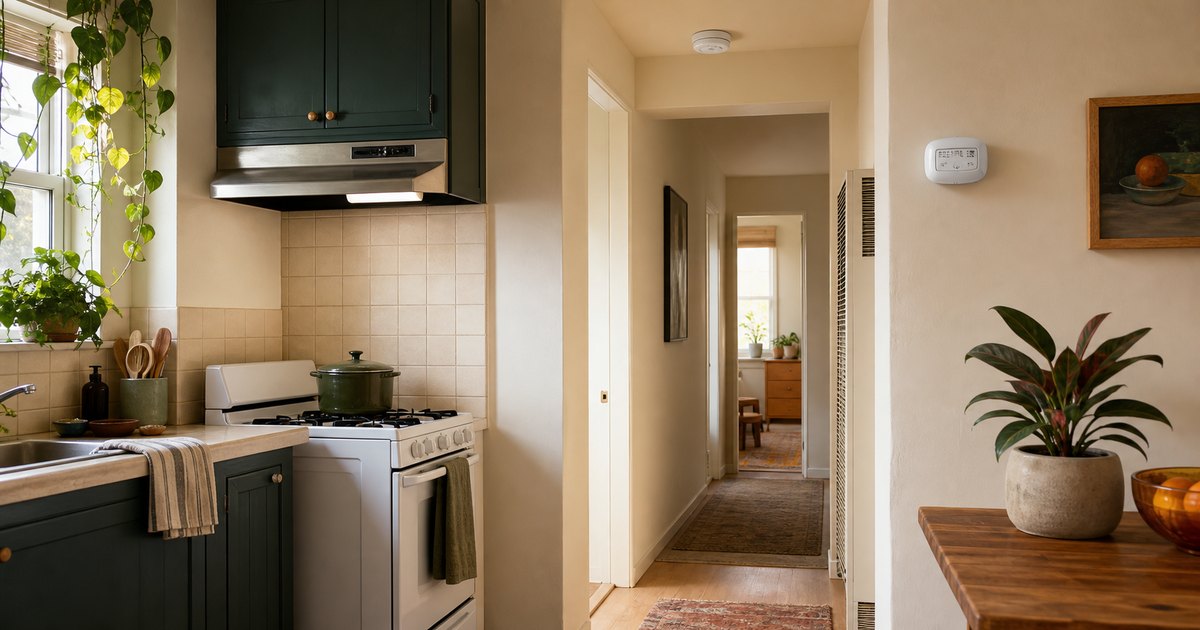
Short answer: California owners are responsible for installing and maintaining required smoke alarms and carbon-monoxide devices and ensuring operability at the start of a tenancy. Building and fire codes can require additional alarms, systems, inspections, egress controls, and equipment based on the property. For qualifying leases entered into, amended, or extended on or after January 1, 2026, Civil Code section 1941.1 now also requires a safe, working stove and refrigerator, subject to stated exceptions and a carefully limited tenant-provided-refrigerator option.
Immediate owner checklist
- Inventory each unit, common area, sleeping area, level, attached garage, fireplace, fuel-burning appliance, alarm panel, extinguisher, sprinkler, exit, fire door, emergency light, and supplied appliance.
- Confirm the property’s occupancy type, unit count, construction and permit history, and current local code edition.
- Verify that devices are approved or listed as required and installed in the correct locations under current standards and manufacturer instructions.
- Test and document devices before every new tenancy.
- Respond promptly to every reported inoperable alarm, detector, panel, appliance, outlet, gas connection, or blocked exit.
- Track batteries, sealed-life or end-of-life signals, manufacture dates, replacement dates, and recalls.
- Preserve inspection reports, panel service, fire-department notices, permits, invoices, photographs, and tenant communications.
- Review every lease, amendment, and extension dated on or after January 1, 2026 for stove and refrigerator compliance.
- Check local fire, housing, defensible-space, smoke-free, and inspection programs.
What not to do
- Do not rely only on a tenant’s signed acknowledgment that an alarm worked.
- Do not remove or disable a device because of nuisance alarms.
- Do not substitute an ordinary residential device for a required panel-connected or system component.
- Do not enter a unit without following the applicable emergency or notice rule.
- Do not treat a tenant’s failure to report as permission to ignore a known deficiency.
- Do not assume every fire extinguisher, sprinkler, hood, or alarm-panel rule is identical across property types.
- Do not condition a tenancy on the tenant supplying a refrigerator.
- Do not leave a recalled stove or refrigerator in service merely because it still operates.
- Do not reuse a pre-2026 lease form without checking the new appliance language.
Build the property safety profile
The controlling rules depend on:
- Single-family, duplex, multifamily, hotel, mixed-use, or condominium use.
- Unit count, number of stories, high-rise status, and sleeping arrangements.
- Construction date, remodels, permits, and local code edition.
- Fuel-burning heaters or appliances, fireplaces, and attached garages.
- Individual alarms versus a monitored or panel-connected fire-alarm system.
- Sprinklers, extinguishers, standpipes, commercial kitchens, garages, laundry, elevators, and emergency power.
- Wildland-urban interface, defensible-space, vegetation, and access conditions.
- Owner-supplied versus tenant-owned appliances.
- Lease date, amendment, renewal or extension.
- Local rental registration, periodic inspection, or fire-department program.
A single-family smoke-alarm checklist cannot substitute for a multifamily fire-system inspection, and a fire-system vendor cannot decide what the lease must say about a 2026 refrigerator election.
California smoke-alarm duties
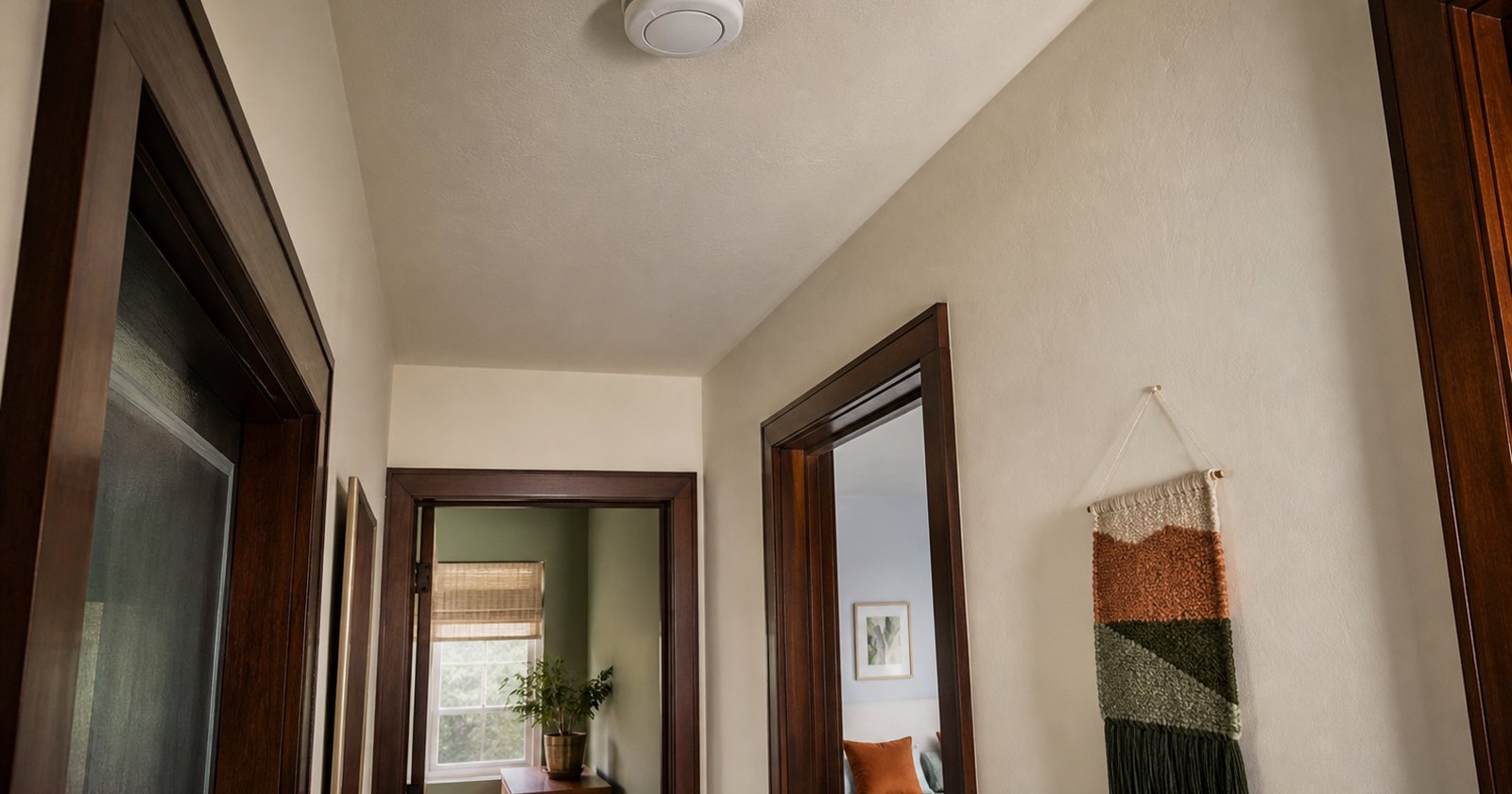
Health and Safety Code section 13113.7 generally requires smoke alarms approved and listed by the State Fire Marshal at installation and installed according to manufacturer instructions in dwellings intended for human occupancy.
For rented apartment complexes, other multiple-dwelling complexes, and rented single-family dwellings, the owner is responsible for testing and maintaining the required alarms. At the creation of a new tenancy, the owner must ensure operability. A tenant is responsible for notifying the owner or manager if the tenant becomes aware of an inoperable alarm; the owner or authorized agent must correct a reported deficiency.
The statute permits owner entry for installation, repair, testing, and maintenance, but except in an emergency it requires reasonable written notice and entry during normal business hours. Twenty-four hours is presumed reasonable absent contrary evidence. Coordinate this rule with the broader landlord entry guide.
Existing devices do not always require replacement merely because a newer type exists, but inoperable devices and new installations must comply with current approval and location rules. Permit work, local ordinances, manufacturer end-of-life instructions, and building standards can trigger more.
Carbon-monoxide devices
Health and Safety Code section 17926 requires approved and listed carbon-monoxide devices in each existing dwelling unit that has a fossil-fuel-burning heater or appliance, fireplace, or attached garage. The number and placement should follow the building standards for the relevant occupancy or manufacturer instructions where technically feasible.
Section 17926.1 makes the rental owner or agent responsible for maintenance, permits entry under Civil Code section 1954, requires an operable device when the tenant takes possession, and requires correction of a reported deficiency.
Document the specific device, location, test, installation date, end-of-life date, and repair. A combined smoke/CO unit must be approved for the functions and placement required; “combination” does not eliminate the need to confirm both rules.
Fire safety goes beyond individual alarms
Depending on the building, the owner may need to manage:
- Fire-alarm panels, detectors, pull stations, and monitoring.
- Sprinklers, standpipes, valves, pumps, and inspection tags.
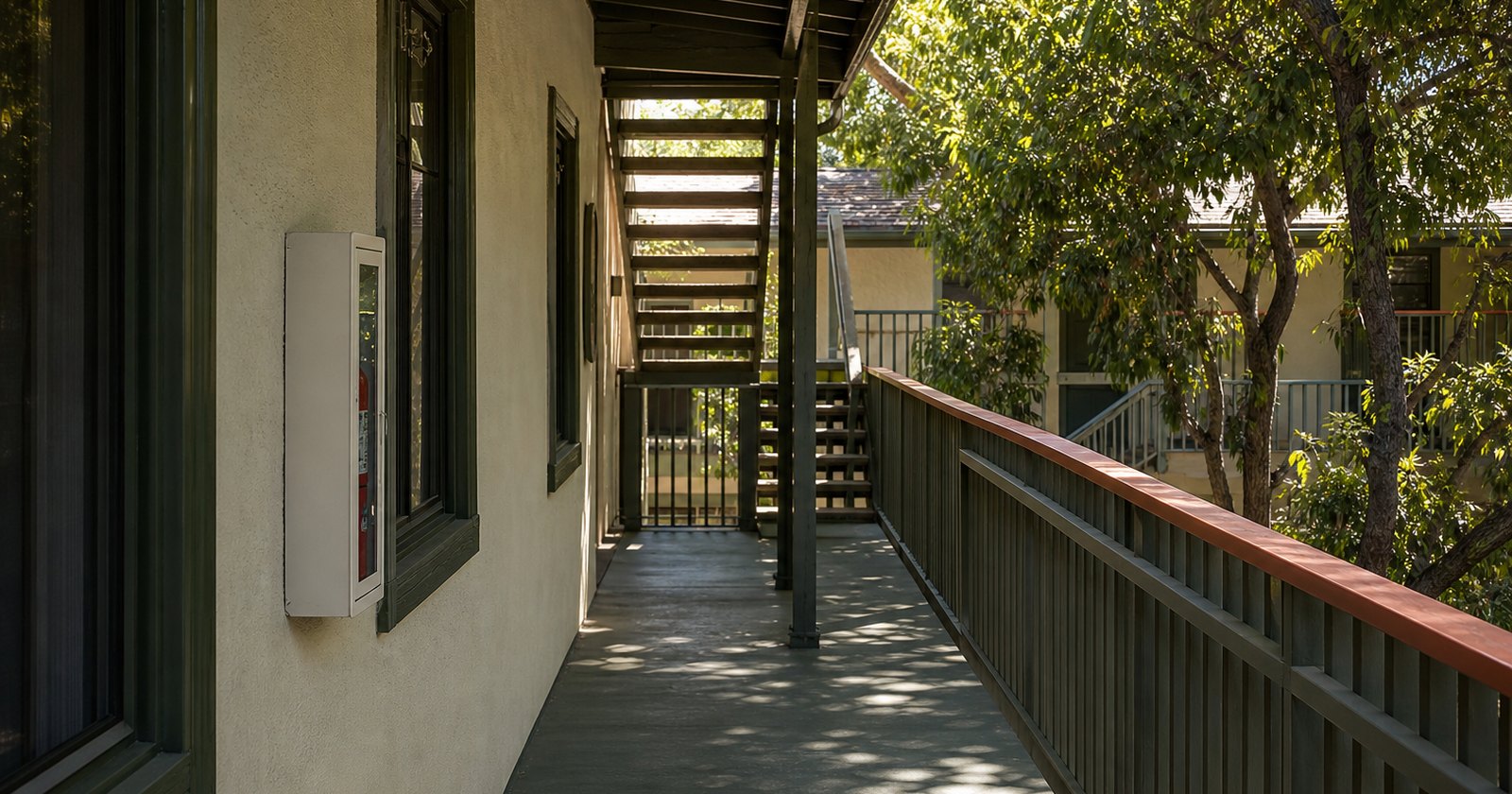
- Fire extinguishers and commercial cooking suppression.
- Exit routes, signs, emergency lighting, and door hardware.
- Fire doors, self-closing devices, penetrations, and rated assemblies.
- Garage separation and storage controls.
- Address visibility and emergency access.
- Vegetation, defensible space, and wildfire hardening.
- Laundry, boiler, electrical, elevator, and generator rooms.
- Fire-department inspection, testing, correction, and permit records.
No statewide summary can identify every equipment duty without the occupancy, code edition, permit history, and local adoption. Start with the California Building Standards Commission’s current code editions, then confirm the local building and fire authority’s requirements. A vendor’s annual tag does not necessarily close an agency correction notice.
The 2026 stove and refrigerator rule
Civil Code section 1941.1 was amended by AB 628, effective January 1, 2026. For a qualifying lease entered into, amended, or extended on or after that date, the dwelling’s tenantability characteristics include:
- A stove maintained in good working order and capable of safely generating heat for cooking.
- A refrigerator maintained in good working order and capable of safely storing food.
A stove or refrigerator subject to a manufacturer or public-entity recall is not treated as safe for that purpose. The owner must repair or replace a recalled covered stove or refrigerator within 30 days after receiving notice of the recall.
The rule has stated exceptions
The new stove and refrigerator characteristics do not apply to:
- Permanent supportive housing as defined by the statute.
- A qualifying single-room occupancy unit.
- A unit in a statutory residential hotel.
- A dwelling in a facility offering shared or communal kitchen spaces, including an assisted-living facility.
Classify the property against the actual definitions before using an exception.
Tenant-provided refrigerator election
At lease signing, a landlord and tenant may mutually agree that the tenant will provide and maintain the tenant’s own refrigerator only if the statutory conditions are met. The lease must contain the prescribed acknowledgment in substantially the required form, allow the tenant to give 30 days’ written notice that the tenant no longer wishes to provide the refrigerator, and require the landlord to install a working refrigerator at the end of that notice period.
The owner may not condition the tenancy on the tenant providing a refrigerator. The statutory election addresses the refrigerator, not the stove. Do not adapt a general “tenant supplies appliances” clause and assume it complies.
Appliance compliance as an operating system
For every owner-supplied stove, refrigerator, heater, water heater, washer, dryer, dishwasher, microwave, hood, or other appliance, retain:
- Make, model, serial number, unit, and installation date.
- Owner or tenant ownership designation.
- Warranty, manual, and service history.
- Gas, electrical, ventilation, restraint, and permit documentation where applicable.
- Recall searches and notice dates.
- Repair requests, technician findings, parts, and closure.
- Replacement and disposal records.
Use the State Fire Marshal recall page and manufacturer or federal recall systems appropriate to the product. Do not wait for the annual calendar when an owner receives an actual recall notice or a report of smoke, arcing, gas odor, overheating, or combustion.
Move-in, tenancy, and turnover workflow
Before marketing or lease signing
Classify the building, inspect devices and systems, review open fire or building corrections, inventory appliances, check recalls, and update the lease for the January 1, 2026 appliance law.
Before possession
Test each required smoke and CO device, document location and result, confirm clear exits and safe supplied appliances, and retain dated photographs. Give the tenant a clear reporting method.
During the tenancy
Calendar system service and agency inspections. Respond to every deficiency report, arrange lawful entry, use qualified vendors, and verify—not merely schedule—repair.
At renewal, amendment, or extension
Treat the document event as a legal checkpoint. Determine whether the stove and refrigerator provisions now apply and whether a tenant-provided refrigerator election is valid and voluntary.
At turnover
Retest, replace end-of-life devices, close fire-code notices, inspect exits and appliances, update inventories, and retain the previous tenancy’s records.
Use the annual compliance calendar and habitability-response guide to connect recurring checks with repair intake.
The Big 3 local overlay
- Orange County and Laguna Beach: Confirm the incorporated city and fire authority. Laguna Beach has fire-prevention, annual fire and life-safety inspection, defensible-space, vegetation, and coastal or hillside operational issues. Use the Orange County guide and Laguna Beach guide.
- Los Angeles County: Separate City of Los Angeles, unincorporated county, and other cities. Building, fire, LAHD or county housing inspections, and local smoke-free or safety programs may overlap. Use the Los Angeles County guide and City of Los Angeles guide.
- San Diego County: Confirm city boundaries and fire authority. City of San Diego building, fire, and tenant-protection rules may differ from county or another city; Carlsbad and other cities can add smoke-free housing rules. Use the San Diego County guide and City of San Diego guide.
Common mistakes
- Testing devices but recording no location or result.
- Replacing a battery when the device has reached end of life.
- Ignoring recurring nuisance alarms instead of correcting the source or device.
- Using one work order for both individual alarms and a regulated fire-alarm system.
- Blocking egress during construction or storage.
- Missing local fire-inspection deadlines or correction dates.
- Assuming the tenant owns an appliance without a clear record.
- Using a refrigerator election after move-in rather than at lease signing.
- Forgetting that an amendment or extension on or after January 1, 2026 may trigger the appliance rule.
- Keeping a recalled appliance in service beyond the statutory response.
Questions property owners often ask
Who must test smoke alarms in a California rental?
For covered rentals, the owner is responsible for testing and maintaining required smoke alarms and must ensure they are operable when a new tenancy is created. The tenant must notify the owner of a known inoperable alarm, but that does not excuse an owner who already knows of a deficiency.
Can a tenant remove a smoke or CO device?
A tenant should not disable required safety equipment. The owner should promptly document the report, arrange lawful access, restore compliant protection, and address the cause rather than leaving the unit unprotected while debating responsibility.
Are carbon-monoxide devices required in an all-electric unit?
Section 17926 focuses on a dwelling with a fossil-fuel heater or appliance, fireplace, or attached garage. Building configuration, shared sources, permit work, and local rules may still matter, so confirm the property rather than relying only on an appliance list.
Is 24-hour notice always required to test an alarm?
The smoke-alarm statute presumes 24 hours reasonable absent contrary evidence for nonemergency entry, while emergencies are treated differently. Consent, the purpose, timing, and Civil Code section 1954 still matter.
Must every California rental now include a stove and refrigerator?
The 2026 rule applies to qualifying leases entered into, amended, or extended on or after January 1, 2026 and has stated property exceptions. Review the lease event and property type before answering.
Can the tenant agree to supply a refrigerator?
Yes, only through the statute’s voluntary election at lease signing with required language and a 30-day path for the tenant to require landlord installation. The owner cannot condition the tenancy on that election.
What if a stove or refrigerator is recalled?
For a covered appliance under section 1941.1, a recalled unit is not treated as safe for the statutory purpose. The owner must repair or replace it within 30 days after receiving notice of the recall and should take faster action if an immediate hazard exists.
Does a smoke-alarm checklist prove all fire-code compliance?
No. A property may have alarm-panel, sprinkler, extinguisher, egress, fire-door, garage, commercial-space, or local-inspection duties. Build a system inventory with the local fire and building authorities.
Official sources
See the property-compliance hub.
Turn safety duties into a documented routine
Bring the property profile, device and system inventory, inspection records, lease, appliance list, repair history, recall notices, local corrections, and calendar.
Request a Lease or Compliance Review
Laws and local procedures change. This page is general information, not legal advice.
Verify the current declaration, rate, fee, form, or agency instruction before acting.