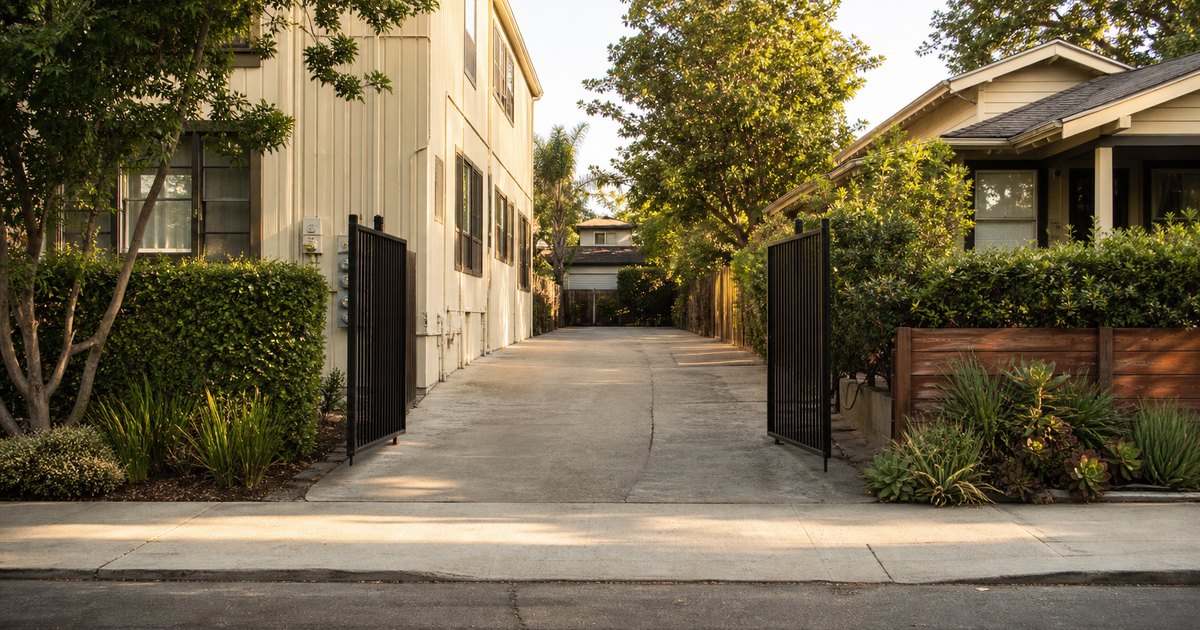
An access or boundary dispute should be analyzed from the recorded documents, physical conditions, use history, title record, and the owner’s practical objective. Online parcel maps and neighbor recollections are useful clues, but they are not a complete answer.
Law Laguna helps California owners identify the property right at issue, build the record, work with survey and title professionals, negotiate durable solutions, and prepare an organized transition to litigation counsel if court relief becomes necessary.
The short answer
Before blocking access, removing an improvement, moving a fence, installing a gate, or signing an agreement:
- Identify the parcels and current owners.
- Obtain the deeds, title materials, and recorded instruments.
- Confirm the physical location with an appropriate survey when needed.
- Reconstruct how the area has been used and maintained.
- Define the change or interference that created the dispute.
- Evaluate both recorded and fact-dependent claims.
- Choose a solution that can bind current and future owners when appropriate.
What an easement is
An easement is a nonpossessory right to use or restrict the use of real property for a defined purpose. California Civil Code section 801 lists recognized types of land burdens that may operate as appurtenant easements.
Common examples include:
- Ingress and egress.
- Driveway use.
- Pedestrian access.
- Utilities.
- Drainage.
- Parking.
- Maintenance access.
- Light, air, or water rights in defined settings.
- Party-wall or support rights.
The parcel receiving the benefit is commonly called the dominant tenement, and the burdened parcel the servient tenement. Some rights are held personally rather than attached to another parcel. The instrument and circumstances control.
How easement rights may arise
Potential theories include:
- Express grant.
- Express reservation.
- Recorded declaration, map, or agreement.
- Implication from prior use.
- Necessity.
- Prescription.
- Estoppel.
- Equitable relief in limited circumstances.
- Government or utility rights.
These theories have different elements. Long use alone does not automatically establish ownership or an easement, and friendly or permitted use may have different legal consequences from adverse use.

Read the instrument before arguing about the conduct
For an express easement, review:
- Granting language.
- Benefited and burdened property.
- Legal description.
- Map or exhibit.
- Purpose.
- Width and location.
- Exclusive or nonexclusive language.
- Vehicle, pedestrian, parking, utility, or construction rights.
- Gate and security provisions.
- Maintenance.
- Cost allocation.
- Insurance and indemnity.
- Relocation.
- Transfer and successor language.
- Amendment and termination.
Terms should be read in the context of the entire instrument, title chain, and relevant law.
Scope and overuse
Even when an easement exists, the dispute may concern scope.
Questions include:
- Is the use within the stated purpose?
- Has the intensity materially changed?
- Does the right serve additional land?
- Are new vehicles, tenants, customers, or deliveries involved?
- Does parking obstruct passage?
- Has a gate or code changed practical access?
- Is construction access permitted?
- Are utilities within the right?
- Does the use unreasonably burden the servient property?
A use that feels inconvenient is not necessarily legally excessive. A use that fits physically is not necessarily authorized.
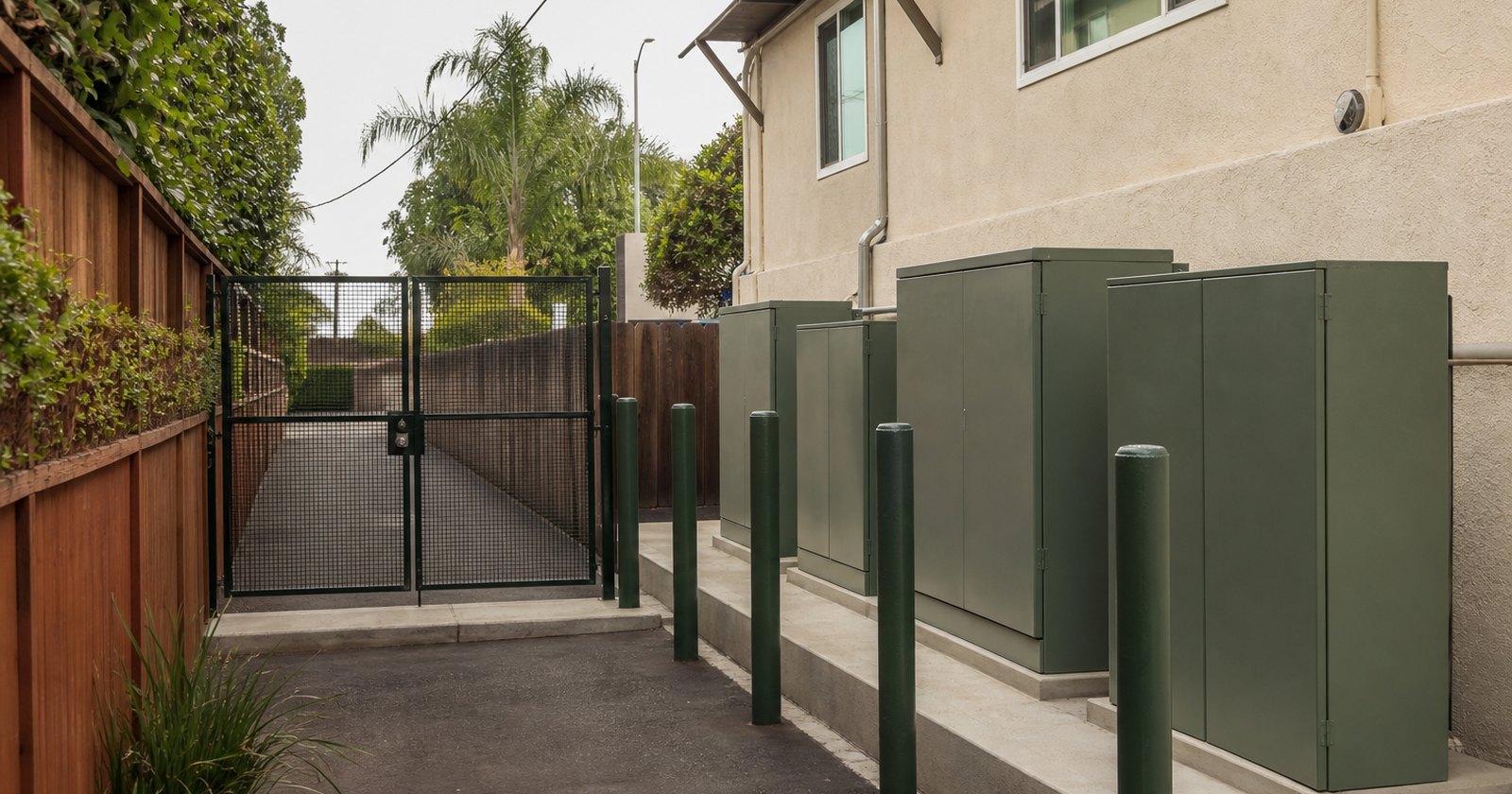
Gates and access controls
Owners often want a gate for privacy, security, animals, or traffic control.
Before installing or changing one, analyze:
- Easement wording.
- Historical use.
- Required width and clearance.
- Emergency access.
- Lock, code, or remote procedures.
- Delivery and service needs.
- Disability access.
- Fire and building rules.
- Failure and outage procedures.
- Cost and maintenance.
A written gate protocol can resolve a conflict more efficiently than an abstract argument about whether a gate is “reasonable.”
Easement maintenance and cost sharing
California Civil Code section 845 addresses maintenance of private rights-of-way.
At a high level:
- The owner of the easement or land to which it is attached has a repair duty.
- When multiple parties own or benefit from the right, an agreement can allocate cost.
- Without an agreement, the statute uses proportional use.
- Written demand and specified procedures matter when seeking contribution.
The statute does not answer every question about upgrades, deferred maintenance, drainage, private utilities, damage caused by one user, aesthetic work, or work beyond repair.
A useful maintenance agreement may address:
- Routine work.
- Capital replacement.
- Emergency authority.
- Standard of work.
- Contractor selection.
- Bidding.
- Cost allocation.
- Damage caused by a party.
- Snow, vegetation, drainage, lighting, and gates where relevant.
- Insurance.
- Notice.
- Records.
- Dispute resolution.
- Successors.
Boundary disputes
A boundary problem may involve:
- Conflicting legal descriptions.
- A fence away from the record line.
- Missing or disturbed monuments.
- Inaccurate assumptions from landscaping.
- Old subdivision maps.
- Encroaching improvements.
- A retaining wall.
- Shoreline or slope conditions.
- Agreement or conduct by prior owners.
The starting file usually includes:
- Current and prior deeds.
- Recorded maps.
- Title policy and exception documents.
- Survey.
- Improvement plans.
- Permits.
- Historical photographs.
- Purchase disclosures.
- Communications.
- Evidence of use and maintenance.
A survey locates; legal analysis characterizes
A licensed surveyor can perform essential technical work concerning record boundaries, monuments, measurements, and improvements. Legal counsel addresses how the documents and facts affect claims, defenses, remedies, and settlement.
Ask the surveyor a defined question:
- Where is the record line?
- Where is the improvement relative to it?
- Which monuments control?
- Where is the described easement?
- Do deed descriptions close?
- What conflict appears in the record?
Do not ask an online mapping layer to perform that function.
Encroachments
Examples include:
- Fence.
- Wall.
- Eave.
- Balcony.
- Deck.
- Driveway.
- Patio.
- Drain.
- Utility line.
- Landscaping.
- Foundation.
- Pool equipment.
Possible responses include:
- Removal.
- Modification.
- License.
- Easement.
- Boundary adjustment.
- Purchase or exchange of land.
- Maintenance agreement.
- Insurance and indemnity.
- Agreed nonwaiver.
- Litigation.
The right response depends on safety, value, duration, intent, cost, title effect, land-use requirements, lender consent, and future sale.
Adverse possession is not the same as a prescriptive easement
These doctrines can involve long-term use, but they are not interchangeable.
An owner should not accept a statement such as “they have used it for five years, so it is theirs” without examining:
- Nature of the claimed right.
- Continuity.
- Openness.
- Adversity or permission.
- Claim of right.
- Exclusivity where relevant.
- Property-tax issues where relevant.
- Interruptions.
- Parties and predecessors.
- Exact area and use.
Current California case law and the complete history matter.
Access problems during purchase, sale, or development
Access should be investigated before:
- Buying land.
- Financing.
- Adding units.
- Changing use.
- Constructing an ADU.
- Subdividing.
- Increasing traffic.
- Reconfiguring parking.
- Selling a parcel separately.
Confirm:
- Legal access.
- Physical access.
- Emergency access.
- Utility access.
- Maintenance rights.
- Road standard.
- Permit assumptions.
- Lender and title requirements.
- Whether additional use is within scope.
A parcel that is physically reachable may not have adequate legal access for the intended project.
Immediate steps in an access dispute
Do
- Preserve the status quo when safe.
- Collect the complete documents.
- Photograph the condition.
- Save gate logs and communications.
- Record dates and interruptions.
- Identify emergency or business impact.
- Notify insurance or transaction professionals when appropriate.
- Seek prompt review if access is actually blocked.
Do not
- Destroy a gate, fence, road, or improvement.
- Record a homemade easement.
- Threaten criminal action casually.
- Concede permanent rights in text messages.
- Rely on the assessor map as a survey.
- Perform risky construction within the disputed area.
Negotiated solutions
A settlement may be more useful than a broad release alone.
Possible documents include:
- Easement.
- Amendment.
- License.
- Gate and access protocol.
- Maintenance agreement.
- Boundary agreement.
- Encroachment agreement.
- Construction-access agreement.
- Drainage agreement.
- Cost-sharing agreement.
- Mutual release.
If the solution should bind future owners, consider:
- Recordability.
- Legal descriptions and exhibits.
- Lender consent.
- Title review.
- Appurtenant status.
- Successors and assigns.
- Maintenance and enforcement.
- Termination.
When formal litigation may be required
Potential proceedings can involve:
- Quiet title.
- Declaratory relief.
- Injunction.
- Trespass.
- Nuisance.
- Damages.
- Specific performance.
- Reformation.
- Contribution.
California’s quiet-title framework imposes specialized party, pleading, service, evidence, and judgment rules. Urgent access or construction may also require prompt injunction analysis.
Law Laguna can prepare the factual and document record, evaluate pre-litigation options, and transition a filed matter to appropriate litigation counsel.
How Law Laguna can help you move forward
Depending on scope, Law Laguna can:
- Review title, deeds, easements, surveys, maps, and permits.
- Build the ownership and use chronology.
- Identify evidence gaps.
- Coordinate questions for a surveyor or title professional.
- Assess access, scope, overuse, maintenance, or encroachment issues.
- Draft a demand, response, standstill, or access protocol.
- Negotiate practical terms.
- Draft easement, license, maintenance, boundary, and settlement documents.
- Review a transaction affected by the dispute.
- Prepare an organized litigation referral.
Questions property owners often ask
Does an easement give someone ownership of my land?
Ordinarily an easement is a defined use right, not fee ownership. The instrument and any fact-dependent claims must be reviewed.
Can I block an easement because the other owner has not paid for repairs?
Do not assume self-help is permitted. Review the instrument, Civil Code section 845, any agreement, demand history, access impact, and available remedies.
Can an easement be moved?
The answer depends on the instrument, agreement, applicable law, title, feasibility, and effect on the benefited property. A servient owner should not assume a unilateral right to relocate.
Is a fence the legal property line?
Not necessarily. A fence is physical evidence, but the deed, map, monuments, survey, history, and legal doctrines may point to a different conclusion.
Can years of permitted use become a prescriptive easement?
Permission can be inconsistent with an adverse-use theory, but the exact facts, communications, duration, and California law require review.
Who pays to maintain a shared private road?
First review any recorded or written agreement. Civil Code section 845 can allocate maintenance cost proportionally to use when specified parties share the easement and no agreement governs.
Should an encroachment agreement be recorded?
Often the parties want a solution that is visible to title and affects successors, but recording, lender consent, legal description, land-use consequences, and termination terms must be evaluated.
Does Law Laguna litigate easement and boundary cases?
The firm focuses on assessment, documents, negotiation, settlement, and pre-litigation preparation. If a filed case or immediate injunction is necessary, Law Laguna can help organize the matter and transition it to appropriate litigation counsel.
Related guidance
Explore the real-estate law center, the broader property and neighbor disputes guide, and due diligence, title, and escrow guidance.
Resolve the right before the next sale, project, or emergency
Bring the property addresses, deeds, title report or policy, recorded easement, survey, maps, photographs, communications, use history, proposed change, and any deadline.
Easement creation, scope, termination, prescription, boundary, title, remedies, limitation periods, and local requirements require matter-specific review.