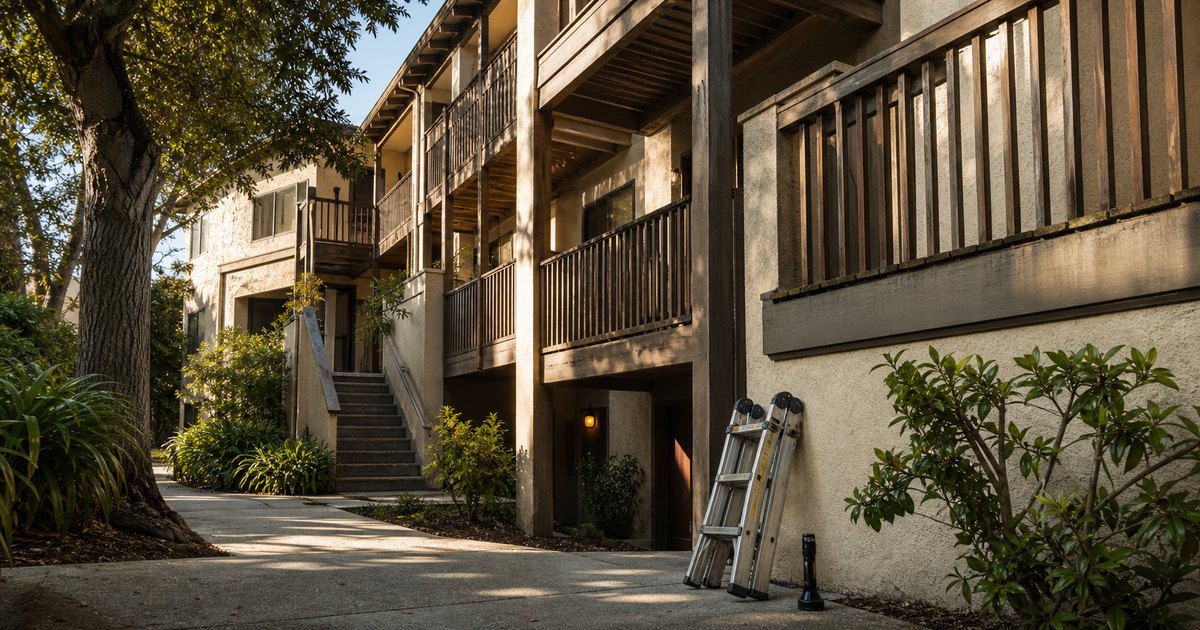
Short answer: California Health and Safety Code section 17973 generally covers wood-supported exterior elevated elements in buildings with three or more multifamily dwelling units. The initial statewide deadline was January 1, 2026, followed by six-year cycles. Condominium associations follow a separate Civil Code section 5551 regime with a January 1, 2025 first deadline and nine-year cycles. Both dates have passed. An owner or association without a completed required inspection should treat the matter as overdue and promptly coordinate with a qualified inspector and the local enforcement agency.
Immediate owner checklist
- Confirm the property’s address, unit count, ownership form, permit history, and certificate-of-occupancy date.
- Inventory balconies, decks, porches, stairs, walkways, entry structures, supports, railings, and waterproofing.
- Determine whether Health and Safety Code section 17973 or Civil Code section 5551 controls.
- Locate all prior reports, repair permits, warranties, photographs, and sale disclosures.
- Verify the inspector’s current license and statutory qualifications.
- Ask the local building department whether it requires filing, a particular form, fees, or added inspection scope.
- Restrict access immediately if an inspector or observed condition identifies an immediate threat.
- Calendar every report, permit, repair, reinspection, record-retention, and next-cycle date.
- Coordinate tenant notice, lawful entry, accessibility, and possible temporary relocation.
- Preserve the final report and repair closure documents with the permanent property file.
Do not wait for visible damage
Surface appearance does not establish the condition of concealed load-bearing components or waterproofing. Do not:
- Treat a general property inspection as automatically satisfying the statute.
- Hire a vendor before confirming that person fits the statutory inspector category.
- Paint over staining or seal an assembly before appropriate investigation.
- Let tenants use an element after a professional directs that access be prevented.
- Assume a condominium unit owner and the association have the same inspection duty.
- Start structural repairs without checking permits, plans, contractor licensing, and local requirements.
Which statewide inspection regime applies?
Section 17973 excludes common-interest developments; section 5551 separately addresses qualifying condominium associations.
| Issue | Multifamily buildings—H&S Code § 17973 | Condominium associations—Civil Code § 5551 |
|---|---|---|
| Basic building threshold | Three or more multifamily dwelling units | Three or more attached multifamily dwelling units in a condominium project |
| Responsible party | Building owner | Association for elements it has maintenance or repair responsibility for |
| Core covered elements | Qualifying exterior elevated elements and associated waterproofing | Qualifying load-bearing components and associated waterproofing systems |
| Height and structural features | Walking surface more than six feet above ground, human use, supported substantially by wood or wood-based products | Same core height, use, and wood-support concepts |
| Inspector | Listed architects, engineers, experienced A/B/C-5 contractors, or locally accepted certified building inspectors/officials | Licensed structural or civil engineer or architect |
| Sampling | At least 15 percent of each type | Random statistically significant sample with 95% confidence and no more than ±5% margin of error |
| First deadline | January 1, 2026 | January 1, 2025 |
| Recurrence | Every six years | Every nine years, coordinated with reserve study |
| Records | At least two inspection cycles; deliver to buyer on later sale | Two inspection cycles as association records; report incorporated into reserve study |
The statutory text, governing documents, local requirements, and building facts control.
The multifamily owner rule
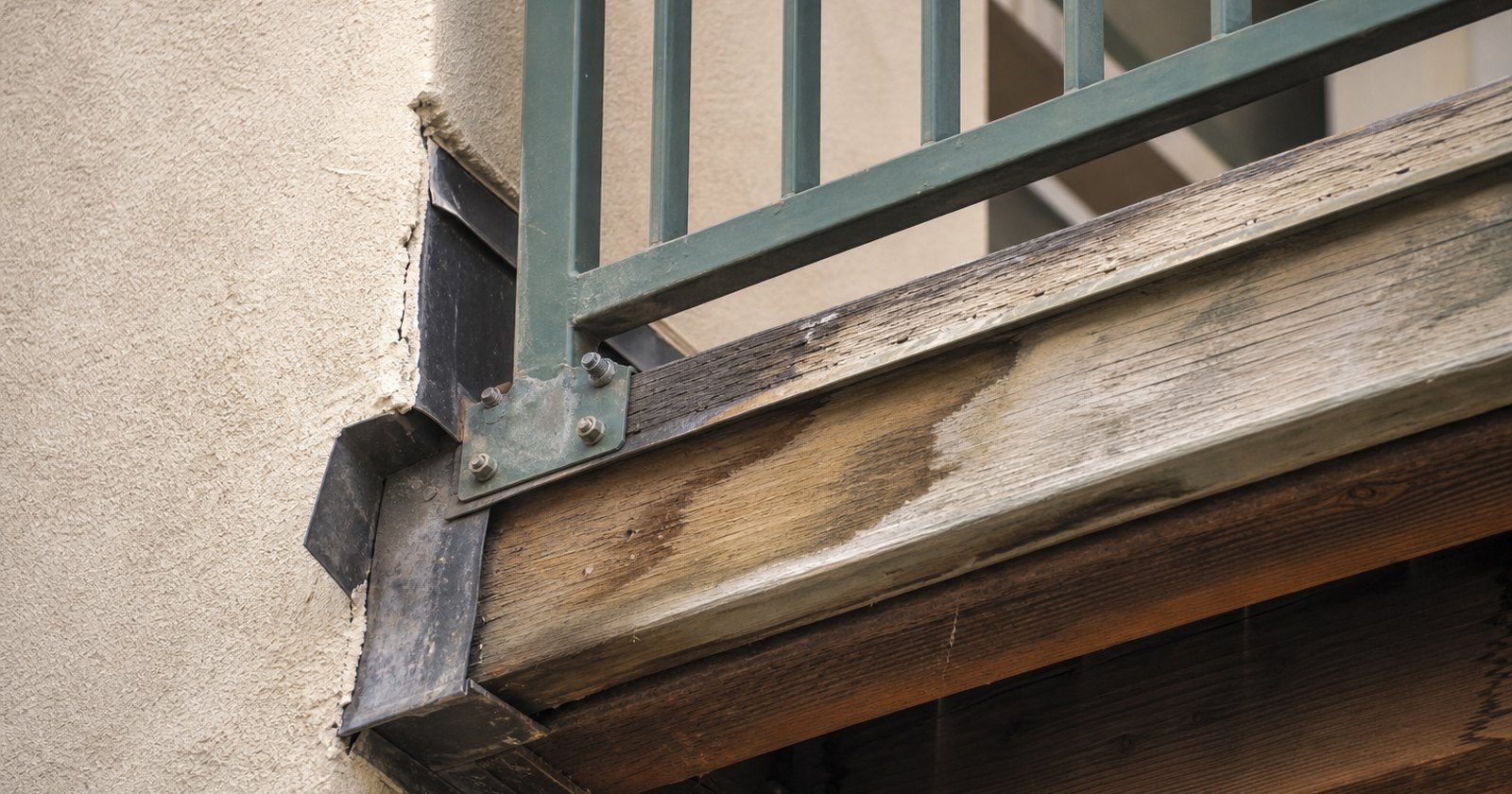
Health and Safety Code section 17973 defines a covered exterior elevated element to include balconies, decks, porches, stairways, walkways, and entry structures extending beyond exterior walls when the walking surface is more than six feet above ground, the element is designed for human use, and it relies wholly or substantially on wood or wood-based structural support. Associated waterproofing includes flashings, membranes, coatings, and sealants protecting load-bearing components.
The inspection must assess current condition, expected future performance and service life, and any need for further inspection. At least 15 percent of each type of covered element is sampled. The signed or stamped report is due to the owner or designated agent within 45 days after inspection completion and must include photographs, test results, and enough narrative to establish a baseline.
Inspector qualifications matter
The multifamily statute permits:
- A licensed architect.
- A licensed civil or structural engineer.
- An A, B, or C-5 contractor with at least five years of qualifying multistory wood-frame construction experience while holding the license.
- A certified building inspector or building official from a recognized association, as accepted by the local jurisdiction.
The inspector may not be employed by the local jurisdiction while performing the inspection and is hired by the owner. Verify license status through the Contractors State License Board or the relevant professional board and confirm the person’s actual statutory experience.
Newer buildings can have a different first date
For a building with a permit application submitted on or after January 1, 2019, the inspection is due no later than six years after the local jurisdiction issues a certificate of occupancy. Preserve the permit application and certificate because the date changes the calendar.
Immediate threats and nonemergency repairs
The report must identify immediate threats and whether access prevention, shoring, or emergency repair is necessary. A report with those findings goes to the owner and local agency within 15 days after completion.
If the inspector identifies an immediate threat, the owner must act immediately. Preventing access until emergency repairs are completed is an expressly recognized measure. Emergency work must satisfy permit, licensing, professional, building-code, and local requirements, then be inspected and reported.
For corrective work that the inspector finds is not an immediate threat, the statute generally requires a permit application within 120 days after the owner receives the report. Once the permit is approved, the owner generally has 120 days to complete repairs unless the local agency grants an extension.
If repair requirements remain uncompleted for 180 days, the inspector must notify the owner and local agency. Continued noncompliance after the statutory notice can lead to locally assessed civil penalties of $100 to $500 per day and a building-safety lien. Do not wait for that enforcement stage to request an extension or clarify scope.
The condominium-association rule
Civil Code section 5551 applies to qualifying condominium projects, not ordinary apartment ownership. The board must arrange inspection by a licensed structural or civil engineer or architect of a random, statistically significant sample of exterior elevated elements for which the association has maintenance or repair responsibility.
The report addresses condition, immediate threats, expected performance and remaining life, and repair recommendations. Effective January 1, 2026, the statute also specifies first-page project, sample, finding, and inspector-certification data. The signed or stamped report is incorporated into the association’s reserve study.
Immediate-threat findings require the inspector to provide the report to the association immediately and to local code enforcement within 15 days. The association must immediately take preventive measures, including preventing occupant access until repairs are inspected and approved.
A rental-unit owner in a condominium project should obtain the association’s current report, determine which elements the governing documents assign to the association or separate-interest owner, cooperate with access and tenant safety communications, and preserve the report for leasing and sale decisions. The association’s statutory duty does not make tenant communications optional.
Asbestos can affect the inspection schedule
Under section 17973, if the owner confirms asbestos-containing material during the inspection process and cannot complete the inspection as a result, the owner may have up to nine months for lawful abatement, followed by no more than three months to complete the inspection. The owner must retain records confirming the material and abatement for three years after inspection completion.
This is a narrow statutory timing provision, not permission for unqualified disturbance. Coordinate the inspector, asbestos professional, contractor, local agency, and environmental-condition workflow.
Tenant access, communication, and relocation
An inspection may require entry into units or destructive testing. Repairs may block a balcony, stair, or primary route. Build a tenant plan that addresses:
- Lawful entry notice and scheduling.
- Clear limits on access to affected elements.
- Alternative egress and accessibility.
- Dust, noise, water intrusion, and containment.
- Personal property near the work.
- Work hours and vendor identification.
- Whether the unit remains safe and functional.
- Temporary relocation or accommodation needs.
Use the landlord entry guide and habitability and relocation guide before improvising.
Records for operations and a later sale
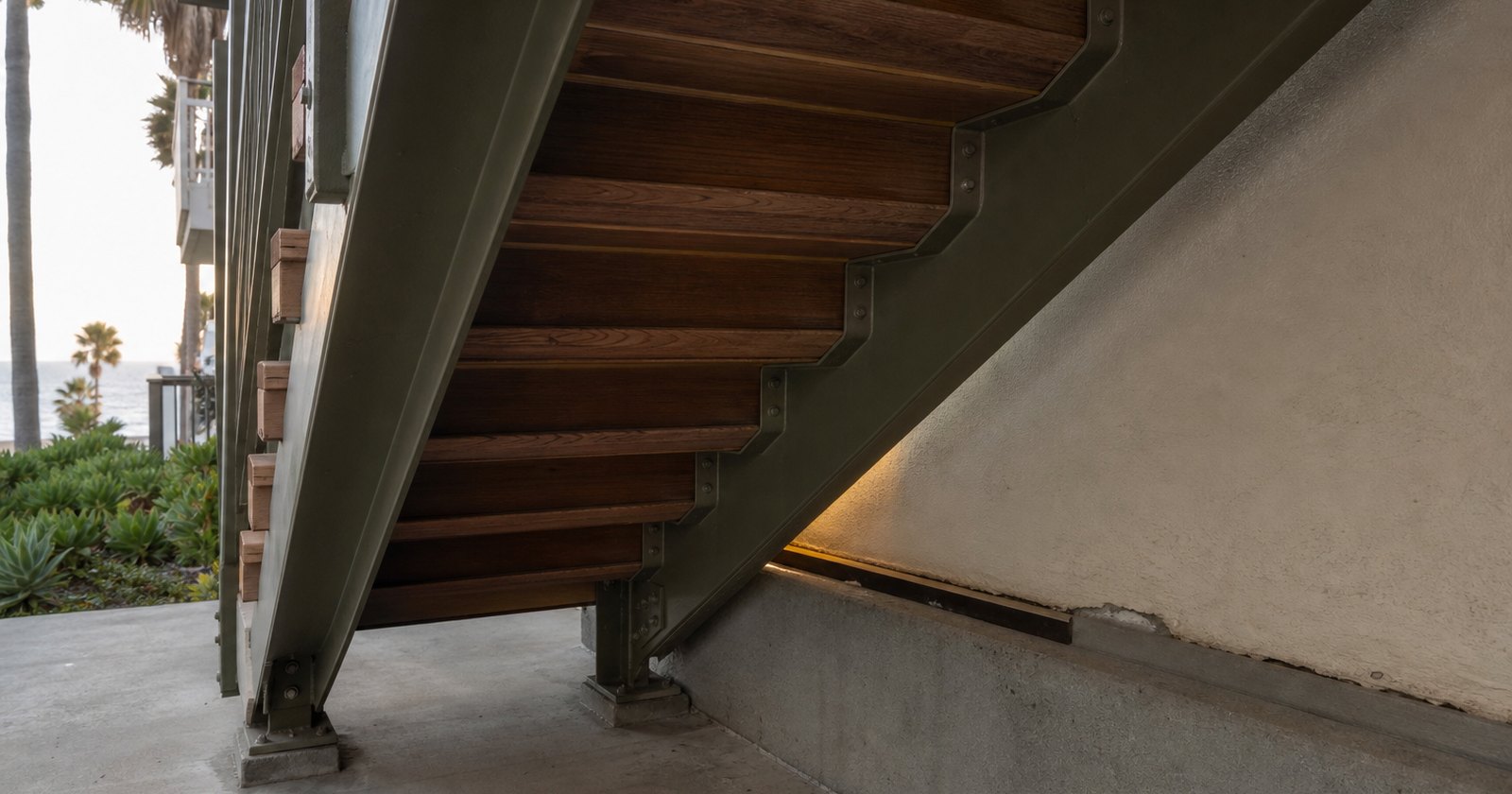
Section 17973 requires inspection reports to remain in the owner’s permanent records for at least two inspection cycles and to be disclosed and delivered to a buyer at a later sale. Subsequent reports incorporate prior reports and inspected locations. Keep one controlled file containing:
- Element inventory and sampling map.
- Inspector engagement and qualifications.
- Initial and final reports.
- Agency transmittals and correspondence.
- Access restrictions and tenant notices.
- Plans, permits, contracts, invoices, approvals, and closure.
- Next inspection date.
This file also supports purchase and sale and due diligence decisions.
A compliance workflow
1. Classify
Confirm apartment ownership, condominium association responsibility, or another property form. Identify the permit and certificate dates.
2. Inventory
Map each type of exterior elevated element, including elements not labeled “balconies.”
3. Engage
Verify the inspector’s category, license, experience, sampling method, scope, and delivery schedule.
4. Coordinate access
Send lawful tenant communications and prepare for inaccessible units, destructive testing, or immediate restrictions.
5. Triage the report
Separate immediate threats from planned corrective work. Confirm that required agency delivery occurred and calendar permit deadlines.
6. Repair and verify
Use qualified licensed contractors, permits, professional recommendations, current building standards, and local approvals. Obtain a final report when useful.
7. Retain and recur
Store the complete record, deliver it in a sale, and calendar the next cycle from the legally correct triggering date.
The Big 3 local overlay
Local agencies may impose greater requirements, ask for reports, control permits, and enforce access restrictions.
- Orange County and Laguna Beach: Confirm the incorporated city. Laguna Beach building and fire officials, coastal review, and hillside or wildfire conditions may affect permitting, staging, access, and repair design. Use the Orange County guide and Laguna Beach guide.
- Los Angeles County: Separate City of Los Angeles, unincorporated county, and other cities. LA building, housing, rent, and inspection programs can add filing, tenant-notice, habitability, and relocation consequences. Use the Los Angeles County guide and City of Los Angeles guide.
- San Diego County: Verify whether the City of San Diego or another municipality controls the permit and tenant-protection overlay. Use the San Diego County guide and City of San Diego guide.
Questions property owners often ask
Did California extend the apartment inspection deadline?
Yes. The initial Health and Safety Code section 17973 deadline was extended to January 1, 2026. That date has now passed. An owner that did not complete a required inspection should not treat the extension as continuing.
Is every balcony covered?
No. Coverage turns on the building, element, height, use, and structural support. A lower concrete patio may fall outside the statutory definition while another stair, walkway, or entry structure qualifies. Local codes and ordinary safety duties may still apply to an element outside section 17973.
Can my general contractor perform the inspection?
Only if the person fits a permitted category and all statutory experience requirements. For the multifamily statute, certain A, B, or C-5 contractors may qualify; the condominium statute requires a licensed structural or civil engineer or architect.
Must every element be opened?
The statutes use sampling and permit professional methods, but the inspector determines the necessary scope. Evidence of water intrusion or damage may require further or more intrusive inspection. The owner should not dictate a reduced method that defeats professional judgment.
What happens if the report identifies immediate danger?
Prevent access and take required preventive measures immediately. Confirm the inspector’s required report delivery to the local agency, obtain emergency and repair direction, communicate with residents, and complete permitted work and reinspection.
What if the only stairway or entry must be closed?
That can affect egress, accessibility, and habitability. Coordinate the inspector and local agency immediately, determine whether an alternative route is lawful and safe, and assess temporary relocation rather than leaving tenants to improvise.
Does an HOA inspection satisfy a rental owner’s responsibilities?
It addresses the association’s section 5551 duty for association-maintained elements. A unit owner still needs the report, must understand governing-document allocations, and should address tenant safety, access, disclosure, and leasing consequences.
Must the report be given to a buyer?
Section 17973 expressly requires the building owner to disclose and deliver retained inspection reports to a buyer on a later sale. Condominium reports are association records and section 5551 now also connects the report to association disclosure and reserve-study systems. Transaction counsel should confirm the exact delivery package.
Official sources
See the property-compliance hub.
- Health and Safety Code section 17973
- Civil Code section 5551
- California HCD Information Bulletin 2019-01, as agency guidance; the current statute controls
- California Building Standards Commission code editions
- Contractors State License Board license check
Put the inspection and repair record in order
Bring the address, ownership form, permit and occupancy dates, element inventory, reports, repair records, local correspondence, and tenant-access plan.
Request a Lease or Compliance Review
Laws and local procedures change. This page is general information, not legal advice.
Verify the current declaration, rate, fee, form, or agency instruction before acting.