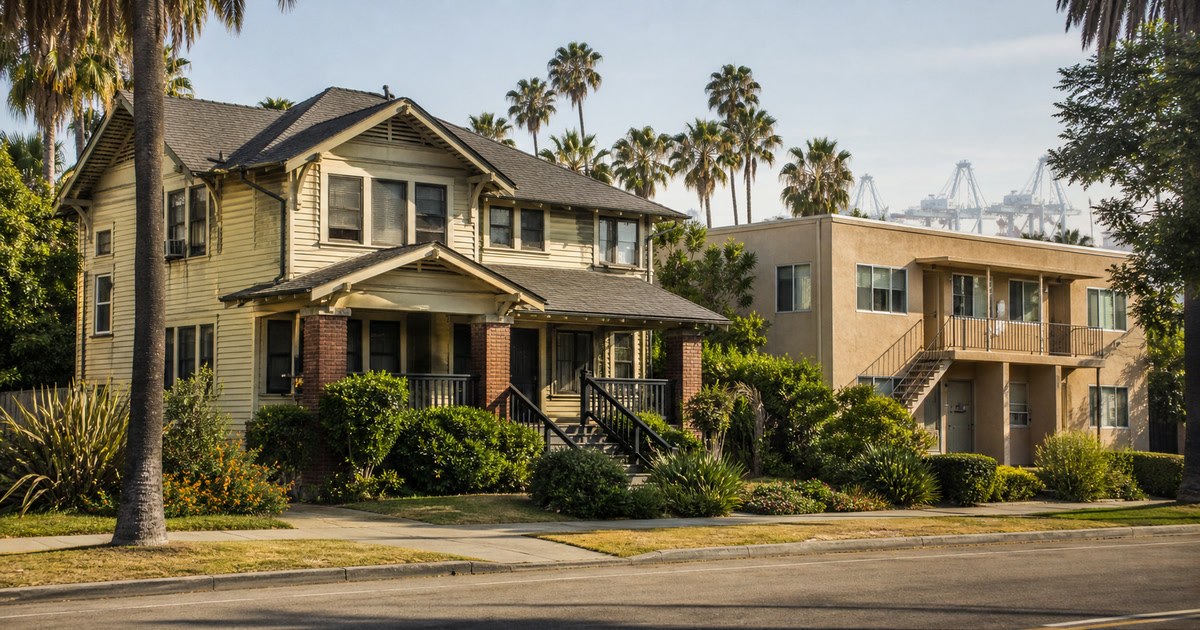
Owners must coordinate:
- Long Beach Municipal Code Chapter 8.99.
- California’s Tenant Protection Act.
- State notice and relocation law.
- City building permits and tenant-displacement disclosure.
- Proactive Rental Housing Inspection Program registration.
- Housing Authority rules for subsidized units.
- Habitability, fair housing, retaliation, and lease requirements.
A state-compliant form is not necessarily Long Beach compliant.
Long Beach just-cause protections generally begin after 12 months
The City’s current guidance states that Chapter 8.99 protects tenants who have continuously and lawfully occupied the unit for 12 months or more.
After that point, a covered owner must state a recognized at-fault or no-fault ground in the written termination notice.
Coverage and timing should be checked against the current ordinance, especially when:
- Occupants joined at different times.
- The lease was assigned or renewed.
- A buyer recently acquired the property.
- An ADU or unpermitted unit is involved.
- The owner claims a property or ownership exemption.
Important exemptions require documentation
The City’s public guide identifies exemptions that can include:
- A home in which the tenant shares a kitchen or bathroom with the owner.
- Certain owner-occupied single-family residences with limited room or unit rental.
- An owner-occupied duplex when the owner lived there from the tenancy’s start and continues to do so.
- Housing constructed within the prior 15 years.
- Certain separately alienable single-family homes and condominiums owned by qualifying natural persons.
- Deed-restricted affordable housing.
- Specified hotels, hospitals, senior facilities, religious facilities, and dormitories.
An exemption may require more than property type. Verify:
- Title and entity ownership.
- Certificate of occupancy.
- Unit configuration.
- Owner occupancy throughout the relevant period.
- Required statutory exemption notice.
- Deed or regulatory restrictions.
- California coverage.
At-fault grounds
Current City guidance lists grounds that can include:
- Nonpayment.
- Material breach of the rental agreement.
- Nuisance or waste.
- Criminal activity.
- Unauthorized subletting.
- Refusal to renew a similar lease.
- Refusal of reasonable access.
- Unlawful use.
- Failure to vacate after termination of a qualifying employment or license relationship.
- Failure to leave after the tenant gives written notice.
Before serving notice, review:
- Lease and addenda.
- Ledger and payment allocation.
- Evidence and witnesses.
- Cure requirements.
- Waiver and prior acceptance.
- Habitability and repair history.
- Retaliation.
- Fair-housing accommodation.
- State and local wording.
- Service and filing procedure.
A broad accusation does not establish just cause.
No-fault grounds
Long Beach identifies:
- Owner or immediate-family occupancy.
- Permanent withdrawal from the rental market.
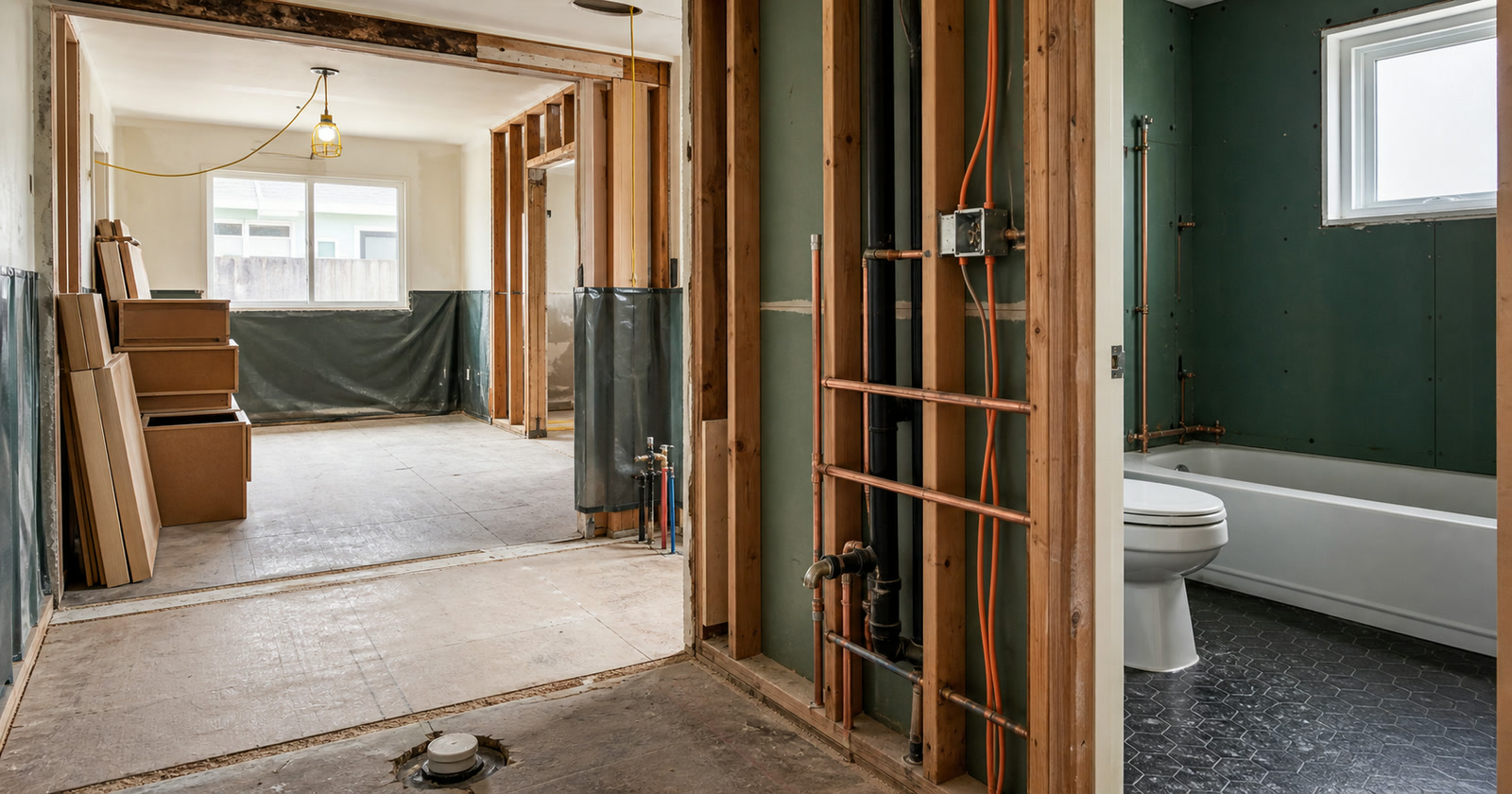
- Demolition or substantial remodel.
- Compliance with a government order to vacate.
No-fault termination can require relocation, additional notice language, supporting documents, and post-vacancy follow-through.
Current relocation assistance depends on the no-fault ground
The City’s current owner guidance states:
- For demolition or substantial remodel, relocation is the greater of $4,500 or two months of the tenant’s rent.
- For other covered no-fault grounds, relocation is one month’s rent, which may be paid or handled through a qualifying final-month waiver.
- Relocation must be provided within 15 calendar days after the written termination notice.
These are date-sensitive legal amounts and procedures. Verify the current ordinance, tenant coverage, effective date, rent, payment method, notice, and any state overlay before service.
Noncompliance can void the notice.
Long Beach substantial remodel is a defined project
The City defines substantial remodel as qualifying work that:
- Replaces or substantially modifies a structural, electrical, plumbing, or mechanical system and requires a government permit; or
- Abates qualifying hazardous materials under applicable law;
- Cannot reasonably be completed safely with the tenant in place; and
- Requires vacancy for at least 30 days.
Cosmetic improvements, decoration, painting, minor repairs, and work that can be performed safely with the tenant in possession do not qualify.
A tenant need not vacate on days when lawful occupancy can continue without violating health, safety, and habitability rules.
Remodel and demolition process
The City’s current owner instructions establish a permit-first workflow:
- Disclose intended tenant displacement when applying for permits.
- Complete the City’s tenant-displacement form.
- Obtain the required approved permits.
- Prepare a detailed termination notice.
- Attach the permits.
- Describe the work and estimated duration or demolition schedule.
- Include the current statutory re-rental and enforcement language.
- Tell the tenant how to express interest in returning.
- Provide the required notice period and relocation.
- Commence and complete the stated project.
- Offer the unit back when the ordinance requires it.
The City does not issue a blanket approval of a termination merely because it accepts a permit application. It may give a nonbinding view that a scope does not qualify.
The project record
Preserve:
- Plans and specifications.
- Approved permits.
- Contractor agreement and schedule.
- Hazard reports.
- Analysis of safe occupancy.
- City displacement form.
- Tenant notice and attachments.
- Service proof.
- Relocation proof.
- Tenant return-interest notice.
- Progress photographs and inspections.
- Completion evidence.
- Re-rental offer and response, if required.
Intentional violation in a remodel or demolition matter can create significant civil exposure, including a City-described civil penalty and attorney-fee risk.
Owner occupancy after SB 567
Long Beach’s 2024 materials reflect statewide owner-occupancy changes.
Review:
- Whether the lease permits the ground when required.
- Owner or qualifying-family relationship.
- Available comparable units.
- Good-faith primary-residence intent.
- Move-in within the statutory period.
- Minimum continuous occupancy.
- Notice content.
- Relocation.
- Offer-back and damages if the plan is not completed.
Document the actual plan before service.
Rent increases are governed primarily by state law
Long Beach currently has no general local rent-control ceiling. A covered unit can still be subject to Civil Code section 1947.12.
The current California cap changes each August 1 by region. The Housing Authority’s current page states an 8.8 percent cap for Long Beach-area covered units effective August 1, 2026, based on its published CPI calculation.
Before using that figure, verify:
- Whether the property is covered.
- The official current CPI and statutory cap.
- The 12-month lookback.
- All prior rent increases.
- Base rent and mandatory charges.
- Notice period.
- Subsidy approval and rent reasonableness.
- Emergency price-gouging limits.
The lower applicable restriction controls.
PRHIP registration and inspection
Long Beach operates the Proactive Rental Housing Inspection Program, or PRHIP.
The current City registration form states that:
- The owner or designated local contact must keep a residential or business address and telephone number on file.
- Registration is valid for one year.
- Renewal and fee are due annually under the current cycle.
- Changes must be reported.
The City is authorized to conduct periodic inspections under Long Beach Municipal Code section 18.30.120.
Maintain:
- Current owner and local-agent registration.
- Unit count and property description.
- Renewal and fee proof.
- Inspection notices.
- Tenant entry notices.
- Repair requests and responses.
- Permits, invoices, and sign-offs.
- Code correspondence and appeals.
Do not rely on the 2023 form’s dates without checking the current renewal notice.
Subsidized housing
Housing Choice Voucher property has additional layers:
- Housing Authority approval.
- Rent reasonableness.
- Housing-quality inspections.
- Contract and tenancy-addendum terms.
- Notice to the agency.
- Source-of-income law.
- Local and state just cause.
The Housing Authority states that it applies the California rent cap to subsidized units it administers. Verify the current agency position and approval before noticing an increase.
Short-term rentals
Long Beach separately regulates short-term rentals through registration, inspection, ownership or owner authorization, building eligibility, unit limits, code compliance, and a prohibited-buildings list.
ADUs, JADUs, live-work units, and properties with open citations can be restricted. An apartment owner or homeowners association may place a building on the prohibited list.
Do not convert a long-term unit or authorize a tenant-host without reviewing:
- City registration.
- Zoning and unit eligibility.
- Owner consent.
- HOA or building rules.
- Rent and just-cause consequences.
- Insurance and lender terms.
- Tax and operational requirements.
Acquisition diligence
A Long Beach buyer should request:
- Leases and tenant roster.
- Rent and deposit history.
- AB 1482 notices and exemptions.
- Chapter 8.99 coverage analysis.
- Termination and relocation records.
- Remodel, demolition, and displacement forms.
- Permits and project status.
- PRHIP registration and inspections.
- Code cases and citations.
- Housing Authority records.
- STR registration or prohibited-building status.
Review the buyer’s occupancy, remodel, rent, or sale plan before closing.
Common Long Beach owner mistakes
Assuming no local rent control means no local tenant law
Chapter 8.99 adds local just-cause, notice, relocation, and remodel rules.
Using the state one-month relocation amount for a substantial remodel
Long Beach currently requires the greater of $4,500 or two months’ rent for covered remodel or demolition terminations.
Serving notice before permits
The City’s substantial-remodel process requires approved permits and specified notice attachments.
Calling cosmetic work a substantial remodel
Painting, decoration, minor repair, and safely occupiable work do not qualify by themselves.
Failing to offer the unit back
The ordinance can require an offer to re-rent on prior terms when the stated project is not commenced or completed.
How Law Laguna can help you move forward
Depending on scope, Law Laguna can:
- Assess Long Beach and California coverage.
- Review rent-cap and notice compliance.
- Analyze an at-fault or no-fault ground.
- Review permits, scope, notice, relocation, and return rights for remodel or demolition.
- Review owner-occupancy planning.
- Audit PRHIP, inspection, and code records.
- Review a subsidized tenancy or property transaction.
- Prepare or review pre-litigation documents and communications.
- Organize a filed dispute for appropriate litigation counsel.
Related guidance
- Los Angeles County landlord law for property owners
- California Tenant Protection Act and AB 1482
- Pre-Litigation Eviction and Possession Assessment
Questions property owners often ask
Does Long Beach have rent control?
Long Beach does not currently impose a general local rent ceiling. California’s statewide cap may apply, and the City imposes separate just-cause and relocation rules.
When does Long Beach just cause apply?
The City states that it generally protects a tenant after 12 months of continuous lawful occupancy, subject to current exemptions.
What does a Long Beach substantial-remodel termination require?
Qualifying permitted work, an unsafe-to-occupy analysis, at least 30 days of required vacancy, City displacement disclosure, approved permits, detailed notice and attachments, relocation, and potential return rights.
How much relocation is due?
Current City guidance states the greater of $4,500 or two months’ rent for demolition or substantial remodel, and one month’s rent for other covered no-fault grounds. Verify the current ordinance before service.
Must Long Beach rental property register for inspection?
PRHIP requires covered property to maintain current owner or local-contact registration and permits periodic inspection. Verify the current annual form, fee, and deadline.
Does Law Laguna litigate Long Beach evictions?
The firm focuses on assessment, compliance, notices, documents, negotiation, and pre-litigation strategy. If a filed case is required, Law Laguna can organize the matter for appropriate litigation counsel. The written engagement controls scope.
Review the local layer before serving notice
Bring the address, title, unit and occupancy history, lease, tenancy dates, rent ledger, AB 1482 notice, evidence, permits, project scope, relocation analysis, PRHIP records, code file, proposed action, and timeline.