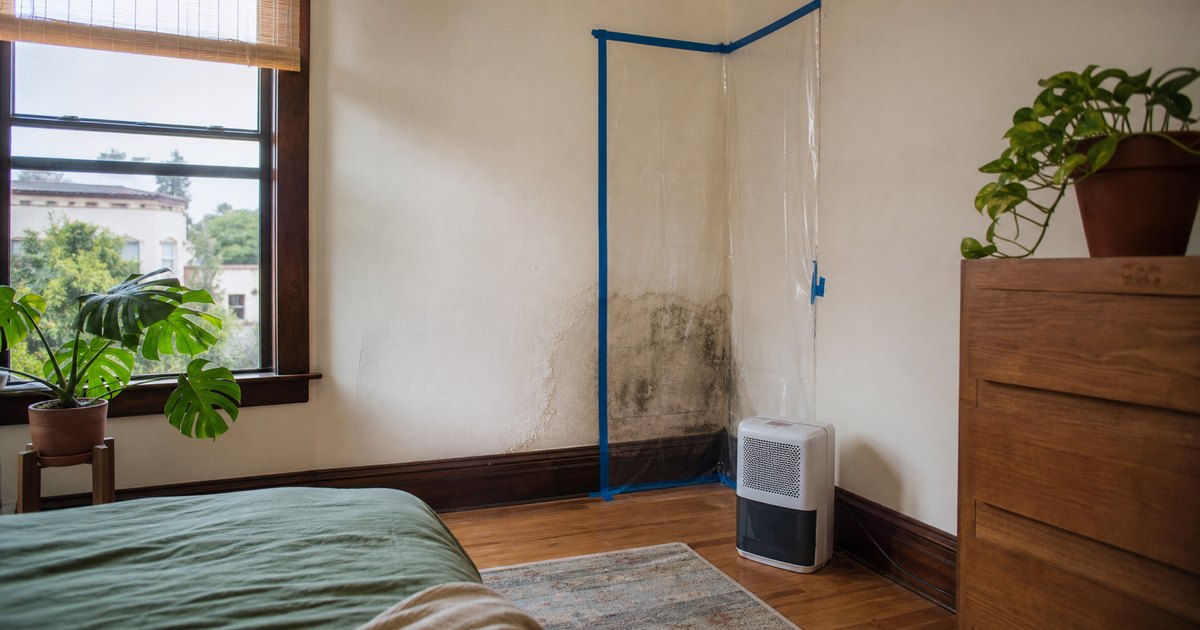
Short answer: An owner should not diagnose environmental conditions through email, rely on a generic waiver, or send an unqualified worker to disturb suspect material. Mold, lead-based paint, asbestos, pesticides, smoke residue, sewage, chemical contamination, and other hazards follow different rules. Property age, material, work, occupants, program, and agency all matter.
What to do first
- Preserve the report and evidence. Save the tenant’s exact words, photographs, dates, symptoms reported without adopting a medical conclusion, and prior history.
- Screen for immediate danger. Active sewage, flooding near electricity, fire residue, suspected gas, disturbed friable material, or a government exclusion order may require emergency services, restricted access, or immediate professional direction.
- Stop the source. Stabilize water intrusion, leaks, ventilation failures, combustion sources, pest activity, or other ongoing causes without destroying evidence.
- Define the technical question. Moisture investigation, mold assessment, lead testing, asbestos sampling, air monitoring, or industrial hygiene are different scopes.
- Select qualified people. Verify certifications, licenses, registrations, insurance, and the laboratory or clearance protocol.
- Control and communicate. Follow entry, containment, worker-safety, and exclusion rules; state what will be inspected, by whom, and when without promising a health conclusion.
- Close with evidence. Retain reports, chain of custody, photographs, permits, waste records, invoices, verification, and tenant notice.
What not to do
- Do not call every stain “toxic mold” or every dark material “asbestos.”
- Do not tell a tenant a condition is harmless without a reliable basis.
- Do not sand, drill, demolish, dry-scrape, or blow suspect material before screening the rules.
- Do not rely on bleach, paint, or a fragrance as proof that the source is corrected.
- Do not discard damaged materials before the insurer or professional documents them.
- Do not ask a maintenance employee to exceed the person’s training or legal scope.
- Do not publish a tenant’s medical information to vendors or other residents.
- Do not assume a disclosure form substitutes for remediation.
- Do not retaliate after a repair, health, or agency complaint.
The facts and documents that matter
Collect:
- Property construction year and renovation history.
- Lease, disclosures, addenda, and move-in condition record.
- Prior leaks, roof or plumbing work, and environmental reports.
- The tenant’s full report, access history, and affected rooms.
- Photographs, moisture data, samples, laboratory results, and professional opinions.
- Building plans, permits, and known materials.
- Vendor licenses, EPA certifications, Cal/OSHA registrations, and insurance.
- Work scope, containment, cleaning, disposal, clearance, and notices.
- Any child-occupied facility, subsidized-housing, disability, or pregnancy-related facts actually known.
- Local code, health-department, and air-district communications.
A report must be read for scope and limits. “No visible mold observed” is not testing every concealed cavity; a lead disclosure is not lead-free certification; and a project survey may not address the whole building.

A condition-by-condition decision map
| Reported condition | First technical question | Key legal layer |
|---|---|---|
| Moisture, odor, staining, or visible growth | What is the moisture source and extent of affected material? | Habitability, notice, lawful access, local housing code |
| Peeling or disturbed paint in pre-1978 housing | Will work disturb paint, and is lead status documented? | Federal disclosure and EPA RRP; state/local lead programs |
| Suspect insulation, texture, flooring, siding, or fireproofing | Is sampling needed before disturbance, and what work threshold applies? | Cal/OSHA, contractor licensing, air district, federal rules |
| Pesticide application | Who is applying, where, how, and what notice is required? | Civil Code sections 1940.8 and 1940.8.5; licensed-operator rules |
| Smoke, ash, sewage, chemical, or drug-lab contamination | Is the unit safe, which agency protocol controls, and is specialized clearance required? | Habitability, disaster law, health orders, local remediation rules |
The correct answer may require more than one professional. Legal counsel coordinates duties and communications; it does not replace an industrial hygienist, laboratory, physician, certified lead professional, asbestos consultant, remediation contractor, or public agency.
Mold: respond to moisture and notice
Health and Safety Code section 17920.3 identifies dampness, visible mold growth, and certain mold conditions as possible substandard conditions, while excluding minor surface mold caused by accumulated moisture. Civil Code section 1941.7 addresses the owner’s repair obligation for covered mold dilapidations after notice and confirms that entry for repair must comply with section 1954.
An effective response does not begin with a debate over the word “mold.” It begins with:
- Finding and stopping water or humidity sources.
- Determining the affected material and extent.
- Deciding whether occupants can safely remain.
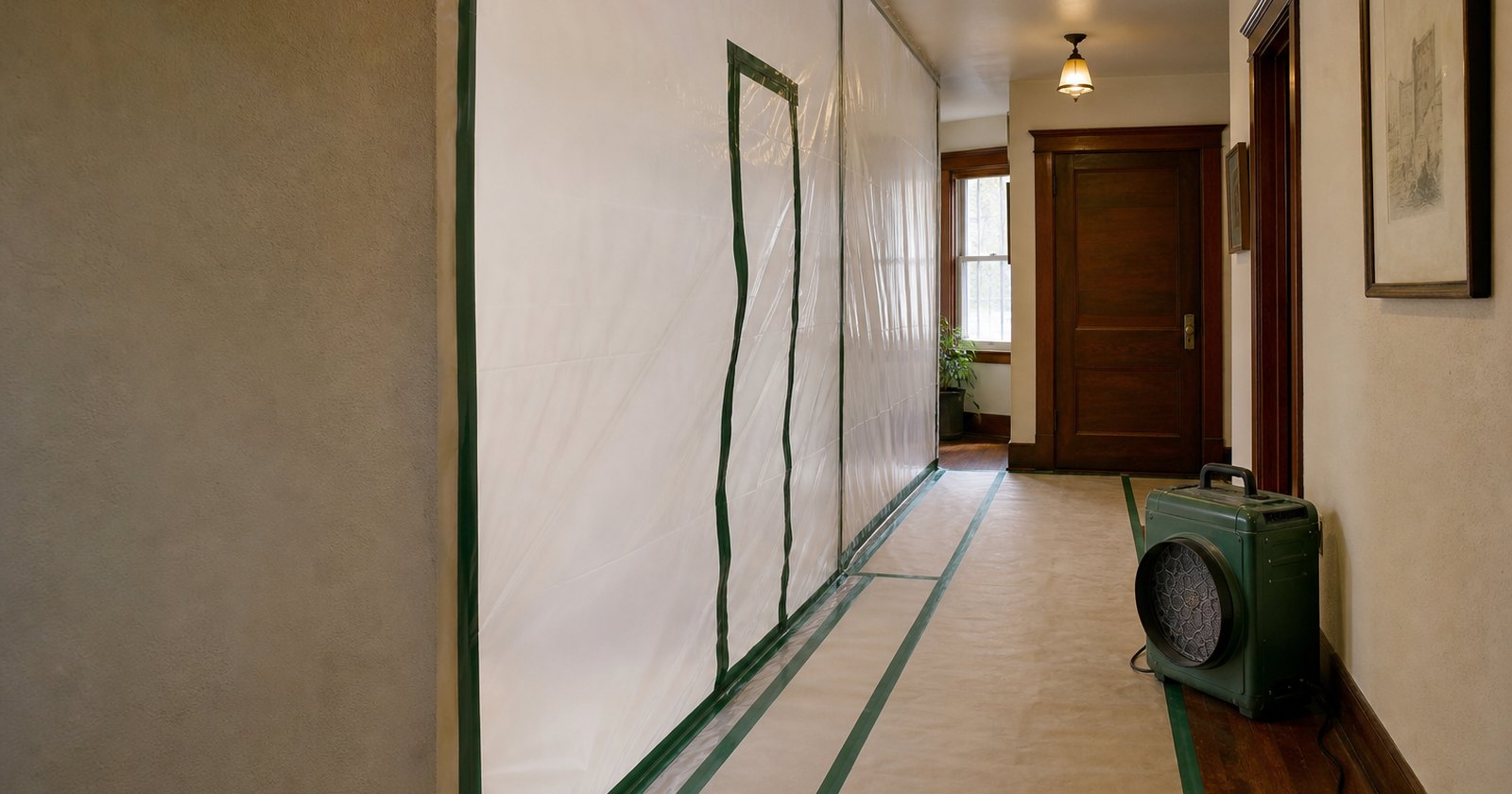
- Containing work and protecting unaffected areas.
- Removing or cleaning material under an appropriate protocol.
- Drying and repairing the assembly.
- Verifying that the source and work are complete.
California also has a conditional toxic-mold disclosure statute, Health and Safety Code section 26147, whose text says its specific requirements do not apply until the stated state standards and guidelines are adopted. Do not use an old secondary summary to declare that condition satisfied. Confirm current CDPH status and separately evaluate general disclosure, habitability, lease, code, and known-material-fact duties.
Lead: leasing disclosure and renovation are separate duties
The federal Lead-Based Paint Disclosure Rule applies to most housing built before 1978. Before a covered lease is signed, the lessor generally must disclose known lead-based paint and hazards, provide available reports and records, deliver the EPA pamphlet, and include the required warning and acknowledgments. Exemptions exist, so classify the unit and lease rather than omitting the process based on assumption.
A rental disclosure does not authorize unsafe renovation. EPA’s Renovation, Repair and Painting Rule generally affects paid work that disturbs paint in pre-1978 housing and child-occupied facilities. Covered firms—including rental owners or managers performing paid covered work—need firm certification, certified renovators, pre-renovation education, lead-safe practices, and records.
EPA identifies a limited minor-work exception for no more than six square feet of disturbed paint per room inside or 20 square feet on an exterior. Window replacement, demolition of painted surfaces, and prohibited practices do not enter that exception merely because the area is small. Unless reliable documentation establishes that affected paint is not lead-based, do not assume ordinary maintenance is outside the rule.
Federal assistance, local lead programs, an abatement order, or work designed to eliminate lead hazards can trigger requirements beyond ordinary RRP.
Asbestos: screen before disturbance
Asbestos rules focus heavily on worker exposure, material disturbance, project scope, notification, air quality, and who may perform or supervise the work. Building age and product appearance alone do not prove the answer.
California’s Asbestos Contractors’ Registration Unit states that registration applies when asbestos-related work involves 100 square feet or more of asbestos-containing construction material with more than 0.1 percent asbestos. Separate certification, contractor-licensing, Cal/OSHA, federal, local air-district, and waste rules may apply at other thresholds or for other activities.
Before demolition, drilling, flooring removal, ceiling work, pipe work, or wall opening:
- Review available surveys and the exact work area.
- Ask an appropriately qualified professional whether sampling is required.
- Define who will disturb, abate, monitor, and clear the material.
- Check Cal/OSHA registration and notification, CSLB licensing or certification, local air-district, EPA, permit, and disposal rules.
- Address tenant exclusion, personal property, access, and relocation.
The Cal/OSHA asbestos portal is a starting point, not project-specific professional direction.
Pesticides and other toxic conditions
If an owner or manager applies pesticide without a licensed pest-control operator, Civil Code section 1940.8.5 requires specified notices depending on whether the application is in a unit, could affect adjacent units, occurs in a common area, or follows a routine schedule. For in-unit application, the statute generally requires written notice at least 24 hours in advance, with defined tenant-agreement and immediate-threat exceptions. Licensed operators have separate notice duties.
Other post-disaster and toxic-condition workflows may involve methamphetamine contamination orders, sewage, smoke residue, ash, mercury, fuel, or chemical release. Do not force those conditions into a mold protocol. Identify the responsible agency and applicable clearance standard.
Occupancy, relocation, and fair housing
Environmental work can require exclusion from one room, a work zone, or the entire unit. The decision should come from the actual scope, professional controls, utilities, safe egress, agency orders, and the tenant’s known needs.
Not every complaint requires a hotel. A lease clause or negative screening result also does not justify keeping residents in a zone the remediation professional excludes. Use the habitability and relocation guide to define payment, tenancy status, access, belongings, and return.
If a tenant raises a disability-related need, handle it through an individualized fair-housing accommodation process without demanding irrelevant medical details.
A defensible environmental-response workflow
1. Intake and stabilize
Preserve the report, stop active damage, restrict unsafe access, and notify emergency services or insurance as appropriate.
2. Scope the assessment
Give the professional a neutral history and the precise question. Do not ask for a predetermined conclusion.
3. Plan access and communication
Coordinate entry, affected units, adjacent residents, personal property, language access, and interim precautions.
4. Build a lawful work scope
Confirm certifications, containment, worker protection, agency notice, permits, waste handling, cleaning, and clearance.
5. Decide occupancy and payment
Apply professional directions, code orders, lease terms, local relocation rules, fair housing, and insurance without conflating them.
6. Verify and disclose
Obtain completion evidence and make legally required disclosures. Do not give future tenants an obsolete report without describing later remediation or new information.
7. Retain and prevent recurrence
Preserve the complete file and correct roof, drainage, ventilation, plumbing, pest, or maintenance causes.
The Big 3 local overlay
- Orange County and Laguna Beach: Confirm city boundaries, building and code-enforcement authority, the applicable air-quality district, coastal or wildfire conditions, and county environmental-health roles. Use the Orange County guide and Laguna Beach guide.
- Los Angeles County: Distinguish City of Los Angeles, unincorporated county, and another city. LAHD or county housing programs, the local building agency, public health, and the South Coast air district may create overlapping instructions. Use the Los Angeles County guide and City of Los Angeles guide.
- San Diego County: Confirm municipal code enforcement, county environmental health, air-district, and City of San Diego tenant-protection rules. Use the San Diego County guide and City of San Diego guide.
Common mistakes
- Testing without first defining how the result will change the work.
- Using a remediation vendor as the only person defining whether its own work succeeded.
- Failing to investigate the source of recurring moisture.
- Disturbing pre-1978 paint or suspect asbestos before screening.
- Sending incomplete prior reports to a new professional.
- Making broad health statements to tenants.
- Ignoring adjacent units and common assemblies.
- Losing chain-of-custody, photographs, or disposal records.
- Assuming an insurer’s coverage decision establishes habitability.
- Reletting before required repair, disclosure, and clearance are complete.
Questions property owners often ask
Must a California landlord test every mold complaint?
No single rule requires the same test for every report. The owner must respond appropriately to notice and the actual condition. Source investigation, moisture measurements, visual assessment, sampling, or an industrial-hygiene protocol may be appropriate in different cases.
Can the owner simply clean visible mold?
Cleaning appearance without correcting the water or humidity source is incomplete. The affected material, extent, containment, drying, repair, and verification should be addressed.
Does a pre-1978 building automatically contain lead paint?
Not necessarily, but the age triggers federal disclosure and renovation screening. Unless qualified documentation establishes that affected paint is lead-free, covered renovation work should be treated under the RRP framework.
May an ordinary handyman remove asbestos-containing material?
Do not decide that from project size alone. Material status, affected area, worker-safety rules, Cal/OSHA registration, consultant and contractor qualifications, air-district notice, and licensing can all matter.
Does an asbestos lease addendum eliminate owner responsibility?
No. An addendum may provide disclosures and operating rules, but it does not authorize unsafe disturbance or waive regulatory, habitability, worker-safety, or disclosure duties.
When must adjacent tenants receive pesticide notice?
Section 1940.8.5 can require notice to adjacent units when an owner or agent uses certain broadcast, fogger, or aerosol applications without a licensed operator and those units could reasonably be affected. The method, timing, and exceptions should be checked in the current statute.
Can an owner charge the tenant for remediation?
Potential recovery depends on causation, lease terms, statutory duties, evidence, and local rules. Address safety first and make a supportable allocation only after qualified investigation.
Official sources
See the property-compliance hub.
Review the environmental response before the record hardens
Bring the lease, disclosures, property age, tenant report, photographs, prior history, professional reports, work proposal, vendor qualifications, insurance communications, and address.
Review the Tenant File and Next Step
Law Laguna can assess the tenancy, documents, local requirements, available options, and pre-litigation strategy. If a filed court action becomes necessary, the firm can help prepare an organized transition to appropriate litigation counsel.
Laws and local procedures change. This page is general information, not legal advice.
Verify the current declaration, rate, fee, form, or agency instruction before acting.