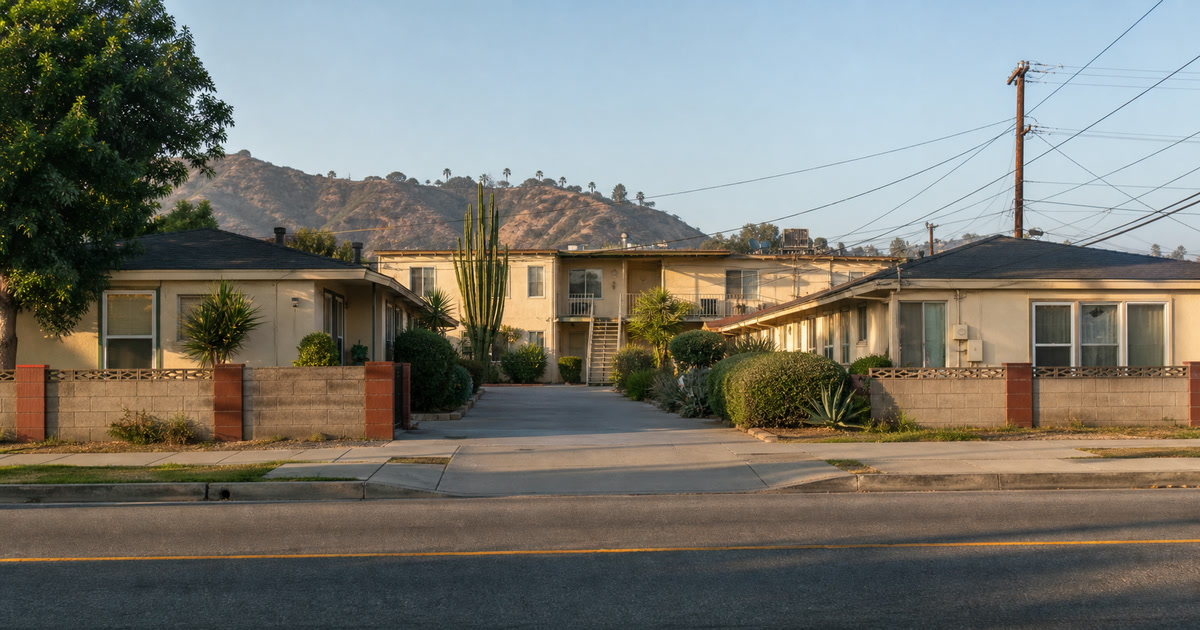
It applies in unincorporated Los Angeles County. Within that territory, some units are fully covered by rent stabilization and eviction protections, while other units receive eviction protections without the local rent cap. Registration, notice, rent, relocation, posting, and filing duties depend on the unit’s category and the proposed action.
Law Laguna helps owners verify jurisdiction and coverage, reconstruct the compliance file, plan rent and tenancy decisions, and prepare matters for negotiation or an organized litigation handoff.
First confirm that the property is unincorporated
A postal address may name:
- Los Angeles.
- East Los Angeles.
- Altadena.
- Florence-Graham.
- Marina del Rey.
- Another community.
The mailing city does not establish municipal jurisdiction.
Confirm:
- Assessor parcel.
- Incorporated or unincorporated status.
- Supervisorial district.
- Certificate-of-occupancy history.
- Unit count and configuration.
If the property lies within an incorporated city, that city’s law—not the County RSTPO—may control the local layer.
The short answer
Before increasing rent, changing services, serving a termination notice, or closing on a rental property:
- Verify unincorporated jurisdiction.
- Classify each unit as fully covered, partially covered, exempt, or subject to another program.
- Confirm current Rent Registry status and fees.
- Reconstruct lawful rent and increase history.
- Identify state and County just-cause rules.
- Use current County forms, disclosures, postings, and filings.
- Calculate relocation and other amounts on the action date.
- Preserve proof of service and portal submission.
Some units have both County rent caps and eviction protections; others have eviction protections only
The County’s current Rent Registry guidance describes:
Fully covered units
The County currently identifies fully covered units as generally:
- Located in unincorporated Los Angeles County.
- On a property with two or more residential units.
- Having a certificate of occupancy or equivalent issued on or before February 1, 1995.
Subject to exemptions and specific definitions, fully covered units receive:
- Local rent-stabilization limits.
- Local just-cause protections.
Partially covered units
Many other rental units in unincorporated territory—including many single-family homes and condominiums—can receive local eviction protections even when not subject to the local rent cap, unless an exemption applies.
Exemptions
Potential exemptions can involve:
- Newer construction.
- Government-regulated affordable housing.
- Certain owner-occupied configurations.
- Nonrental units.
- Other statutory or ordinance categories.
An exemption under the rent-cap provisions does not automatically establish exemption from just cause, registration, state law, fair housing, or every County requirement.

Rent Registry
The Los Angeles County Rent Registry allows owners to:
- Register property and units.
- Update unit and tenancy information.
- Pay annual fees.
- Claim an exemption.
- Submit documents.
- Request adjustments and passthroughs.
The County states that the 2026–2027 registration cycle is open and that registration should be submitted by September 30, 2026 to avoid late fees. Confirm that deadline and the current fee schedule immediately before filing.
If a unit becomes a rental, the County currently instructs covered owners to register within 30 days after the tenancy begins.
Preserve:
- Property PIN.
- Registration confirmation.
- Unit status.
- Rent data.
- Claimed exemption.
- Self-certification.
- Fees.
- Upload receipts.
- DCBA correspondence.
Required tenant notice and posting
The County publishes a Notice of Tenant Rights for properties subject to Chapter 8.52.
Review current requirements for:
- Posting.
- Delivery at the start of tenancy.
- Language.
- Rent-increase disclosures.
- Small-property-landlord statements.
- Luxury-unit statements.
- Termination notice attachments.
Do not rely on a saved form from a prior year.
Current annual rent increase
DCBA’s current Rent Stabilization Program page lists the following maximum increases for fully covered rental units from July 1, 2026 through June 30, 2027:
- General fully covered unit: 1.919 percent.
- Eligible small-property landlord: 2.919 percent.
- Qualifying luxury unit: 3.919 percent.
Those figures are period-specific.
An owner should also verify:
- Registration and fee compliance.
- Lawful current rent.
- Prior increase date.
- Once-per-12-month rule.
- Lease restriction.
- Required state notice period.
- Required County disclosures.
- Small-property annual self-certification.
- Luxury-unit criteria.
- Reduced housing services.
- Pending petition or order.
- Emergency restrictions.
The County program and California Tenant Protection Act can overlap. Apply the most restrictive valid rule to the unit.
Small-property-landlord increase
The additional percentage is not automatic.
The County currently requires an eligible owner to:
- Satisfy the ordinance definition.
- Submit an annual self-certification to DCBA.
- Include the required disclosure with the rent-increase notice.
Confirm ownership, portfolio, entity, occupancy, and current form before relying on the additional allowance.
Luxury-unit increase
The County provides a separate additional allowance for a unit that meets the current luxury criteria.
Before using it:
- Verify the unit qualifies.
- Preserve the supporting calculation.
- Include the required notice disclosure.
- Confirm no order, reduced-service issue, registration defect, or other restriction prevents the increase.
Rent adjustment and fair return
An owner of a fully covered unit may be able to apply for an increase beyond the annual allowance through the County’s process.
Potential supporting material:
- Purchase and financing history.
- Property taxes.
- Insurance.
- Utilities.
- Payroll.
- Repairs.
- Capital work.
- Maintenance contracts.
- Registration.
- Rent roll.
- Base-period data.
- Related-party payments.
- Claimed passthroughs.
The owner bears the burden under the current process. Organize the accounting before filing.
Housing-service reductions
A rent amount can be lawful while a reduction in required housing services creates a separate issue.
Examples:
- Parking.
- Laundry.
- Storage.
- Utilities.
- Common areas.
- Security.
- Maintenance.
- Appliances.
Before changing a service:
- Review the lease.
- Identify the historical service.
- Check RSTPO treatment.
- Evaluate repair or temporary-relocation duties.
- Obtain any required approval.
- Communicate accurately.
Just cause
The RSTPO protects many fully and partially covered tenants from termination without a recognized reason.
At-fault grounds
Potential categories can include:
- Nonpayment.
- Material lease breach.
- Nuisance.
- Damage.
- Unlawful purpose.
- Failure to permit lawful entry.
- Unauthorized occupancy or assignment.
- Failure to vacate after an accepted termination.
The exact facts, required cure, notice, proof, County filing, and state-law interaction must be reviewed.
No-fault grounds
Potential categories can include:
- Qualified owner or family move-in.
- Withdrawal from rental use.
- Government order.
- Defined demolition or substantial remodel.
No-fault action can require:
- County form.
- Supporting declaration.
- Notice language.
- DCBA submission.
- Relocation payment.
- Timing.
- Restrictions on unit selection.
- Post-possession conduct.
Do not select a ground based only on a generic statewide notice.
Owner move-in
Before planning owner or qualifying-family occupancy:
- Verify the proposed occupant is eligible.
- Confirm no protected or disqualifying tenant facts control.
- Review comparable vacant units.
- Document good-faith intent.
- Use current County disclosure and proof-of-service forms.
- Calculate relocation.
- Calendar occupancy and continued-use obligations.
- Preserve the file.
The County’s COVID resolution has expired, but its public pages continue to host some permanent-form links. Confirm the current RSTPO code and current form—not the historic emergency rule.
Substantial remodel, demolition, and government order
Document:
- Permit scope.
- Nature of work.
- Required vacancy.
- Expected duration.
- Safety.
- Government requirement.
- Contractor schedule.
- Relocation.
- Tenant return or re-rental consequences.
Ordinary repair, cosmetic work, or owner preference does not automatically satisfy a no-fault ground.
Relocation assistance
Relocation amounts can vary by:
- Ground.
- Unit and rent.
- Household status.
- Income.
- Age.
- Disability.
- Length of tenancy.
- Filing date.
- Current County schedule.
Check the current County forms and relocation materials on the day the notice is prepared.
The file should include:
- Calculation.
- Household information relied upon.
- Payment or escrow evidence.
- Timing.
- Tenant communication.
- Proof of service.
- DCBA submission.
Nonpayment cases and the FMR threshold
In some covered nonpayment cases, the County uses a threshold tied to HUD Fair Market Rent (FMR). DCBA says a revised threshold took effect April 16, 2026; confirm the current amount, effective date, and coverage before serving a notice.
Before serving a nonpayment notice:
- Confirm whether the current County threshold applies.
- Obtain the current FMR figure and unit-bedroom category.
- Reconcile lawful rent.
- Separate nonrent charges.
- Review government-assistance status.
- Check emergency measures.
- Confirm the proposed notice date.
Because this rule is amount- and date-sensitive, the page should not function as a static calculator.
Buyouts and voluntary exits
A written agreement can resolve possession without a contested termination, but voluntariness and required disclosures matter.
Review:
- Applicable County rules.
- Language.
- Consideration.
- Payment timing.
- Move-out.
- Condition.
- Deposit.
- Release.
- Rescission rights.
- Tenant counsel.
- Local filing.
Do not combine a coercive threat with a supposedly voluntary agreement.
Cooling requirements on the compliance horizon
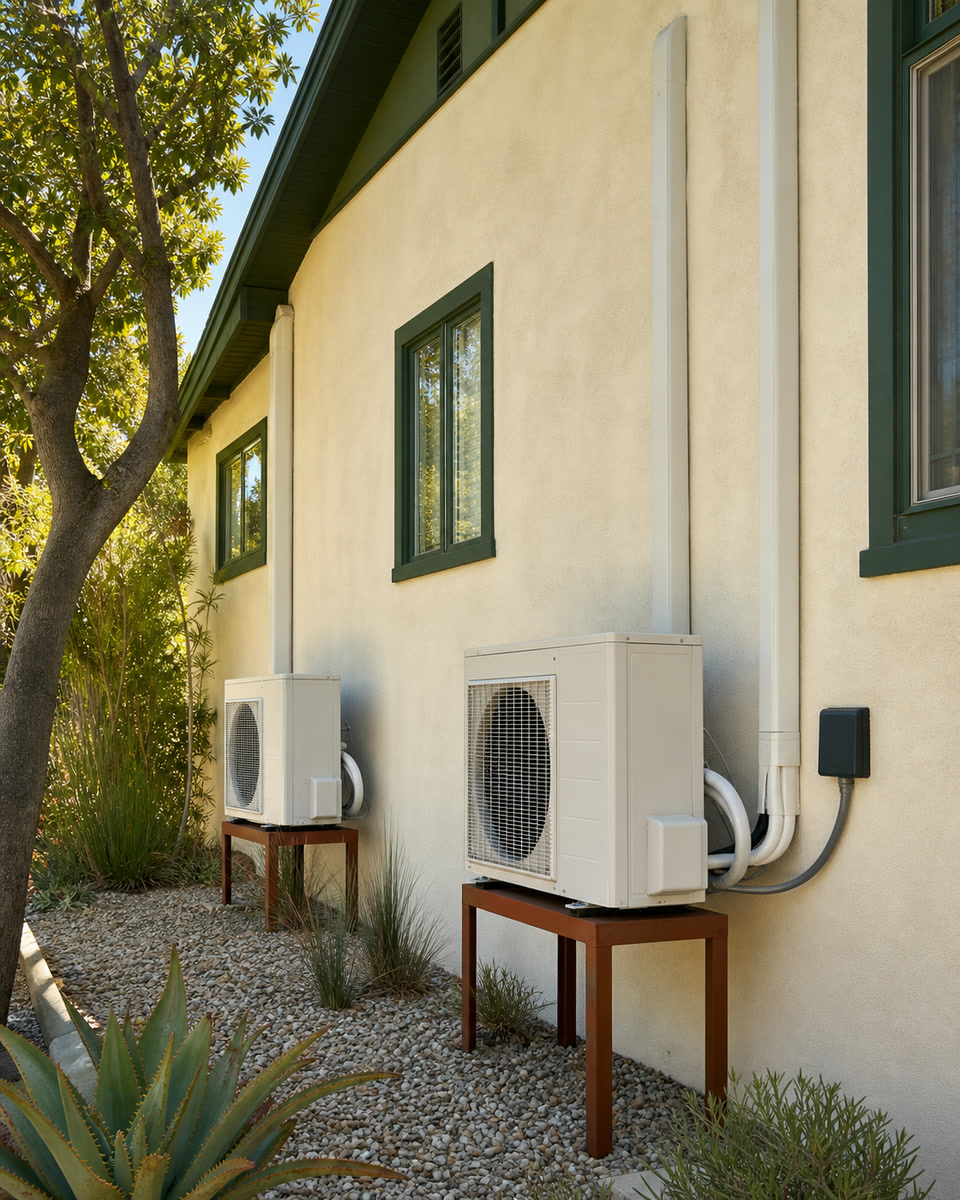
Los Angeles County has adopted cooling requirements for many rental units in unincorporated areas, with an enforcement date identified in the County code as January 1, 2027 and a defined extension process in specified circumstances.
For 2026 planning:
- Verify whether the unit is covered.
- Inspect electrical and physical capacity.
- Evaluate portable and permanent options.
- Budget.
- Preserve contractor and permit records.
- Review any extension criteria.
This developing obligation belongs on the annual compliance calendar.
Acquisition and sale diligence
Before buying:
- Verify jurisdiction.
- Confirm unit count and certificate dates.
- Export the Registry file.
- Review registration and fees.
- Reconstruct lawful rent.
- Review tenant notices and exemption claims.
- Check petitions, complaints, and orders.
- Reconcile deposits.
- Review repair, relocation, and termination history.
- Assess future rent and possession plan.
The purchase agreement should allocate missing or inaccurate RSTPO information.
Owner workflow
Annual
- Register.
- Pay fees.
- Update units and tenancy.
- Deliver or post current rights notices.
- Renew any small-owner self-certification.
- Review current annual increase.
- Audit services and repair file.
Before a rent increase
- Confirm full coverage.
- Verify registration.
- Reconstruct rent.
- Apply current percentage.
- Use the correct disclosure.
- Give state and County notice.
- Preserve service proof.
Before a termination
- Confirm local and state coverage.
- Select a recognized ground.
- Test evidence and cure.
- Use current forms.
- Calculate relocation.
- File with DCBA.
- Preserve submission and service.
How Law Laguna can help you move forward
Depending on scope, Law Laguna can:
- Verify jurisdiction and RSTPO coverage.
- Review Registry, exemption, and fee status.
- Reconstruct rent and increase history.
- Prepare a compliance audit.
- Review a rent increase or service change.
- Assess an at-fault or no-fault ground.
- Review notices, declarations, relocation, and DCBA filing.
- Negotiate a voluntary resolution.
- Conduct acquisition or disposition diligence.
- Organize an unlawful-detainer or administrative referral.
Law Laguna focuses on counseling, compliance, notices, negotiation, and pre-litigation preparation. If a filed court or administrative matter becomes necessary, the firm can help transition the organized file to appropriate counsel.
Related guidance
- Los Angeles County landlord law for property owners
- City of Los Angeles landlord law for property owners
- California rent control and just-cause compliance for property owners
Questions property owners often ask
Does the RSTPO apply throughout Los Angeles County?
No. It is the local system for unincorporated Los Angeles County. Incorporated cities can have their own rules.
Are single-family homes exempt?
Many are not subject to the County’s local rent cap, but can remain partially covered by just-cause protections unless an exemption applies. California law may also apply.
What is the current RSTPO rent increase?
For July 1, 2026 through June 30, 2027, DCBA lists 1.919 percent for general fully covered units, with separate higher figures for properly qualified small-owner and luxury categories. Verify on the notice date.
Must every rental property register?
The County requires registration for covered rental units and provides an exemption-request process. Confirm property and unit status rather than assuming.
Can an owner use a statewide no-fault notice?
Not safely without reviewing the RSTPO. County grounds, forms, filing, relocation, and post-termination rules can add requirements.
What is the FMR nonpayment rule?
It is a date- and amount-specific County protection tied to current Fair Market Rent data in defined cases. Obtain a current calculation before serving a notice.
Does registration affect the ability to raise rent?
Yes. The County ties local annual increases for fully covered units to registration, fee, and other compliance requirements.
Does Law Laguna file eviction cases?
The firm focuses on coverage analysis, compliance, notices, negotiation, and pre-litigation preparation. If a filed action is necessary, Law Laguna can help organize and transition the matter to appropriate litigation counsel.
Treat the County Registry, rent file, and notice file as one system
Bring the address and parcel, unit count, certificate information, Registry record, leases, rent ledger and increase history, rights notices, exemptions, tenant facts, proposed action, and any DCBA communication.
Review the County Property and Proposed Action
Confirm current rent percentages, registration cycles, fees, forms, FMR thresholds, relocation amounts, cooling implementation, emergency rules, and County procedures before relying on them.
Registration, rent-increase, and notice requirements must be checked for the actual property and the current County program.