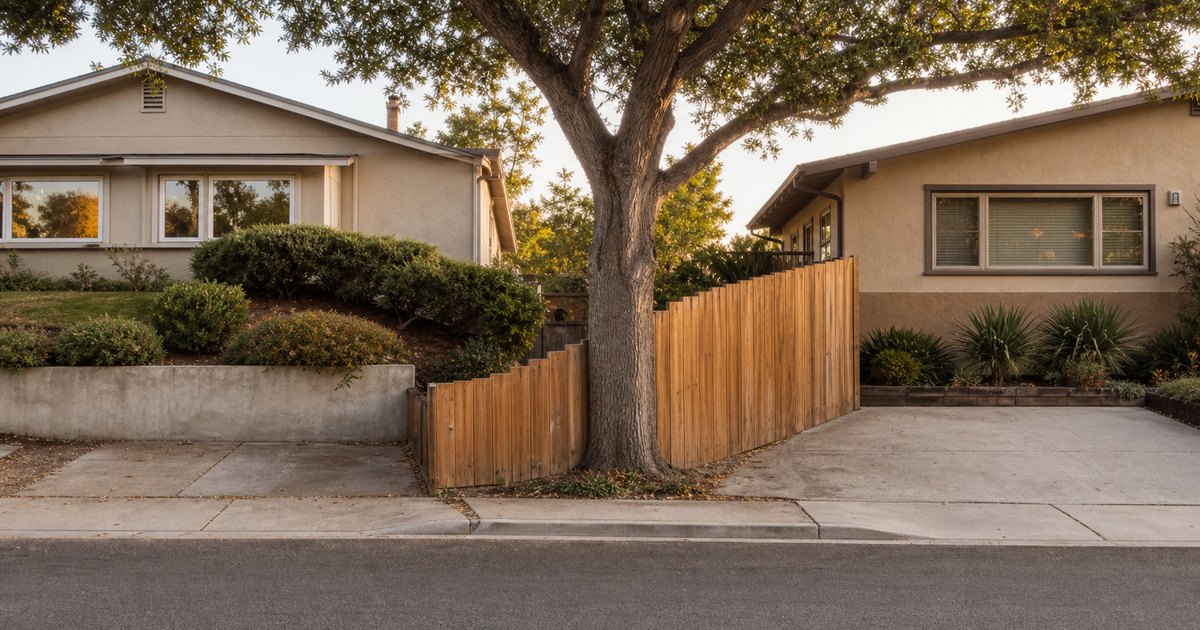
The first task is to determine what happened, which property right is involved, what evidence exists, and whether the problem can be solved without creating a more expensive one.
Law Laguna helps California property owners diagnose disputes, preserve the record, define practical objectives, communicate with the other side, negotiate a resolution, and prepare an organized handoff when litigation counsel becomes necessary.
Start with the outcome, not the accusation
An owner may want to:
- Restore access.
- Stop continuing damage.
- Confirm a boundary.
- Remove or modify an encroachment.
- Clarify maintenance responsibility.
- Protect a view or respond to a claimed view right.
- Address a dangerous tree.
- Reduce noise, smoke, water, odor, or light interference.
- Preserve a sale or development plan.
- Correct title.
- Create a durable agreement.
- Recover repair or use costs.
The desired outcome influences the evidence, urgency, communication, experts, remedy, and settlement structure.
Common dispute categories
Easement and access disputes
Questions may concern:
- Whether an easement exists.
- Who benefits.
- Which parcel is burdened.
- Its location.
- Permitted uses.
- Vehicle or pedestrian access.
- Gates and security.
- Parking.
- Utilities.
- Maintenance and repair.
- Overuse.
- Relocation.
- Abandonment or termination.
Explore easement, boundary, and access disputes
Boundary and encroachment disputes
Typical facts include:
- Fence not aligned with the record line.
- Wall, driveway, patio, roof, or landscaping crossing a line.
- Inconsistent deeds or legal descriptions.
- Survey disagreement.
- Longstanding use.
- A proposed construction project.
- A title exception.
Do not move a fence or remove an improvement based only on an online parcel map.
Nuisance and trespass
Potential interference includes:
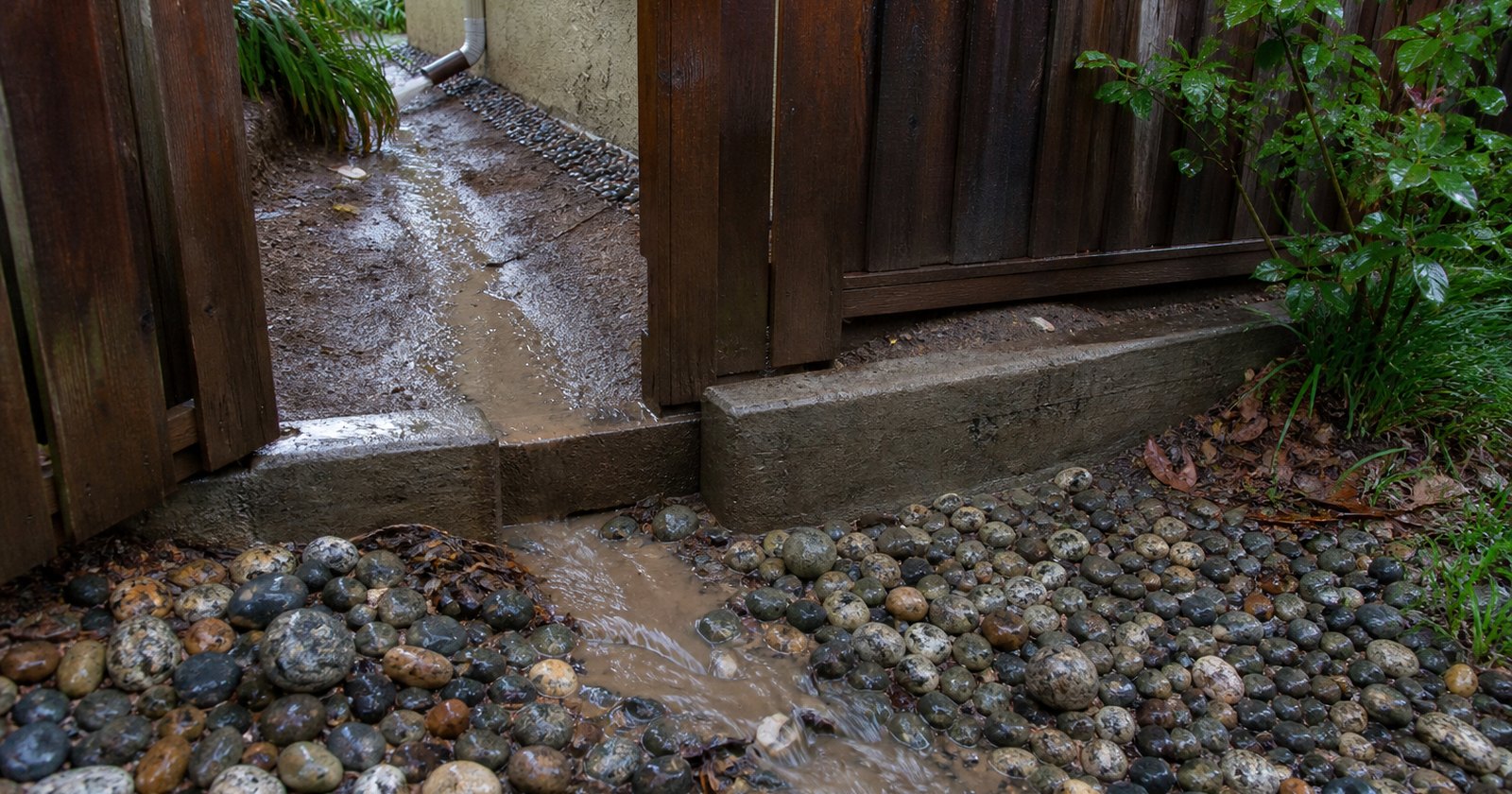
- Water intrusion or drainage.
- Noise.
- Odor.
- Smoke.
- Dust.
- Light.
- Vibration.
- Repeated entry.
- Debris.
- Animals.
- Construction activity.
- Commercial or short-term-rental use.
California Civil Code section 3479 supplies the statutory definition of nuisance, while the facts, reasonableness, duration, causation, locality, and available relief require a case-specific analysis.
Explore nuisance, trespass, trees, noise, and views
Trees, roots, branches, and views
A tree issue can involve:
- Ownership.
- Boundary location.
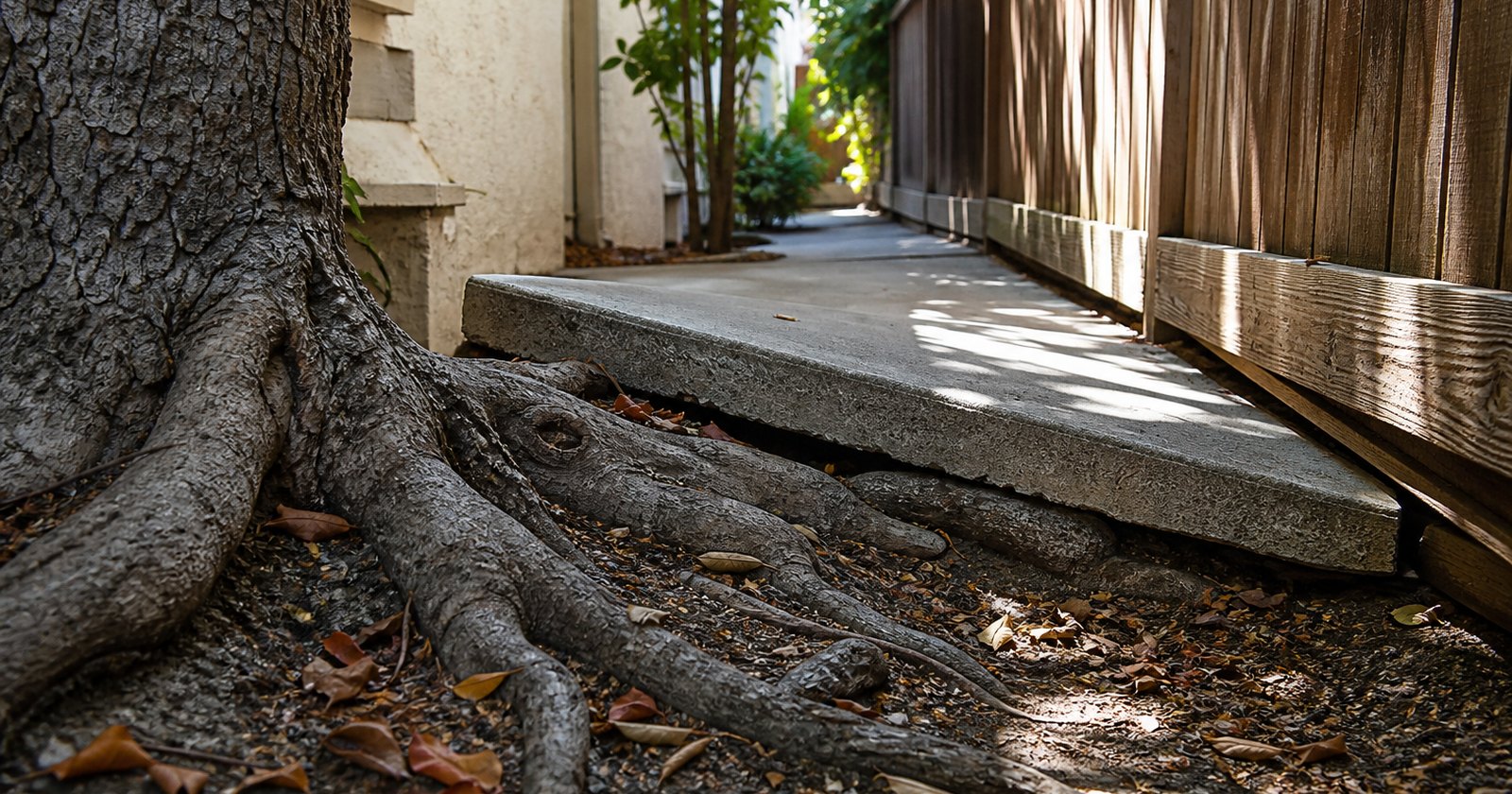
- Encroaching roots or branches.
- Property damage.
- Hazard.
- Removal.
- Trimming standard.
- Municipal protection.
- Coastal or environmental constraints.
- Recorded view provisions.
- HOA restrictions.
- Damages.
Self-help can create significant exposure. Confirm ownership, applicable rules, arborist guidance, and written notice before cutting.
Shared fences and walls
Civil Code section 841 creates presumptions and a notice framework concerning certain boundary fence costs between adjoining private landowners. It does not make every wall, retaining structure, design preference, or disputed boundary a simple fifty-fifty bill.
Review:
- Location and ownership.
- Function.
- Condition.
- Proposed work.
- Benefit.
- Cost.
- Prior agreements.
- Required notice.
- Permit issues.
- Whether equal responsibility would be unjust under the statutory factors.
Title and recorded-document disputes
A dispute may arise from:
- Competing ownership claims.
- Incorrect legal description.
- Unreleased lien.
- Forged or unauthorized instrument.
- Ambiguous easement.
- Recorded restriction.
- Deed mistake.
- Adverse claim.
- Cloud on title.
California’s quiet-title statutes provide a litigation framework for determining claims to property. A filed quiet-title action is a specialist litigation matter; pre-filing work should organize the title chain, parties, claims, evidence, and desired relief.
Immediate steps when a dispute appears
Preserve the property
If there is active water, collapse, fire, electrical danger, unstable soil, blocked emergency access, or another safety concern, protect people and property first. Document emergency work and avoid unnecessary alteration of evidence.
Preserve the record
Collect:
- Deeds.
- Title reports and policies.
- Recorded documents.
- Surveys.
- Plans and permits.
- Purchase disclosures.
- Photographs and video.
- Dated measurements.
- Repair records.
- Contractor and expert reports.
- Insurance correspondence.
- Letters, emails, and texts.
- Prior agreements.
- Historical aerials or images where legitimately obtained.
- Witness names.
- Timeline.
Keep originals and metadata. Do not edit the only copy of a photo or message.
Stop casual admissions
Do not concede ownership, boundary, causation, permission, responsibility, or permanent rights in an informal exchange before the record is reviewed.
Check urgent deadlines
Potential statutes of limitation, contractual notice periods, insurance reporting, escrow dates, permit appeal periods, and threatened construction may require prompt action. California limitations rules vary by claim and facts; do not rely on a generic online deadline.
What evidence usually matters
The recorded record
Obtain:
- Current deed.
- Prior deeds where relevant.
- Full legal descriptions.
- Easement instruments.
- Covenants and agreements.
- Plats and maps.
- Title policy.
- Exception documents.
Physical facts
Document:
- Location.
- Dimensions.
- Elevation.
- Drainage.
- Condition.
- Use.
- Frequency.
- Duration.
- Damage.
- Repairs.
History
Determine:
- When the condition began.
- Who created it.
- What predecessors said or did.
- Whether permission was given.
- Whether use changed.
- Whether objections were made.
- Whether agreements exist.
Qualified professional analysis
Depending on the issue:
- Surveyor.
- Civil or structural engineer.
- Geotechnical professional.
- Arborist.
- Architect.
- Contractor.
- Appraiser.
- Environmental professional.
- Land-use consultant.
- Title professional.
The right expert question is often narrower than “who is right?”
Do not confuse these documents
Assessor map
Useful for assessment and orientation, but generally not a boundary survey.
Preliminary title report
Shows proposed title coverage and recorded exceptions, but not necessarily the physical location or full effect of an item.
Survey
Can locate boundaries and improvements, but the surveyor does not decide every legal issue concerning ownership, prescriptive rights, permission, or document interpretation.
Permit
Government approval of work does not necessarily establish private ownership, easement rights, or compliance with a neighboring agreement.
A proportionate resolution ladder
1. Clarify the facts
Exchange limited documents, inspect, survey, or obtain a specialist opinion.
2. Stabilize conduct
Agree on temporary access, construction hours, drainage protection, tree safety, or a standstill while review occurs.
3. Make a focused written proposal
State:
- Confirmed facts.
- Disputed facts.
- Relevant documents.
- Immediate concern.
- Requested action.
- Response date.
- Path to inspect or discuss.
4. Negotiate a durable agreement
Potential terms:
- Location.
- Permitted use.
- Construction.
- Maintenance.
- Cost.
- Insurance.
- Indemnity.
- Notice.
- Access.
- Repair.
- Release.
- Confidentiality.
- Dispute resolution.
- Recording.
- Successors.
5. Mediate
Mediation may be useful when relationships, uncertainty, land use, privacy, speed, or creative terms matter.
6. Prepare for formal relief
If voluntary resolution fails, an organized record helps litigation counsel assess:
- Claims and defenses.
- Necessary parties.
- Immediate injunctive issues.
- Expert needs.
- Title and recording issues.
- Damages.
- Insurance.
- Settlement position.
Remedies depend on the right and the harm
Potential relief can include:
- Declaratory relief.
- Injunction.
- Abatement.
- Quiet title.
- Damages.
- Restoration or repair.
- Value of use.
- Easement interpretation.
- Reformation or cancellation in appropriate cases.
- Agreed license or easement.
- Boundary agreement.
- Cost allocation.
For example, Code of Civil Procedure section 731 addresses actions to enjoin or abate nuisance and recover damages, while Civil Code section 3334 addresses specified detriment from wrongful occupation. These provisions are starting points, not a prediction of remedy.
Property disputes during a sale or project
A current dispute can affect:
- Disclosure.
- Title.
- Insurance.
- Financing.
- Valuation.
- Access.
- Development.
- Closing conditions.
- Indemnity.
- Holdback.
- Buyer termination rights.
A seller should not minimize or conceal a dispute. A buyer should not assume that a neighbor’s informal assurance will bind successors.
How Law Laguna can help you move forward
Depending on scope, Law Laguna can:
- Conduct an early legal and factual assessment.
- Review title, deeds, easements, surveys, permits, and correspondence.
- Build the chronology and issue map.
- Identify missing evidence and appropriate professionals.
- Draft a preservation, access, demand, or response letter.
- Coordinate insurer or transaction notice.
- Prepare negotiation options.
- Draft a settlement, license, easement, maintenance, or boundary-related agreement.
- Support mediation preparation.
- Organize a referral-ready litigation file.
Law Laguna’s focus is counseling, documents, negotiation, and pre-litigation strategy. If a filed action or immediate court order is needed, the firm can help transition the organized matter to appropriate litigation counsel.
Questions property owners often ask
Should I call the police about a property-line dispute?
Many boundary, easement, and access disputes are civil matters. Safety, threats, vandalism, or conduct that may be criminal can present different issues. Do not use law enforcement as a substitute for reviewing the property rights.
Is the assessor’s parcel line proof of my boundary?
No. Online parcel maps can help identify property for assessment and research, but a deed, recorded map, survey, physical evidence, and legal analysis may be required.
Can I trim a neighbor’s tree to the property line?
Do not assume unrestricted self-help is safe. Ownership, tree health, damage risk, local protection, access, and the extent of proposed work should be reviewed first.
Who pays for a shared fence?
Civil Code section 841 creates presumptions and a 30-day written-notice process for certain boundary fences, with factors that can make equal responsibility unjust. The structure and facts must be reviewed.
What if an easement is not shown in the title report?
Recorded title is important, but claimed rights can arise from other facts and doctrines. Obtain the complete record, physical history, and legal assessment before denying or conceding the claim.
Should I send a demand letter immediately?
Sometimes. First confirm the desired outcome, evidence, legal position, urgency, insurance, and whether the letter could damage a transaction or practical solution.
Can a property dispute be resolved without litigation?
Often. Information exchange, expert clarification, written protocols, mediation, licenses, easements, maintenance agreements, construction solutions, and financial terms can resolve issues when the parties understand the risk.
Does Law Laguna file injunction or quiet-title cases?
Law Laguna focuses on early assessment, evidence, communication, agreements, negotiation, and organized case transition. A written engagement controls scope. When court proceedings are required, the firm can help identify and prepare for appropriate litigation counsel.
Related guidance
Explore the real-estate law center, review purchase and sale counsel, or assess real-estate broker duties and disputes.
A clear record creates better options
Bring the address, deed, title report or policy, disputed document, survey, photographs, communications, repair or expert reports, timeline, desired outcome, and any deadline.
Request a Property-Dispute Assessment
Claim elements, defenses, limitation periods, remedies, local ordinances, and procedural requirements require matter-specific review.