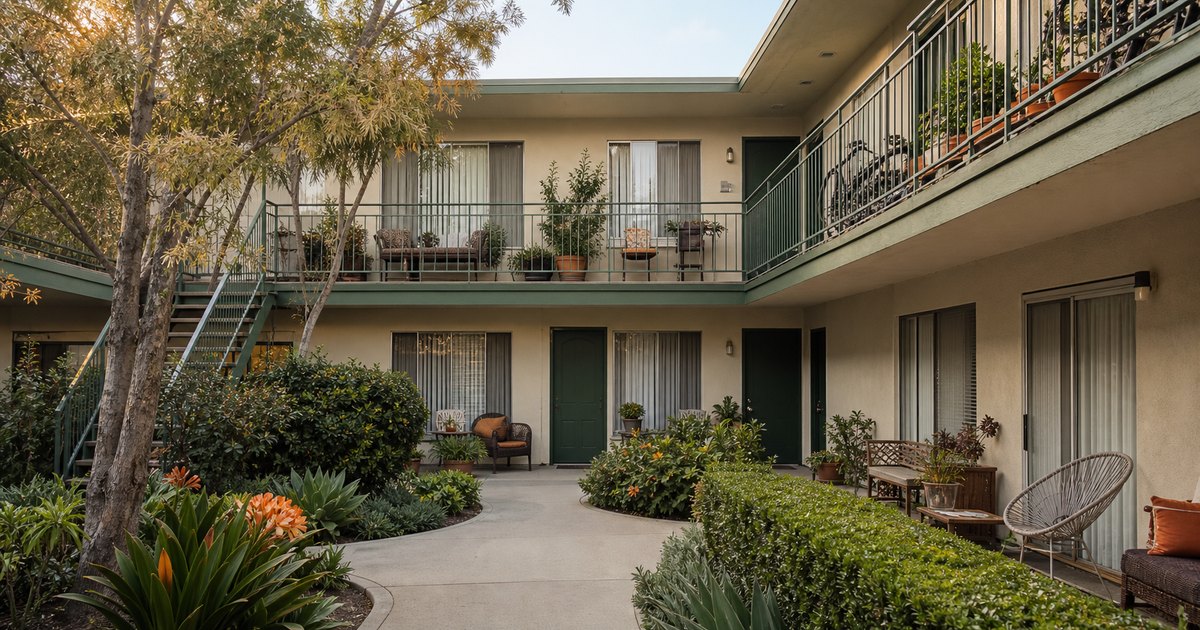
The purchase agreement, diligence process, closing documents, and post-closing plan should all account for the existing tenancies. A buyer should not assume that a sale ends a lease, resets the rent, restores possession, or cures the seller’s compliance history. A seller should not assume that handing over a rent roll transfers every obligation cleanly.
Law Laguna helps California buyers and sellers identify the tenancy rules that travel with the property, allocate risk in the purchase agreement, verify the operating file, and prepare an orderly ownership transition.
The short answer
Before signing or closing, the parties should answer five questions:
- What tenancies and occupants actually exist?
- Which state and local rent, just-cause, registration, and notice rules apply?
- What money, records, promises, disputes, and accommodations must transfer?
- Does the buyer expect continued operation, vacancy, renovation, or owner occupancy?
- Does the agreement allocate the risk if the facts are incomplete or inaccurate?
Those answers affect price, financing, timing, escrow, representations, closing conditions, and the buyer’s first day as owner.
A sale does not create a blank slate
The current occupancy should be treated as a material property condition, not an item to address after closing.
Depending on the facts, an incoming owner may take the property subject to:
- Fixed-term leases.
- Month-to-month tenancies.
- Local rent limitations.
- State and local just-cause protections.
- Existing rent levels and increase histories.
- Security-deposit obligations.
- Repair and habitability matters.
- Reasonable accommodations or modifications.
- Pending notices, complaints, demands, or litigation.
- Registration and fee requirements.
- Government program restrictions.
- Oral commitments or established practices that are not reflected in the form lease.
The analysis is property-, unit-, tenant-, and city-specific.
Buyer diligence should reconstruct the tenancy
Identify every resident and occupant
Compare:
- Signed leases.
- Amendments and addenda.
- Applications.
- Rent rolls.
- Ledgers.
- Deposit records.
- Correspondence.
- Inspection records.
- Utility records where appropriate.
- Seller and manager interviews.
- Estoppel responses.
- Actual possession.
Differences matter. A unit may have an original tenant, later roommates, minors who became adults, approved caregivers, subtenants, guests, or occupants the seller never documented.
Verify the term and current economics
For each unit, record:
- Original move-in date.
- Current term.
- Renewal or month-to-month status.
- Contract rent.
- Concessions.
- Utility allocation.
- Parking and storage charges.
- Other recurring charges.
- Payment method.
- Payment history.
- Deposit amount.
- Last rent increase.
- Notices affecting future rent.
The buyer should distinguish stated contract rent from the amount actually accepted and from the lawful rent that may be charged.
Determine the governing regulatory layer
Review:
- California’s Tenant Protection Act.
- Any claimed exemption and the notice supporting it.
- Local rent stabilization.
- Local just-cause rules.
- Registration and fee status.
- Local notice, filing, posting, and relocation duties.
- Subsidy or affordability restrictions.
- Short-term-rental or land-use rules.
- Emergency orders or price restrictions.
An exemption under one law does not establish an exemption under another.
Review the operating history
Request and evaluate:
- Repair requests and work orders.
- Code or agency notices.
- Inspection reports.
- Insurance claims.
- Mold, leak, pest, or environmental records.
- Entry notices.
- Accommodation requests.
- Fair-housing complaints.
- Tenant demands.
- Prior termination notices.
- Buyout discussions.
- Pending administrative or court matters.
- Manager communications.
A clean current inspection does not necessarily resolve a claim based on earlier conditions or conduct.

Tenant estoppels can help, but they are not a substitute for diligence
An estoppel certificate can ask a tenant to confirm facts such as:
- Lease and amendments.
- Term and renewal rights.
- Rent.
- Deposit.
- Concessions.
- Amounts prepaid.
- Defaults.
- Claims.
- Options.
- Side agreements.
- Parking, storage, or other rights.
Before relying on an estoppel process, review:
- Whether the lease requires one.
- What the tenant must certify.
- The time allowed.
- Whether the requested statements are accurate and appropriately limited.
- How discrepancies will be resolved.
- What happens if a tenant does not respond.
The seller should not pressure a tenant to sign an inaccurate statement. The buyer should reconcile each response against leases, ledgers, correspondence, and physical occupancy.
Security deposits require a closing protocol
California Civil Code section 1950.5 contains specific rules when a residential landlord’s interest ends.
At a high level, the outgoing landlord must either:
- Transfer the lawfully remaining security to the successor and provide the required tenant notice; or
- Return the lawfully remaining security to the tenant with the required accounting.
Before a voluntary transfer, the outgoing landlord must also provide the successor a written statement addressing the remaining security, any lawful deductions, and the selected statutory path.
The buyer should not treat missing deposit funds as only a claim against the seller. The statute can expose a successor to tenant-facing responsibility, and it restricts demands for a replacement deposit in specified circumstances.
The closing file should include:
- Tenant-by-tenant deposit schedule.
- Original deposit amount.
- Any lawful prior deductions.
- Interest, if a local law requires it.
- Reconciliation to bank and ledger records.
- Seller’s statutory statement.
- Tenant notice form and delivery responsibility.
- Purchase-price or escrow treatment.
- Post-closing accounting owner.
The successor-owner notice should be ready before closing
Under Civil Code section 1962, ownership and management contact and rent-payment information must be kept current. A successor owner or manager generally must comply within 15 days of succeeding the prior owner or manager.
Noncompliance has practical enforcement consequences. The statute restricts a successor’s ability to evict for nonpayment that accrued during the period of noncompliance, although it does not erase the tenant’s underlying rent liability.
The transition plan should identify:
- Owner and manager contact information.
- Address for service.
- Rent recipient.
- Permitted payment methods.
- Effective date.
- Treatment of electronic payments and autopay.
- Emergency and repair channel.
- Where records will be maintained.
- Who will answer tenant questions.
Avoid conflicting instructions from seller, buyer, old manager, and new manager.
The buyer’s possession plan belongs in the deal analysis
A buyer may intend to:
- Continue every tenancy.
- Renovate while occupied.
- Recover a unit for the buyer or qualifying family.
- Perform a substantial remodel.
- Withdraw units from rental use.
- Negotiate a voluntary vacancy.
- Deliver vacant possession to another user.
Each path can trigger different state, local, contractual, notice, relocation, evidence, and timing requirements.
California Civil Code section 1946.2 supplies a statewide just-cause framework for covered tenancies. Cities and counties may provide additional or different protections. A purchase agreement cannot make a lawful termination available when governing law does not.
If vacant possession is important:
- Define exactly which unit must be vacant.
- Identify who is responsible.
- State whether vacancy is a closing condition or post-closing covenant.
- Prohibit unapproved notices or agreements.
- Require delivery of all tenant communications.
- Address buyout cost and compliance.
- Provide inspection and verification rights.
- Allocate the consequence if possession is not delivered.
“Seller to deliver vacant” is not a complete strategy.
Seller-side preparation
A seller can reduce delay and retrading by building the operating file before marketing.
Assemble the tenancy schedule
Include:
- Unit.
- Occupants.
- Lease date and term.
- Rent and charges.
- Deposit.
- Increase history.
- Concessions.
- Parking and storage.
- Subsidy.
- Accommodation status.
- Open repair.
- Dispute or notice.
Correct what can be corrected lawfully
Examples may include:
- Missing ownership or management information.
- Incomplete registration.
- Unreconciled deposits.
- Missing lease documents.
- Open work orders.
- Inconsistent ledgers.
- Unsupported fee practices.
- Conflicting notices.
Correction should not become alteration or concealment. Preserve the history and disclose accurately.
Control pre-closing conduct
The purchase agreement should address whether the seller may:
- Enter new leases.
- Renew or extend.
- Increase rent.
- Offer concessions.
- Settle a claim.
- Serve a termination notice.
- Enter a buyout.
- Accept prepaid rent.
- Modify a manager agreement.
- Begin nonemergency work.
The buyer may be inheriting the result.
Purchase-agreement issues
Tenant-occupied deals commonly require focused provisions on:
- Accuracy of the rent roll.
- Delivery of leases and records.
- No undisclosed agreements.
- Deposits and prepaid rent.
- Rent and expense prorations.
- Delinquency collections.
- Concessions.
- Tenant claims and defaults.
- Compliance with rent and just-cause laws.
- Registration and fees.
- Estoppels.
- Seller conduct before closing.
- Property access.
- Tenant communications.
- Vacant-delivery conditions.
- Indemnity.
- Survival.
- Holdbacks or credits.
- Post-closing cooperation.
Representations should be tied to defined documents, knowledge standards, disclosure schedules, remedies, and survival—not treated as a generic list.
Local overlays in the Big 3 counties
Orange County and Laguna Beach
Most Orange County properties begin with state law, but city rules can affect rental operation, short-term lodging, substantial-remodel activity, registration, and notices. Laguna Beach has specific property and rental-use overlays that should be checked rather than inferred from county location.
Explore Orange County landlord law
Los Angeles County
The first question is whether the property is in the City of Los Angeles, another incorporated city, or unincorporated county territory. The City of Los Angeles RSO and JCO systems, the unincorporated county RSTPO, and independent municipal laws create materially different diligence and transition requirements.
Explore Los Angeles County landlord law
San Diego County
The City of San Diego Residential Tenant Protections Ordinance and ordinances in other San Diego County cities can affect termination, relocation, notices, and documentation. The city—not the mailing label—must be confirmed.
A practical buyer checklist
Before removing contingencies, confirm:
- Ownership entity and authority.
- Complete lease set.
- Occupant reconciliation.
- Rent-roll and ledger reconciliation.
- Deposit funding and statutory transfer plan.
- AB 1482 coverage and exemption notices.
- Local rent and just-cause coverage.
- Registration, fee, and inspection status.
- Repair and code history.
- Accommodation and fair-housing matters.
- Pending demands, notices, claims, and cases.
- Estoppel status and discrepancies.
- Vacant-possession feasibility, if relevant.
- Closing notices and management transition.
- Insurance and lender approval.
- Purchase-agreement remedy if a key fact is wrong.
A practical seller checklist
Before marketing or responding to diligence:
- Centralize the operating file.
- Verify every tenant and occupant.
- Reconcile rent, concessions, and deposits.
- Identify current state and local coverage.
- Review claimed exemptions and notices.
- Resolve open safety and repair items appropriately.
- Disclose disputes and agency matters accurately.
- Avoid uncoordinated rent, lease, or termination changes.
- Prepare estoppel and access procedures.
- Assign deposit, notice, and record-delivery responsibility.
- Define vacant-delivery obligations precisely.
- Preserve communications and delivery evidence.
How Law Laguna can help you move forward
Depending on the engagement, Law Laguna can:
- Review the letter of intent and purchase agreement.
- Create buyer or seller tenancy-diligence requests.
- Analyze leases, ledgers, deposits, notices, and rent history.
- Identify statewide and local regulatory layers.
- Review estoppel forms and discrepancies.
- Structure deposit transfer and successor notices.
- Evaluate a requested vacant-possession strategy.
- Draft transaction representations, covenants, conditions, and closing deliverables.
- Coordinate with brokers, escrow, title, managers, lenders, accountants, and specialist counsel.
- Prepare the post-closing owner compliance plan.
If a filed dispute is necessary, Law Laguna can organize the transaction and tenancy record and help transition the matter to appropriate litigation counsel.
Questions property owners often ask
Does a sale terminate a California residential lease?
Generally, a voluntary sale does not by itself erase an existing tenancy. The lease, tenancy status, state law, local law, and proposed ground for any later termination require review. Foreclosure transactions have separate rules and are not interchangeable with ordinary sales.
Can a buyer raise rent immediately after closing?
Not simply because ownership changed. The existing rent, timing and amount of prior increases, lease term, statewide cap, local rent control, notice requirements, and any exemption must be evaluated.
Who is responsible for the tenant’s security deposit?
Civil Code section 1950.5 establishes transfer, notice, statement, and successor-liability rules. The parties should reconcile the deposit schedule and complete a statutory transfer protocol through closing.
Should every tenant sign an estoppel?
An estoppel can be valuable, especially for multifamily or commercial underwriting, but the lease must be reviewed and the requested statements must be accurate. A nonresponse or discrepancy should be handled under the purchase agreement and diligence plan.
Can the seller promise vacant possession?
The seller can accept a contractual obligation, but the parties must verify that the proposed method and timing are lawful and realistic. State and local just-cause, relocation, buyout, and notice rules cannot be waived by a purchase contract.
What should an incoming owner send tenants?
At minimum, the successor should prepare current ownership, management, service, and rent-payment information required by Civil Code section 1962. Local registrations, notices, guides, payment instructions, and program communications may also apply.
Can the buyer rely on the seller’s rent roll?
The rent roll is a starting point. It should be tested against leases, ledgers, bank records, deposits, correspondence, estoppels, registration records, and actual occupancy.
Does Law Laguna handle eviction litigation after closing?
Law Laguna focuses on compliance, transaction documents, possession analysis, notices, negotiation, and pre-litigation preparation. If a filed court action becomes necessary, the firm can help prepare an organized transition to appropriate litigation counsel.
Related guidance
Explore the real-estate law center, purchase and sale counsel, and due diligence, title, and escrow guidance.
Make the tenancy part of the transaction—not a post-closing surprise
Bring the address, city, unit count, purchase agreement or letter of intent, intended use, rent roll, leases, deposits, notices, registrations, repair history, and target closing date.
Discuss a Tenant-Occupied Transaction
Local rent, registration, relocation, filing, and tenant-protection rules require transaction-time verification.