
It determines more than rent. It allocates the right to use the premises, delivery and buildout, repairs, operating costs, compliance, insurance, risk, assignment, default, and the owner’s ability to finance, sell, reposition, or recover the space.
The lease should reflect:
- The asset.
- The intended tenant and use.
- The owner’s business terms.
- The physical condition and delivery plan.
- The way the property is actually managed.
- The owner’s lender, insurance, and disposition objectives.
- The cost and consequence of a default.
Law Laguna helps California commercial landlords turn the negotiated business deal into a document that can operate over time.
Begin with the business terms—but do not stop there
The term sheet or letter of intent may address:
- Premises.
- Term.
- Base rent.
- Deposit.
- Options.
- Tenant improvements.
- Free rent.
- Operating expenses.
- Permitted use.
- Exclusivity.
- Parking.
- Guaranty.
Those terms can create consequences that are not obvious from the bullet points.
Examples:
- A broad use clause can restrict the owner’s ability to manage the tenant mix.
- A delivery condition can create delay remedies or termination rights.
- An operating-expense exclusion can shift long-term capital costs to the owner.
- A renewal option can affect sale and financing value.
- A change-of-control clause can determine whether the tenant can sell its business.
- A personal guaranty can be undermined by amendment or transfer language.
Legal review is most useful before the owner treats the letter of intent as settled.
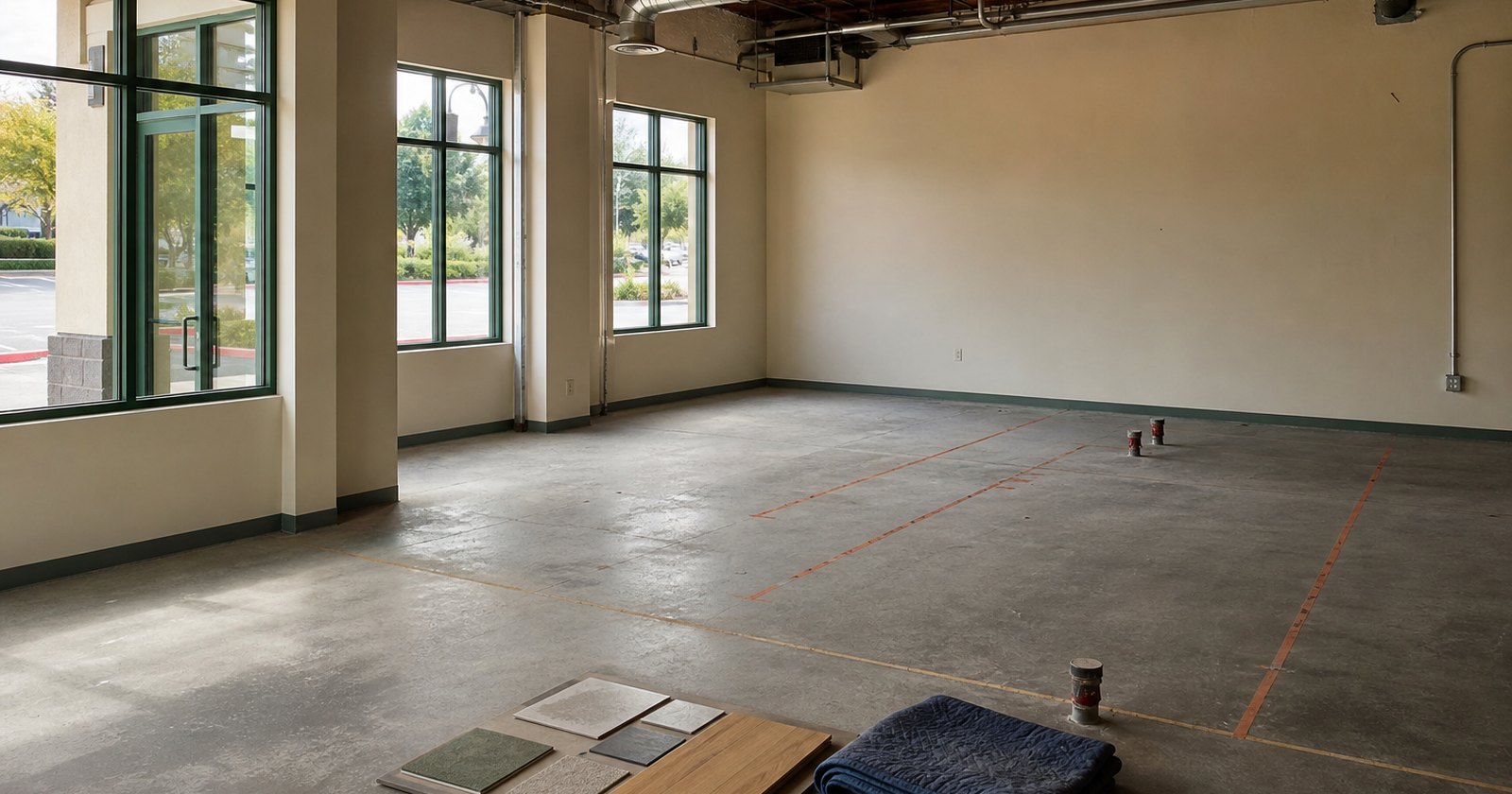
The premises and delivery condition
The lease should identify:
- Legal and practical description of the premises.
- Approximate or stipulated square footage.
- Common areas.
- Storage.
- Parking.
- Roof, exterior, and utility rights.
- Building systems.
- Delivery date.
- Delivery condition.
- Existing furniture, fixtures, or equipment.
- Punch-list and acceptance process.
- Delay and outside-date consequences.
If the premises require work, the parties should distinguish:
- Landlord work.
- Tenant work.
- Tenant-improvement allowance.
- Approval process.
- Plans and specifications.
- Permits.
- Change orders.
- Payment and lien protection.
- Ownership of improvements.
- Removal and restoration.
Permitted use and operational controls
The permitted use should be broad enough for the intended tenant but specific enough to protect the property and tenant mix.
Consider:
- Primary and incidental use.
- Prohibited uses.
- Exclusives and protected uses.
- Hours.
- Noise, odor, vibration, and emissions.
- Deliveries and loading.
- Waste.
- Hazardous materials.
- Alcohol, cannabis, food preparation, health care, or regulated activity.
- Licenses and permits.
- Compliance with law.
- Rules and regulations.
- Signage.
- Rooftop and telecommunications equipment.
- Security and after-hours access.
For a restaurant or hospitality use, utilities, grease, ventilation, patio, liquor licensing, trash, delivery, pest control, and restoration may require special treatment.
Rent and other economics
Base rent
Define:
- Commencement.
- Escalations.
- Partial months.
- Abatement.
- Payment method.
- Application of payments.
- Interest and late charges.
Percentage rent
Retail or restaurant leases may require:
- Gross-sales definition.
- Exclusions.
- Reporting.
- Audit.
- Online sales.
- Delivery platforms.
- Related entities.
- Confidentiality.
Security
Potential credit support includes:
- Cash deposit.
- Letter of credit.
- Personal or entity guaranty.
- Prepaid rent.
- Increased security after transfer or financial decline.
Operating expenses
The lease should define:
- Included categories.
- Exclusions.
- Administrative fee.
- Capital items and amortization.
- Taxes.
- Insurance.
- Utilities.
- Management.
- Gross-up.
- Allocation.
- Estimate and reconciliation.
- Audit rights.
- Time limits.
A generic “triple net” label does not resolve the calculation.
Repairs, maintenance, and building systems
The lease should assign:
- Structure.
- Roof.
- Foundation.
- Exterior.
- HVAC.
- Plumbing.
- Electrical.
- Fire/life-safety systems.
- Elevators.
- Utilities.
- Storefront.
- Doors and glass.
- Interior.
- Common areas.
- Landscaping.
- Pest control.
- Waste systems.
The allocation should address:
- Maintenance standards.
- Replacement.
- Capital cost.
- Damage caused by a party.
- Service contracts.
- Access.
- Emergency work.
- Self-help.
- Notice.
- Failure to perform.
- End-of-term condition.
Compliance, accessibility, and CASp
Commercial leases should allocate responsibility for:
- Existing violations.
- Tenant’s use.
- Alterations.
- Building-wide requirements.
- Accessibility.
- Fire and life safety.
- Environmental compliance.
- Zoning and permits.
Civil Code section 1938 includes commercial lease disclosures concerning inspection by a Certified Access Specialist. The current statute and property status should be reviewed for the transaction.
The parties should avoid language that appears to allocate every legal obligation while failing to address who performs, who pays, how the issue is discovered, and what happens if government approval cannot be obtained.
Insurance, indemnity, and casualty
The lease should coordinate:
- Property insurance.
- Commercial general liability.
- Business interruption.
- Workers’ compensation.
- Automobile.
- Umbrella.
- Additional insured status.
- Waiver of subrogation.
- Certificates and policy evidence.
- Deductibles.
- Tenant property and improvements.
- Indemnity.
- Limitation of liability.
Casualty provisions should address:
- Repair obligation.
- Rent abatement.
- Insurance proceeds.
- Termination.
- Mortgagee requirements.
- Restoration period.
- Tenant improvements.
- Uninsured loss.
- Last years of term.
The lease should be reviewed alongside the owner’s actual insurance program.
Assignment, subletting, and change of control
California’s statutory framework for commercial transfer restrictions appears in Civil Code sections 1995.010 and following.
The lease should identify:
- Transactions requiring consent.
- Change of control.
- Affiliate transfers.
- Merger and sale of business.
- Net-worth standards.
- Information required.
- Review cost.
- Recapture.
- Profit sharing.
- Release or continuing liability.
- Guarantor treatment.
- Future transfers.
The owner should decide whether the economic bargain is with the current operating business, a guarantor, a particular use, or the credit of a broader enterprise.
Options and future rights
Options can materially affect property value.
Review:
- Renewal.
- Expansion.
- Contraction.
- Right of first offer.
- Right of first refusal.
- Purchase option.
- Termination.
- Relocation.
The provision should define:
- Exercise window.
- Method.
- Conditions.
- Default disqualification.
- Personal or transferable nature.
- Rent determination.
- Dispute mechanism.
- Treatment of concessions.
- Effect of assignment.
An option that is vague when signed can become expensive when exercised.
Default and remedies
The lease should distinguish:
- Monetary default.
- Nonmonetary default.
- Emergency breach.
- Repeated breach.
- Insolvency.
- Abandonment.
- Failure to open or operate.
- Unauthorized transfer.
Potential provisions include:
- Notice and cure.
- Interest and late charges.
- Security draw.
- Landlord performance of tenant obligations.
- Recovery of possession.
- Damages.
- Continuation of lease remedies.
- Reletting and mitigation.
- Holdover.
- Attorneys’ fees.
- Dispute process.
Civil Code sections 1951.2 and 1951.4 are part of California’s commercial lease-remedy framework. The lease facts and current law determine the available remedy.
Financing, sale, and lender concerns
The owner may need:
- Subordination.
- Nondisturbance.
- Attornment.
- Lender notice and cure.
- Estoppels.
- Financial reporting.
- Memorandum of lease.
- Confidentiality.
- Assignment to a purchaser.
- Transfer of deposits and prepaid rent.
Lease administration should make it possible to answer a buyer’s or lender’s diligence request accurately.
Special property and use issues
Retail
- Exclusives.
- Radius restrictions.
- Co-tenancy.
- Continuous operation.
- Signage.
- Percentage rent.
- Common-area control.
Restaurant and food service
- Ventilation.
- Grease.
- Utilities.
- Outdoor dining.
- Liquor.
- Odor.
- Waste.
- Equipment.
- Health permits.
- Restoration.
Office
- Building services.
- After-hours HVAC.
- Security.
- Density.
- Parking.
- Technology.
- Access.
Industrial
- Loading.
- Floor load.
- Power.
- Yard.
- Hazardous materials.
- Environmental.
- Equipment.
- Restoration.
Cannabis and regulated uses
- Licensing.
- Local approval.
- Federal-law risk.
- Banking.
- Security.
- Odor.
- Insurance.
- Termination if approval fails.
The owner should not force every use into the same lease form.
How Law Laguna can help you move forward
Depending on scope, Law Laguna can:
- Review or prepare a letter of intent.
- Draft a landlord lease.
- Review a tenant form.
- Create an issue list.
- Negotiate business and legal terms.
- Draft work-letter and guaranty documents.
- Review assignment, amendment, renewal, or expansion.
- Coordinate with the owner’s broker, lender, manager, insurance adviser, architect, contractor, and tax adviser.
- Prepare an execution and administration checklist.
- Review a developing default or workout.
The engagement should identify who leads business negotiation, who communicates with the other side, and what decisions require owner approval.
A practical lease process
1. Deal intake
Collect the property, parties, ownership entity, broker package, proposed use, financial terms, delivery assumptions, credit support, lender issues, and target schedule.
2. Issue prioritization
Identify the terms that affect value, risk, use, construction, timing, and exit. Do not spend equal time on every clause.
3. Drafting or markup
Use a document that fits the property and deal. Track open business points separately from legal drafting.
4. Negotiation
Explain the significance of a requested change and give the owner practical choices.
5. Execution
Confirm entity names, authority, exhibits, guaranties, insurance, deposit, signatures, and delivery conditions.
6. Administration handoff
Create a summary of critical dates, notices, options, reporting, insurance, rent changes, work obligations, and unusual terms.
Questions property owners often ask
Should the owner sign a letter of intent before involving counsel?
Legal review is often most useful before the letter is signed. Even a stated nonbinding term sheet can establish expectations and make later changes commercially difficult.
Can a landlord use the same lease for every tenant?
A base form can improve consistency, but the use, credit, work, property, cost allocation, insurance, lender, and operational terms should be tailored.
What does “triple net” mean?
The label does not define every cost. The lease must state which taxes, insurance, maintenance, management, capital, common-area, and other expenses are included, excluded, allocated, and reconciled.
Does the landlord always have to consent to an assignment?
The answer depends on the lease and California law. The owner should review the transfer definition, consent standard, information required, recapture, profit, release, guaranty, and proposed transferee.
Who is responsible for accessibility compliance?
The lease can allocate work and cost between the parties, but the property, existing condition, tenant’s use and alterations, statutory duties, and government enforcement all matter. Review Civil Code section 1938 and the actual property.
What happens if a tenant defaults?
The lease, type of default, notice, cure, security, possession, mitigation, guaranty, and owner objective determine the response. Review the file before declaring default or terminating.
Does Law Laguna litigate commercial lease disputes?
The firm focuses on contracts, counseling, negotiation, workouts, and pre-litigation strategy. If a filed case is required, Law Laguna can help organize the matter and transition it to appropriate litigation counsel. No court appearance is implied unless stated in a written engagement.
Related guidance
Explore the real-estate law center, purchase and sale counsel, and due diligence, title, and escrow guidance.
Put the property’s business deal into a lease that can operate
Bring the letter of intent, broker communications, property information, ownership entity, proposed use, business terms, existing form, work plan, credit support, and target schedule.
Request Commercial Lease Review
Transaction-specific statutes, regulations, local use rules, lender requirements, accessibility, environmental, and tax issues must be reviewed for the property and deal.