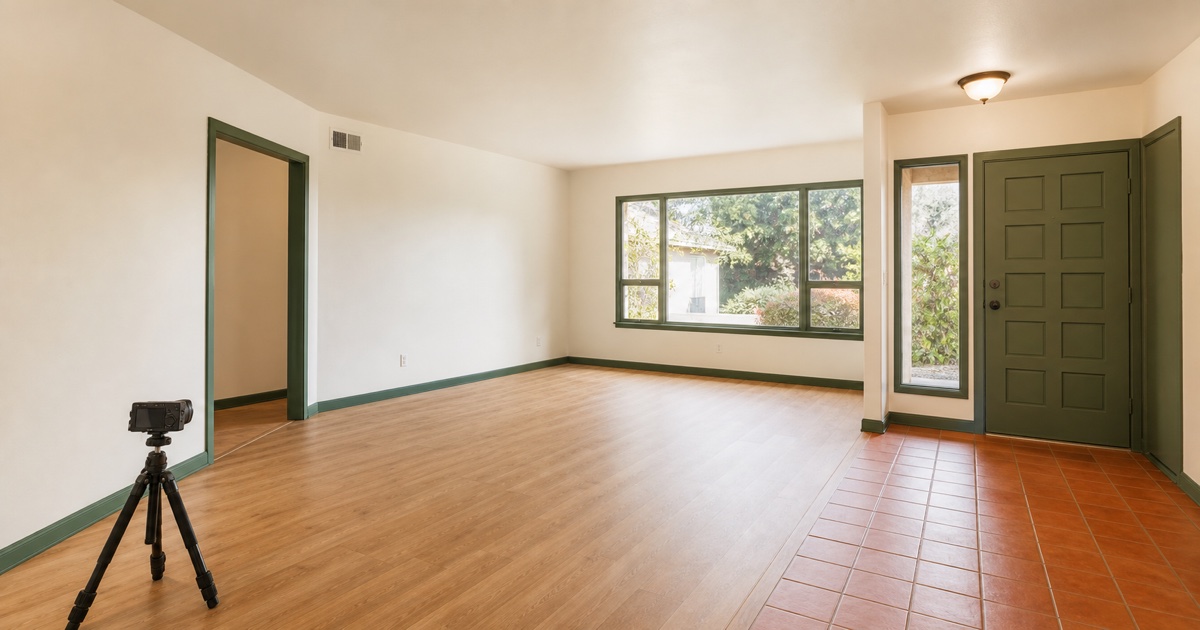
California now requires residential landlords to take photographs at specified move-in and move-out stages. Those images are part of a broader evidence system that should include condition records, inspection notices, repair history, invoices, keys, possession dates, and the security-deposit accounting.
The purpose is not to create the largest possible file. It is to create a reliable one.
The short answer
For tenancies beginning on or after July 1, 2025, the landlord must photograph the unit immediately before or at the beginning of the tenancy. Beginning April 1, 2025, a landlord claiming repair or cleaning deductions must photograph the unit after possession returns and before the work, then photograph it again after the work is complete.
When the statutory procedure applies, the owner must also notify the tenant of the option to request an initial inspection before move-out. The final record should connect the original condition, tenant communications, initial inspection, possession return, work performed, cost, and deposit accounting.
What to do first
Before move-in
- Finish owner-responsible repairs and cleaning.
- Confirm the unit is ready for lawful occupancy.
- Photograph every room and material feature immediately before or at tenancy inception.
- Prepare a written condition record using consistent room and item names.
- Inventory furnishings, appliances, keys, remotes, access devices, and included property.
- Preserve invoices and completion records for pre-tenancy work.
- Deliver the lease and disclosure packet and retain proof.
During the tenancy
- Keep repair requests, access notices, vendor records, and completion evidence in the same property system.
- Add dated photographs when a material repair, alteration, leak, casualty, or damage event occurs.
- Do not overwrite the original move-in files.
- Record owner-approved changes to paint, fixtures, furnishings, pets, occupants, or use.
Before move-out
- Calendar the fixed-term end or termination date.
- Give the required written notice of the option to request an initial inspection and right to be present.
- Schedule and document the inspection if requested.
- Deliver the proposed-deduction statement required by Civil Code section 1950.5.
- Preserve the tenant’s forwarding and electronic-return instructions.
After possession returns
- Establish when possession was actually returned.
- Record keys, remotes, access devices, and property left behind.
- Photograph before repair or cleaning deductions are undertaken.
- Preserve vendor estimates, authorizations, invoices, receipts, labor time, and materials.
- Photograph after the claimed work is complete.
- Connect each deduction to the condition, work, cost, and statutory basis.
What not to do
- Do not use only undated close-up photographs.
- Do not discard the original files after placing images into a report.
- Do not repair or clean first and photograph later if a deduction will be claimed.
- Do not stage photographs in a way that obscures scale or location.
- Do not treat an owner-created checklist as proof the tenant agreed with every entry.
- Do not deduct for a condition already visible in the move-in record.
- Do not confuse ordinary wear with tenant-caused damage.
- Do not omit the initial-inspection offer because the tenant appears uninterested.
- Do not use an entry for inspection as a pretext for harassment or unrestricted access.
- Do not wait until day 21 to begin collecting invoices and return instructions.
The statewide documentation framework
The primary statewide authority is Civil Code section 1950.5.
Move-in photographs
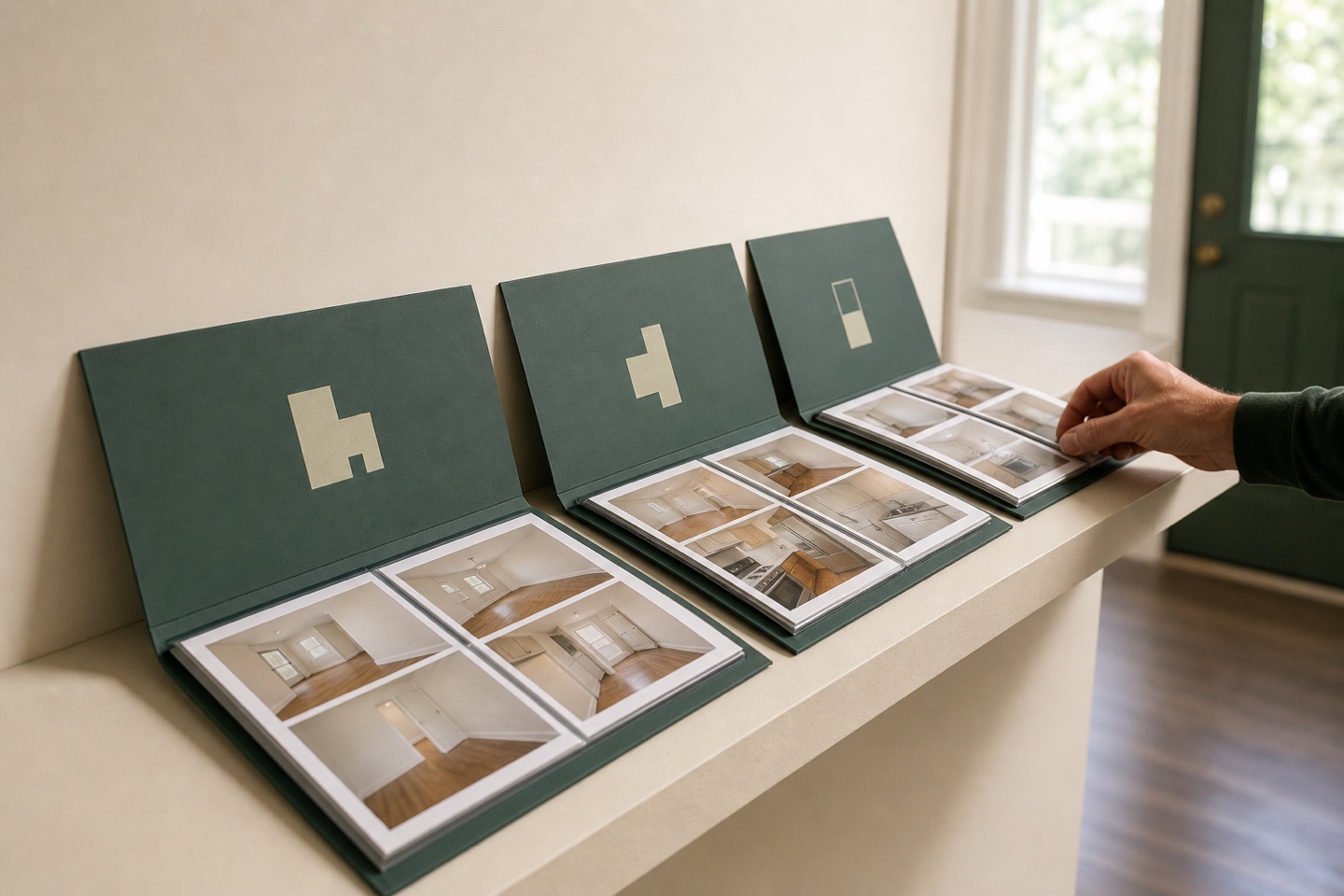
For a tenancy beginning on or after July 1, 2025, the landlord must take photographs immediately before or at the inception of the tenancy. A sound practice is to capture:
- A wide view identifying each room.
- Walls, ceilings, floors, doors, and windows.
- Kitchen and bathroom surfaces and fixtures.
- Appliances and their visible condition.
- Furnishings and personal property supplied by the owner.
- Balconies, patios, yards, garages, parking, and storage included in the tenancy.
- Existing wear, stains, chips, cracks, or other notable conditions.
- Meter readings or service conditions when relevant.
The statute requires photographs; it does not prescribe a single camera, naming system, or report format. The owner’s system should preserve authenticity and make the images understandable months or years later.
Initial inspection before termination
Within a reasonable time after either party gives notice of termination—or before a fixed term ends—the landlord must notify the tenant in writing of the option to request an initial inspection and the right to be present.
When requested:
- The inspection occurs at a reasonable time, no earlier than two weeks before termination or lease end.
- The parties try to select a mutually acceptable time.
- The landlord generally gives at least 48 hours’ written notice, unless both parties sign a written waiver.
- The landlord proceeds whether or not the tenant attends, unless the request was withdrawn.
- The landlord gives the tenant the statutory statement identifying proposed repair or cleaning deductions.
- The tenant has an opportunity to remedy identified conditions before the tenancy ends.
The statute excepts certain terminations under Code of Civil Procedure section 1161. Owners should verify the exception before omitting the process.
The initial inspection is not an agreement fixing the final deductions. Conditions may occur afterward, remain hidden by possessions, or not be cured.
Move-out photographs
Beginning April 1, 2025, if the landlord will claim a repair or cleaning deduction, section 1950.5 requires photographs:
- Within a reasonable time after possession returns.
- Before the repair or cleaning for which the deduction will be claimed.
- Within a reasonable time after that repair or cleaning is complete.
The landlord must provide the required photographs with the itemized statement when taking repair or cleaning deductions, together with the written cost explanation and supporting records.
Supporting cost evidence
For owner or employee labor, the accounting must reasonably describe the work, time, and hourly rate. For third-party work, the owner generally provides the bill, invoice, or receipt and provider information. Materials and supplies require permitted cost documentation.
If final work or documentation cannot reasonably be completed within 21 days, the statute permits a good-faith estimate followed by completed documentation within the specified follow-up period.
Entry and privacy during documentation
Move-in and post-surrender documentation normally occur when the tenant is not yet or no longer in possession. Mid-tenancy inspections are different.
Civil Code section 1954 limits the permissible purposes and manner of landlord entry. Except for statutory exceptions, the landlord must give reasonable written notice identifying the date, approximate time, and purpose and enter during normal business hours. Twenty-four hours is presumed reasonable in the absence of contrary evidence for qualifying personally delivered or posted notice; mailed notice has a separate six-day presumption.
An owner may not abuse access or use it to harass. A camera does not enlarge the lawful purpose of entry. Avoid photographing documents, medication, computer screens, or personal items unrelated to the legitimate inspection purpose.
Facts and documents that matter
A complete turnover file may include:
- The executed lease, addenda, and property schedule.
- Move-in photographs in original format.
- Written condition checklist and tenant comments.
- Furnishing and key inventory.
- Pre-tenancy repair and cleaning invoices.
- Repair requests, access notices, vendor reports, and completion evidence.
- Alteration or accommodation approvals.
- Termination notice and proof.
- Initial-inspection option notice.
- Scheduling communications, entry notice, and any written waiver.
- Proposed-deduction statement.
- Possession-return evidence.
- Before-work and after-work photographs.
- Estimates, invoices, receipts, owner labor records, and vendor contacts.
- Final itemization, photographs delivered, return method, and delivery evidence.
File names should identify property, unit, date, room, and sequence without embedding unnecessary tenant-sensitive information.
Local overlay check
City and county programs may create additional records involving:
- Rental registration.
- Periodic inspection.
- Code violations and correction deadlines.
- Relocation during repairs.
- Substantial-remodel permits and termination filings.
- Lead, smoke-free housing, balcony, or short-term lodging compliance.
Local records should be linked to, but not mixed indiscriminately into, the deposit file. The Local Landlord Law Center identifies the Big 3 research paths.
Decision paths
The tenant agrees with the move-in condition record
Preserve the signed or acknowledged record and the original photographs. Continue documenting material repairs and agreed changes.
The tenant submits corrections
Do not delete the owner’s original record. Preserve the tenant’s comments, assess any repair issue promptly, add responsive photographs when useful, and document the resolution.
The tenant requests the initial inspection
Schedule it within the statutory window, deliver the required notice or written waiver, conduct the inspection, and provide the proposed-deduction statement.
The tenant declines or does not request the inspection
Preserve the written offer and delivery evidence. Continue with the final condition and deposit process after possession returns.
Possessions obscure conditions
Document the obstruction without intruding unnecessarily into personal property. The statute recognizes that possessions may prevent identification of a condition during the initial inspection.
Work cannot be finished by day 21
Use the statutory good-faith-estimate procedure rather than withholding the entire accounting. Calendar the follow-up deadline and send final support when the work or documents are available.
Mistakes that can make the problem harder
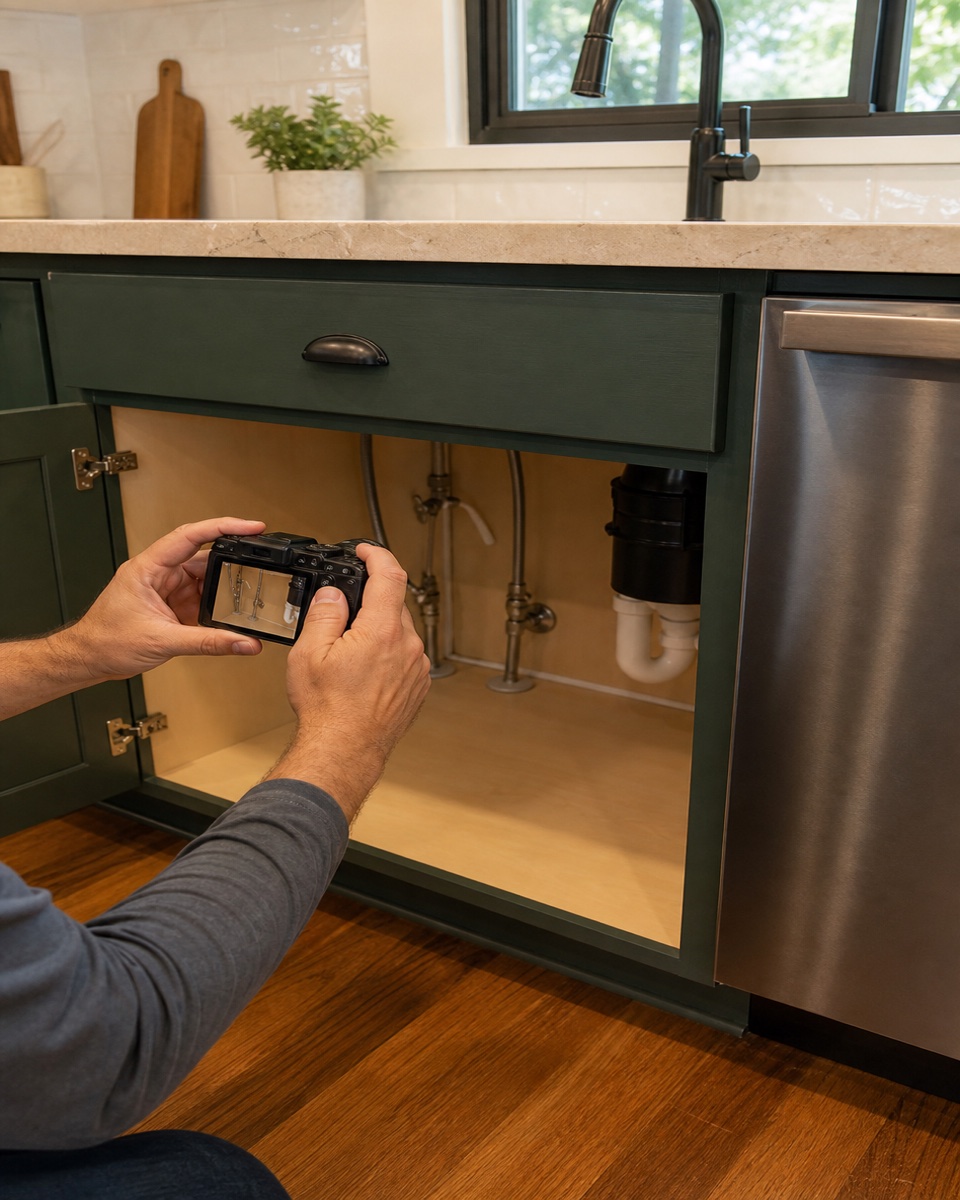
- Photographing only damage, with no wide view identifying where it is.
- Using screenshots that strip useful original metadata.
- Failing to record preexisting wear.
- Having inconsistent room names across checklists, photographs, and invoices.
- Missing move-in photographs for a tenancy beginning after June 30, 2025.
- Missing the required pre-work or post-work photo stage.
- Assuming the tenant waived an inspection without a documented offer.
- Treating professional cleaning as automatically deductible.
- Claiming full replacement cost for an aged item without a reasonableness analysis.
- Letting a vendor invoice use a different unit or customer name without explanation.
When legal review is worthwhile
Review is useful when:
- The deposit is substantial.
- The unit is furnished or contains high-value finishes.
- The move-in record is incomplete.
- The tenant disputes the initial inspection.
- Habitability or repair claims overlap with claimed damage.
- Possession return is unclear.
- Multiple adults disagree about deposit allocation.
- The property is being sold.
- Work cannot be completed within 21 days.
- The tenant has sent a demand letter or threatened a claim.
Law Laguna can review the condition file, statutory notices, photographs, cost support, proposed deductions, and return method. The firm can also help create a repeatable documentation standard for an owner or portfolio.
Related services and guides
- Legal services for California rental-property owners
- Security Deposits for California Landlords
- Residential Lease Drafting and Review
- Landlord Entry and Tenant Privacy
- Habitability, Repairs, and Temporary Relocation
- Local Landlord Law Center
Questions property owners often ask
Are move-in photographs required for every current tenancy?
Section 1950.5 requires move-in photographs for tenancies that begin on or after July 1, 2025. Older tenancies may not fall within that specific inception-photo mandate, but existing condition evidence remains important.
How many photographs should a landlord take?
The statute does not prescribe a number. The set should be sufficient to identify each relevant area and show overall and detailed condition. Quality, coverage, sequence, and intelligibility matter more than volume alone.
Must the tenant sign the move-in condition checklist?
Section 1950.5’s photograph rule does not make a tenant signature the only method of proof. An owner should invite prompt corrections and preserve whether the tenant acknowledged, disputed, or did not return the record.
When does the initial inspection occur?
If requested, it occurs at a reasonable time no earlier than two weeks before the tenancy terminates or the fixed term ends. The owner generally provides at least 48 hours’ written notice unless both parties sign a written waiver.
May the landlord add deductions not listed at the initial inspection?
The answer depends on the facts and statutory exceptions. Section 1950.5 addresses later-occurring conditions and conditions hidden by possessions, but an owner should not omit a visible proposed deduction and assume it can be added later.
Do photographs replace invoices?
No. Photographs establish condition; invoices, receipts, labor records, and explanations establish work and cost. Repair and cleaning deductions generally require both kinds of support.
What if the tenant leaves keys but belongings remain?
Possession, abandonment, personal property, rent, access, and deposit timing can become separate legal questions. Do not assume the 21-day clock or disposal rights from the key event alone without reviewing the facts.
Can the landlord photograph personal belongings during a mid-tenancy inspection?
Documentation should remain tied to the lawful purpose of entry. Avoid unnecessary capture of private information or belongings, and comply with Civil Code section 1954 and any accommodation or local requirements.
Official legal sources
The principal official authority is Civil Code section 1950.5, including the photograph, initial-inspection, documentation, accounting, and return provisions. Mid-tenancy access is separately governed by Civil Code section 1954.
Local inspection, code-enforcement, substantial-remodel, and repair-relocation rules may require additional records.
Laws and local procedures change. This page is general information, not legal advice.
Build the condition file before memory replaces evidence
Law Laguna can review the inspection and documentation process, identify missing proof, and help prepare a defensible turnover and deposit workflow.