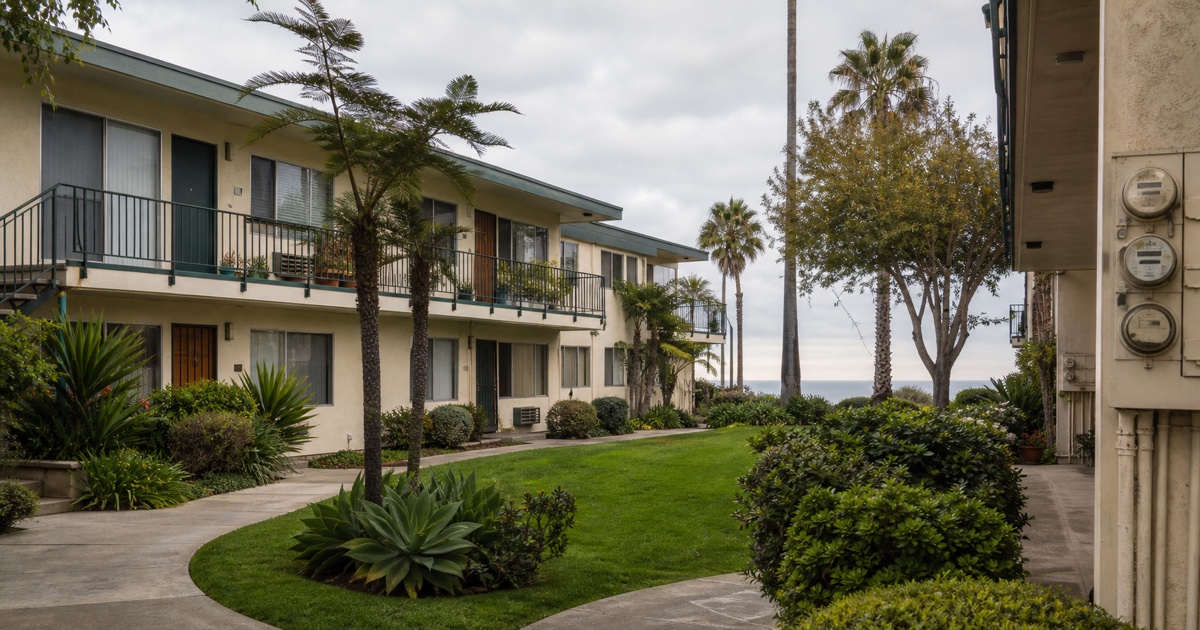
California does not have one universal disclosure packet that is correct for every residential tenancy. Some information belongs in nearly every agreement. Other disclosures depend on property age, flood knowledge, shared meters, smoking policy, a demolition plan, statewide rent-law coverage, or a city ordinance. Federal law adds another layer.
The safest workflow is a property-specific disclosure matrix followed by a signing and delivery record. Attaching every form in a folder can be as unreliable as attaching too few.
The short answer
Before offering or renewing a tenancy, an owner should:
- Confirm the property address, jurisdiction, construction age, ownership, unit type, and regulatory status.
- Identify disclosures required for all qualifying tenancies.
- identify condition-triggered, service-triggered, and local disclosures.
- Confirm any required wording, type size, timing, translation, signature, and delivery method.
- Preserve the completed lease packet and proof of delivery.
A disclosure delivered after signature may not cure a rule requiring delivery before execution.
What to do first
- Do not rely only on the filename or revision date of an old lease form.
- Confirm whether the agreement is new, renewed, amended, or extended.
- Determine whether the property was built before 1978.
- Check whether the owner has actual knowledge of a special flood hazard area, former ordnance location, shared utility condition, pending demolition application, or another triggering fact.
- Determine whether California rent-cap or just-cause notices or exemption language apply.
- Identify any city or county forms, registrations, postings, or tenant notices.
- Confirm the language in which the agreement was negotiated.
- Build an index of every document delivered and the date and method of delivery.
What not to do
- Do not assume a statewide packet satisfies local law.
- Do not use an exemption notice unless the property and owner actually qualify.
- Do not omit a condition-triggered disclosure merely because it is absent from a standard form.
- Do not alter statutory wording casually where the law prescribes text.
- Do not describe a deposit, fee, or service inaccurately to avoid another rule.
- Do not copy proprietary association or legal-research forms onto a public website.
- Do not treat a disclosure as a substitute for correcting an unsafe or uninhabitable condition.
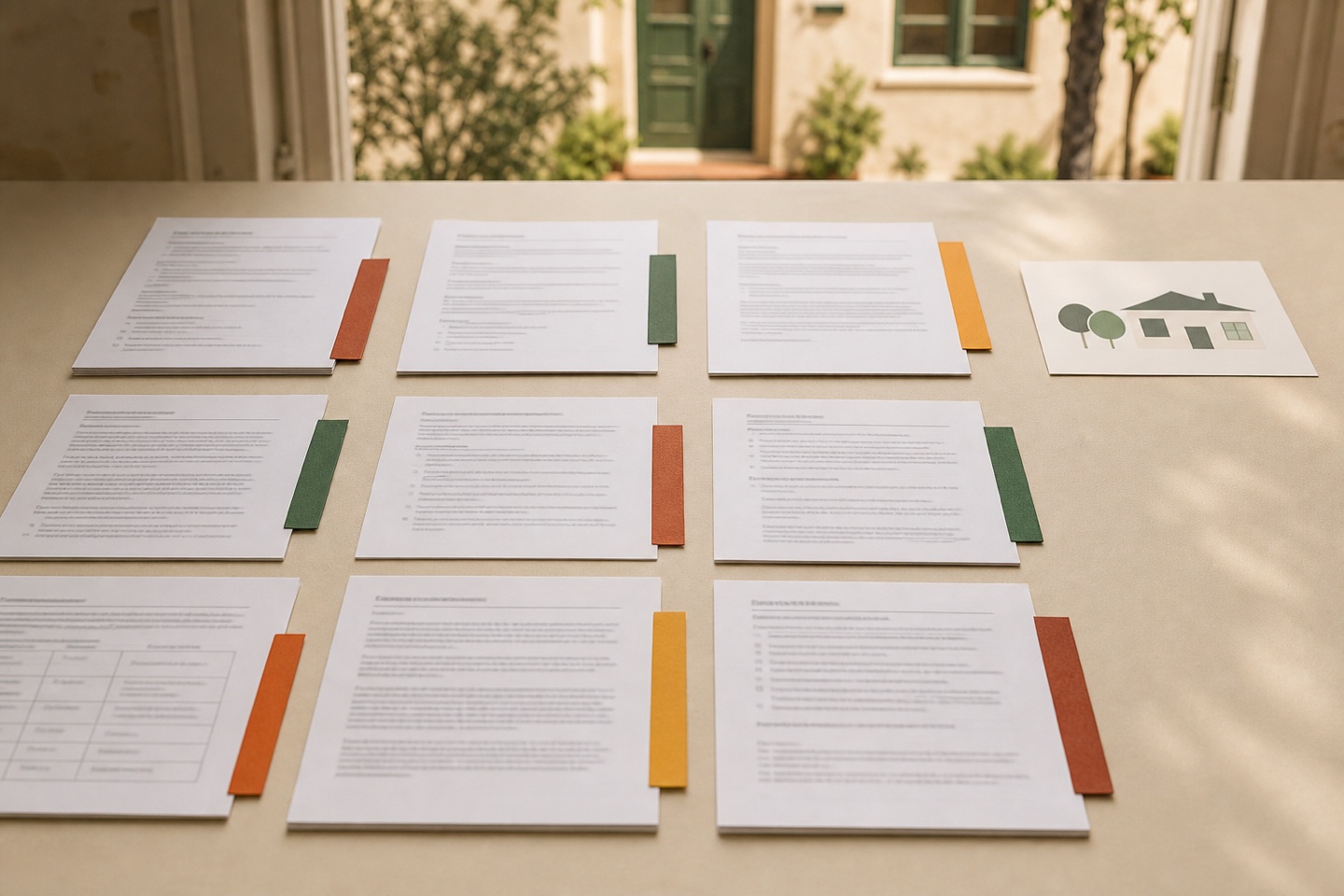
The statewide disclosure framework
The following categories are common starting points. This is not an exhaustive list.
Owner, manager, service, and rent-payment information
Civil Code section 1962 requires specified information about the person authorized to manage the premises, the owner or authorized agent for service and notices, the person or entity receiving rent, payment details, and permitted payment forms. It also generally requires the owner to provide a copy of the executed agreement within 15 days and, on request, another copy once each calendar year.
This information must be kept current. Ownership or management transitions require a separate compliance check.
Bed bug notice
For new residential tenancies, Civil Code section 1954.603 requires a written bed bug notice before creating the tenancy. The statute specifies minimum type size and substantive information, including the reporting procedure.
Megan’s Law database notice
Civil Code section 2079.10a requires specified residential lease or rental agreements to contain the statutory notice concerning California’s registered-sex-offender database. The section includes property-scope and type-size requirements.
Mold booklet
Health and Safety Code section 26148 requires residential landlords to provide the state’s consumer-oriented mold booklet to prospective tenants before the rental agreement. The California Department of Public Health states that the requirement became operative January 1, 2022 and provides the current English and Spanish booklets.
Known mold, dampness, or water-intrusion facts may create obligations beyond distributing the booklet. A disclosure does not replace repair or habitability analysis.
Federal lead-based-paint disclosure
For most pre-1978 housing, federal law requires specified lead disclosures before the tenant is bound, including disclosure of known information and available records and delivery of the federal pamphlet. The U.S. Environmental Protection Agency’s official lead-disclosure page explains the rule and its exceptions.
Property age should be verified rather than estimated. Renovation, repair, and painting work may trigger separate federal requirements.
Property- or condition-triggered disclosures
Flood hazards
For residential leases entered on or after July 1, 2018, Government Code section 8589.45 requires specified disclosures, including whether the property is in a special flood hazard area or area of potential flooding when the owner has actual knowledge. The statute also prescribes additional renter-insurance and hazard-information language and a minimum type size.
Smoking restrictions
When an owner prohibits smoking on any portion of the property, Civil Code section 1947.5 requires qualifying new rental agreements to specify the areas where smoking is prohibited. Local ordinances may impose broader requirements.
Shared gas or electric service
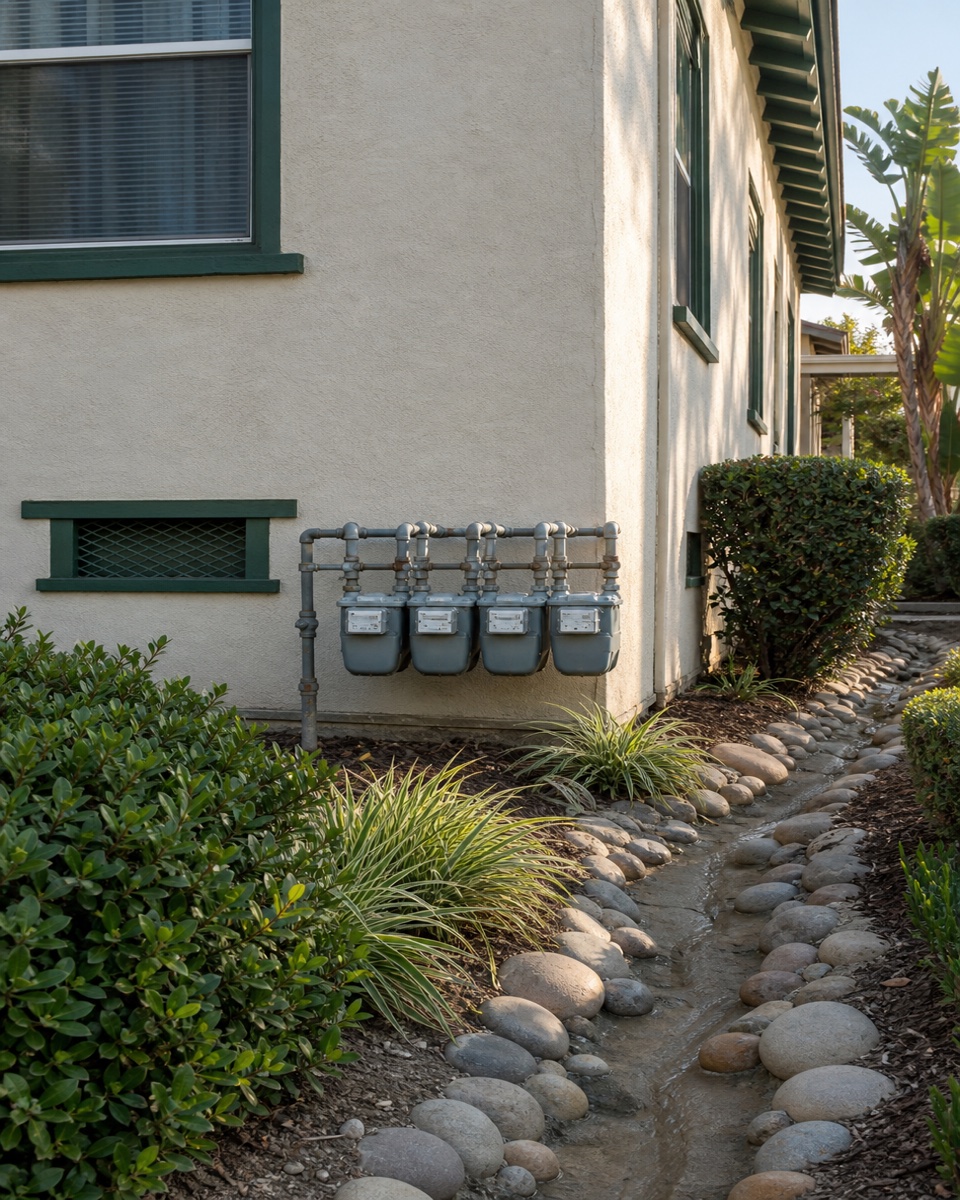
If a tenant’s gas or electric meter also measures service outside the unit and the landlord knows of that condition, Civil Code section 1940.9 requires explicit disclosure and a written payment arrangement before the tenancy begins or upon discovery.
Demolition permit plans
If an owner applies for a permit to demolish a residential unit, Civil Code section 1940.6 requires written notice to prospective and current tenants at specific points. For a prospective tenant, the notice must precede not only the rental agreement but also specified fees and writings that would initiate the tenancy.
Former military ordnance locations
When a residential landlord has actual knowledge of a qualifying former federal or state ordnance location within one mile, Civil Code section 1940.7 requires written notice before execution of the rental agreement.
Structural pest-control treatment
When a registered structural pest-control company performs specified work, Business and Professions Code section 8538 requires the company to provide the owner or agent and tenant with prescribed pesticide information and timing. This is an operational notice that may arise after leasing as well as at the beginning.
Rent-cap, just-cause, and exemption language
Civil Code section 1946.2 contains the statewide just-cause framework and required statutory notice for covered tenancies. Sections 1946.2 and 1947.12 also contain exemption provisions that depend on the property, ownership, and delivery of specified language.
An owner should not use exemption wording as a routine addendum without confirming:
- The property type is eligible.
- The owner’s identity and entity structure qualify.
- The required language and type size are correct.
- The notice is delivered at the required time.
- No local law narrows or replaces the expected result.
Translation and accessible delivery
When a person engaged in business negotiates primarily in Spanish, Chinese, Tagalog, Vietnamese, or Korean, Civil Code section 1632 may require a translation before execution for a residential tenancy agreement longer than one month. The analysis turns on how the agreement was negotiated, not merely the language the owner prefers to use.
Separate federal, state, local, or program rules may require language access, accessible communication, or alternate formats.
Local overlay check
Orange, Los Angeles, and San Diego County properties may be subject to city or county requirements involving:
- Rent registration or certificates.
- Rent-control and just-cause notices.
- Relocation and buyout disclosures.
- Inspection or code-enforcement programs.
- Tenant-rights postings.
- Short-term lodging licenses and operating notices.
- Smoking restrictions.
- Local contact or service information.
Verify the actual jurisdiction before selecting a local form. A postal city is not always the governing municipality.
A practical owner workflow
1. Create a property profile
Record the address, assessor information, jurisdiction, construction year, unit count, ownership, owner occupancy, utilities, services, known hazards, subsidy status, and planned use.
2. Create a tenancy profile
Record whether the agreement is new, renewed, amended, or extended; the proposed term; negotiation language; occupants; payment structure; deposit; parking; furnishings; pets; and special arrangements.
3. Build the disclosure matrix
For each potential document, record the trigger, official authority, required wording or form, timing, signature requirement, delivery method, and proof retained.
4. Assemble and quality-check the packet
Remove inconsistent versions, check names and addresses, verify attachments, and make sure the lease does not contradict an addendum.
5. Preserve the record
Keep the complete executed packet, delivery evidence, translations, acknowledgments, photographs, and later updates in one accessible tenancy file.
When legal review is worthwhile
Review is especially useful for older forms, a new property, unusual ownership, pre-1978 housing, shared utilities, known hazards, furnished rentals, local rent-control jurisdictions, a planned demolition or remodel, subsidized housing, and agreements negotiated in another language.
Law Laguna can produce a property-specific disclosure matrix, review the lease packet, identify open facts, and prepare a clean signing checklist. The goal is not more paper. It is the right paper, delivered correctly, with a record that can be understood later.
Related services and guides
- Legal services for California rental-property owners
- Residential Lease Drafting and Review
- Ongoing Landlord Counseling and Compliance
- Tenant Screening, Applications, and Screening Fees
- Security Deposits for California Landlords
- Mold, Lead, Asbestos, and Toxic Conditions
- AB 1482 Exemptions and Property Coverage
- Local Landlord Law Center
Questions property owners often ask
Is there one California disclosure packet for every rental?
No. Some notices are broadly applicable, while others depend on property age, known conditions, services, ownership, regulatory status, local law, or the contemplated transaction.
Must the mold booklet be provided even if the owner has never seen mold?
The CDPH booklet requirement applies to prospective residential tenants independently of a known mold problem. Known dampness or mold may require additional analysis and remediation; the booklet is not a release from habitability duties.
Does lead disclosure apply to every rental built before 1978?
Federal law covers most pre-1978 target housing but includes exceptions. Owners should verify the property and the rule rather than rely only on the construction year.
Is a tenant’s signature always required for a disclosure?
It depends on the authority. Some laws prescribe placement in the lease, acknowledgment language, type size, or delivery timing; others focus on providing information. A signing checklist should identify what evidence will establish compliance.
Can disclosures be emailed?
Sometimes, but electronic delivery and signature rules depend on the document, consent, applicable law, and the owner’s record system. Do not assume email satisfies a requirement that calls for a particular form or method.
What if the lease was negotiated in Spanish but written in English?
Civil Code section 1632 may require a Spanish translation before execution for a qualifying residential agreement. The negotiation history, agreement term, parties, and statutory exceptions should be reviewed.
Do local disclosures replace state disclosures?
Generally, local requirements add another layer. A local form should not be treated as a substitute for federal or California documents unless the governing law expressly provides that result.
Can Law Laguna provide a reusable packet for multiple properties?
Law Laguna can develop a core packet and property-specific schedules, but each property and jurisdiction should be mapped. A portfolio system should make differences visible instead of hiding them.
Official legal sources
Official starting points include the California statutes linked above, the California Department of Public Health mold resources, and the EPA lead-disclosure rule page.
This page is an issue map, not a complete disclosure list. Statutory wording, forms, effective dates, and local requirements must be checked for the particular property and tenancy.
Laws and local procedures change. This page is general information, not legal advice.
Build the packet from verified facts
Law Laguna can review the property, tenancy, proposed agreement, and local overlay and deliver a disclosure matrix and signing plan.
Official sources used for this page
- leginfo.legislature.ca.gov — source 1
- leginfo.legislature.ca.gov — source 2
- leginfo.legislature.ca.gov — source 3
- leginfo.legislature.ca.gov — source 4
- leginfo.legislature.ca.gov — source 5
- cdph.ca.gov — source 6
- epa.gov — source 7
- leginfo.legislature.ca.gov — source 8
- leginfo.legislature.ca.gov — source 9
- leginfo.legislature.ca.gov — source 10
- leginfo.legislature.ca.gov — source 11