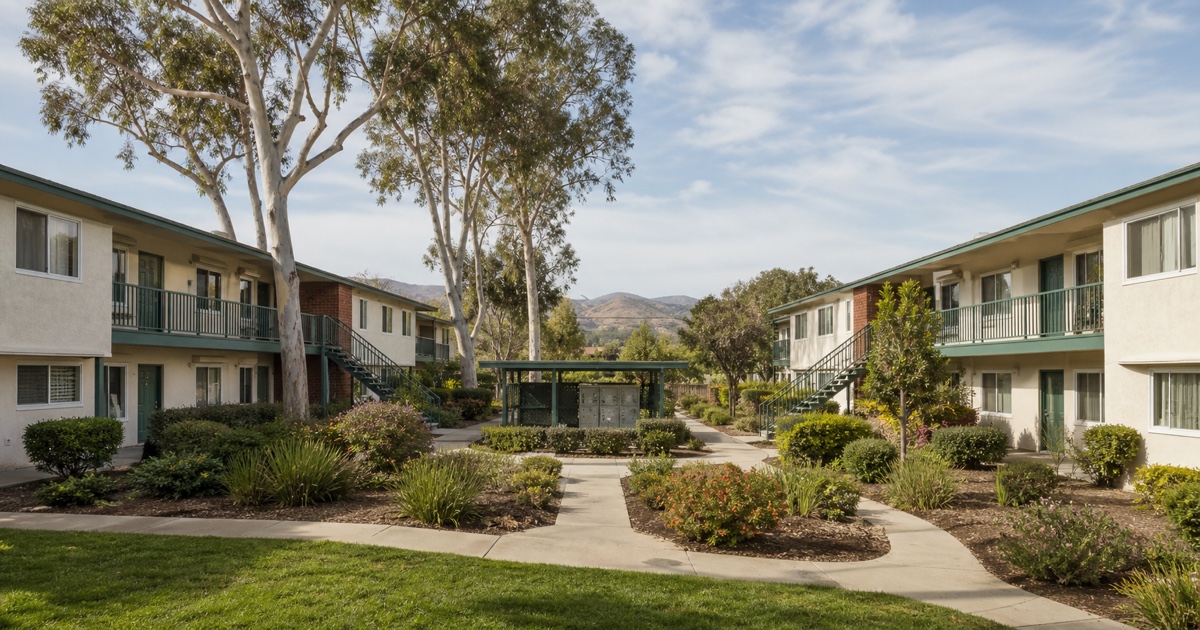
For covered property, the Residential Tenant Protection Ordinance can affect:
- Required lease and exemption notices.
- Just-cause termination.
- Owner and family occupancy.
- Substantial remodel and demolition.
- No-fault notice content.
- City filing within three business days.
- Relocation based on contract rent or HUD Small Area Fair Market Rent.
- Offer-back rights.
- Harassment and retaliation.
- Remedies for noncompliance.
The ordinance was amended in February 2024 to align with California SB 567. Use the current code, not the original 2022 ordinance packet.
Confirm City jurisdiction and property category
A Chula Vista mailing address does not always resolve the municipal boundary. Confirm the parcel and then classify the rental.
Chapter 9.65 treatment can differ for:
- A unit in a residential rental complex.
- A separately alienable single-family home or condominium.
- An owner-occupied residence with limited room or unit rental.
- An owner-occupied duplex.
- Newer housing.
- Deed-restricted or subsidized housing.
- Institutional or transient housing.
- A mobilehome or mobilehome park.
California law may apply when a local exemption does. Analyze both systems.
Required notice for covered property
The City publishes a Notice of Tenant Protections for property subject to Chapter 9.65.
For a tenancy commencing or renewing on or after March 1, 2023, the City states that the notice must be:
- Included as an addendum to the lease or rental agreement; or
- Provided as a written notice signed by the tenants, with a copy delivered to them.
The current form explains:
- California limits covered rent increases.
- A termination notice must state cause.
- Elderly or disabled tenants may have additional protections.
Use the City’s current multilingual form or a legally sufficient equivalent. Preserve delivery and signatures.
Required notice for an exempt property
The City also publishes a separate prescribed notice for qualifying property exempt from both specified state rent and just-cause limits and Chapter 9.65.
The notice is not a box-checking exercise. Verify:
- Property type.
- Whether the unit is separately alienable.
- Title and entity ownership.
- Whether a real estate investment trust, corporation, or LLC with a corporate member owns the property.
- Owner occupancy.
- Unit configuration.
- Tenancy and renewal date.
- State and local wording.
Use the current exact statement and applicable translation.
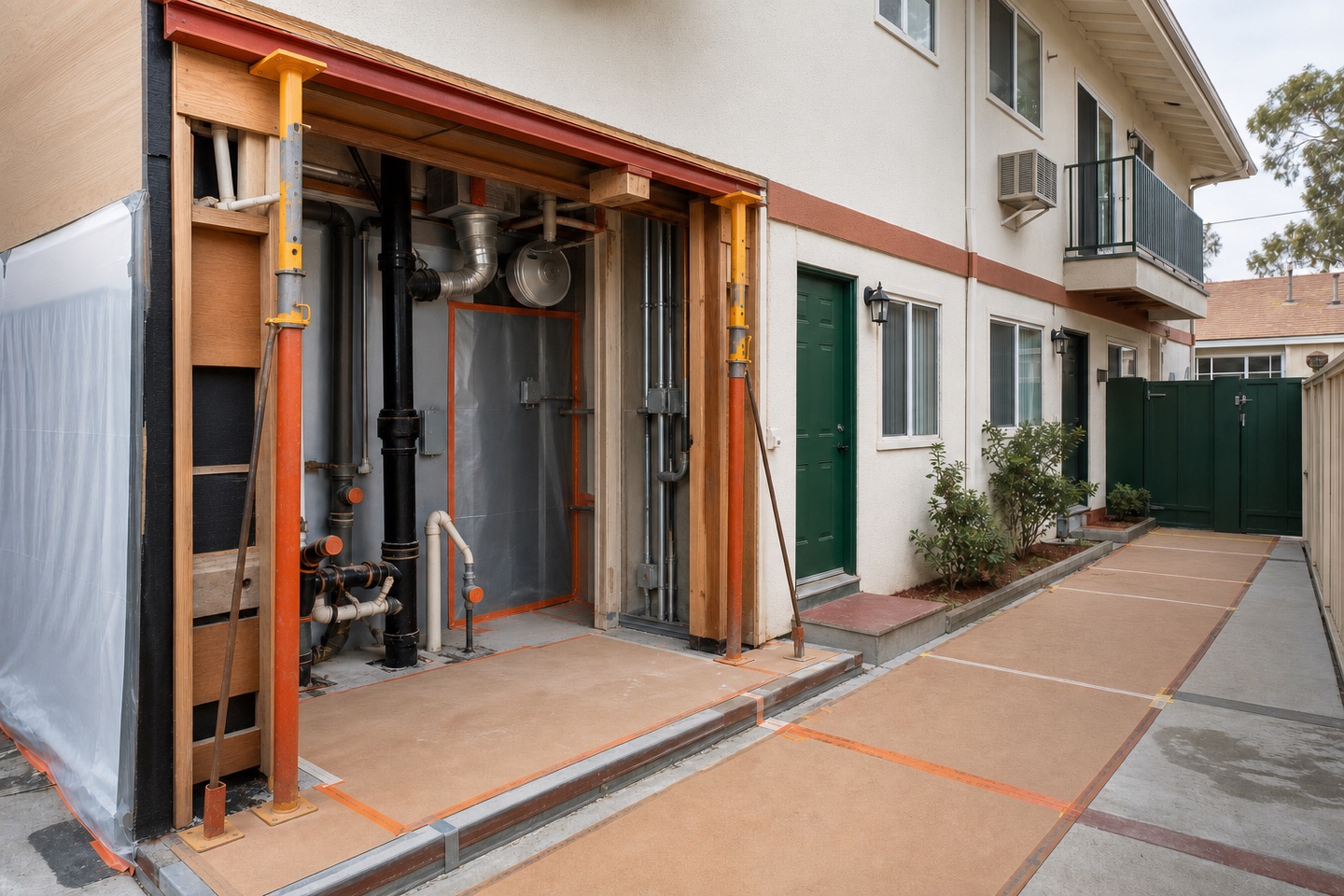
Just cause applies to covered tenancies
Chapter 9.65 recognizes at-fault and no-fault grounds.
At-fault grounds
Potential grounds can include:
- Nonpayment.
- A material lease breach.
- Nuisance or waste.
- Criminal or unlawful use.
- Unapproved subletting.
- Refusal of lawful access.
- Refusal to renew on qualifying similar terms.
- Failure to vacate after a tenant’s written commitment.
For a curable breach, give the required written description and cure opportunity before a final termination notice.
Review the lease, evidence, registration and notice history, habitability, retaliation, accommodation, waiver, service, and California law.
No-fault grounds
Potential grounds include:
- Owner or qualifying-family occupancy.
- Withdrawal from the rental market.
- Compliance with a government or court order.
- Demolition.
- Qualifying substantial remodel.
Each ground has detailed eligibility, notice, relocation, filing, and follow-through requirements.
No-fault notices require more than a move-out date
A covered no-fault notice should be reviewed for:
- Correct 30- or 60-day period under state law.
- At least 12-point type where required.
- Specific basis.
- Ground-specific facts and documents.
- Relocation right and amount.
- Direct-payment or rent-waiver method.
- Payment timing.
- Offer-back rights.
- Tenant contact procedure.
- Required City filing.
Strict compliance matters. A defective local notice can be void.
File the no-fault notice with the City
Chula Vista’s administrative regulations require an owner to notify the City within three business days after serving a covered no-fault termination notice.
This applies to no-fault grounds such as:
- Owner or family occupancy.
- Government or court order.
- Withdrawal.
- Substantial remodel.
- Complete demolition.
The City’s current process requests:
- Property address.
- Owner name and contact information.
- Total units in the complex.
- Units vacant at the time of notice.
- Number of termination notices.
- Contract rent for affected tenancies.
- Copies of the termination notices.
Use the current online Mandatory Owner Notice to City form. Preserve the submission and City acknowledgment.
At-fault termination does not currently require this Chapter 9.65 City report under the administrative regulations, though other filing or program duties may apply.
Relocation for a residential rental complex
For a covered no-fault termination in a property the City defines as a “residential rental complex,” compare two months of the tenant’s actual rent with two months of the current HUD Small Area Fair Market Rent for the ZIP code; the owner generally owes the higher amount.
- Two months of the HUD Small Area Fair Market Rent for the unit’s ZIP code; or
- Two months of the actual contract rent in effect when notice is issued.
For an elderly or disabled tenant, the multiplier becomes three months.
The owner may generally use:
- A direct payment; or
- A qualifying written rent waiver.
The City’s public page still links an FY2024 HUD table. Do not use that old table for a 2026 notice. Retrieve the current HUD Small Area Fair Market Rent for the ZIP code and effective date.
Relocation outside a residential rental complex
If the City does not classify the property as a “residential rental complex,” a different relocation rule may apply, including California’s one-month framework. Confirm the property category before calculating or promising payment.
Do not assume the enhanced HUD comparison applies to every rental merely because Chapter 9.65 is mentioned. Determine:
- Property and unit category.
- Local coverage.
- State coverage.
- Tenant status.
- Which relocation rule is more protective and controlling.
Owner and family occupancy
Before service, verify:
- Qualifying owner and family relationship.
- Ownership interest and entity structure.
- Lease language.
- Whether a similar vacant unit is available.
- Good-faith primary-residence intent.
- Move-in deadline.
- Minimum occupancy.
- No-fault notice and City filing.
- Relocation.
- Offer-back and damages if the plan changes.
Create an evidence file before making a representation to the tenant.
Substantial remodel
The project should satisfy current California and Chula Vista definitions and administrative rules.
Review:
- Structural, electrical, plumbing, mechanical, or hazardous-material work.
- Required permits.
- Whether the work can be performed safely with the tenant in place.
- Required vacancy duration.
- Scope and construction valuation.
- Temporary rather than permanent relocation alternatives.
- Notice language and attachments.
- City filing.
- Relocation calculation.
- Right to return or offer back.
- Start and completion evidence.
Cosmetic work, ordinary repairs, or a preference for an empty unit does not establish substantial remodel.
Offer-back obligations
Current Chula Vista materials describe an offer-back process when a unit in a residential rental complex is offered again for residential rent within two years after specified no-fault displacement.
The tenant generally must:
- Notify the owner in writing within 30 days after the termination notice that the tenant wants an offer.
- Provide an address for the offer.
- Keep contact information current.
Calendar the two-year period and preserve all contact updates, the written offer, screening criteria, response, and resulting tenancy or rejection.
Anti-harassment and retaliation
Chapter 9.65 prohibits defined harassment and retaliation.
Owner risk can arise from:
- Withholding repairs or services to cause a move.
- Abuse of access.
- Threats or knowingly false statements.
- Selective refusal of rent.
- Repeated pressure.
- Interference with protected activity.
- Discriminatory enforcement.
Keep communications accurate, professional, documented, and connected to a lawful operational need.
Rent increases
Chula Vista does not create a separate general local rent ceiling in Chapter 9.65. California Civil Code section 1947.12 can limit increases for covered property.
Before an increase, review:
- State coverage and exemption notice.
- Current San Diego-area CPI cap.
- Lowest rent in the prior 12 months.
- Prior increases.
- Notice period.
- Mandatory fees and services.
- Subsidy rules.
- Emergency price-gouging restrictions.
Do not confuse the HUD Small Area Fair Market Rent used in local relocation with the California rent-increase cap.
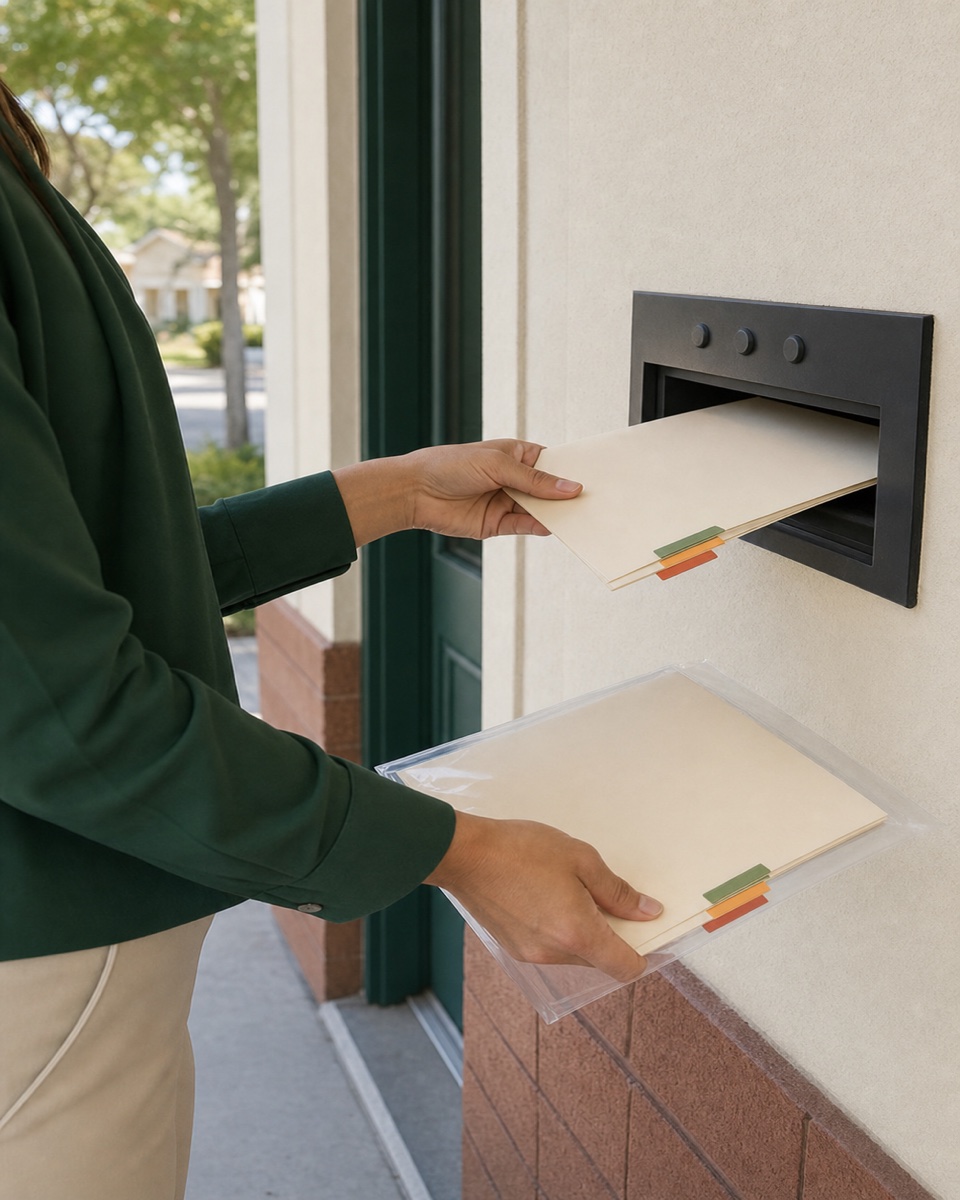
Multifamily inspection and code enforcement
Chula Vista proactively inspects multifamily rental housing and enforces building, health, safety, mold, exterior-elevated-element, mobilehome, and zoning requirements.
Maintain:
- Inspection and code notices.
- Tenant repair requests.
- Entry notices.
- Contractor and permit records.
- SB 721 reports.
- Photographs and invoices.
- Compliance and closure evidence.
Habitability and retaliation issues can become defenses in a termination matter.
Acquisition diligence
A buyer should obtain:
- Title and entity documents.
- Legal unit and occupancy history.
- Leases and tenant roster.
- Covered or exempt City notices.
- AB 1482 notices.
- Rent and deposit history.
- Termination, relocation, and City-submission records.
- Remodel, demolition, and permit records.
- Offer-back obligations and tenant contact information.
- Code and inspection records.
The purchase agreement should allocate unresolved compliance, relocation, claims, and post-closing obligations.
Common Chula Vista owner mistakes
Using only an AB 1482 notice
Chapter 9.65 has City-specific covered and exempt notices.
Paying two months of the tenant’s below-market rent without checking HUD
For a covered residential rental complex, current City law uses the greater of actual rent or the applicable Small Area Fair Market Rent.
Using an old HUD chart
The effective year and ZIP code matter. Verify the current HUD source.
Serving a no-fault notice without City filing
Submit the Mandatory Owner Notice within three business days and preserve confirmation.
Calling ordinary renovation a substantial remodel
Permits, work type, safety, vacancy duration, and current state and City definitions control.
How Law Laguna can help you move forward
Depending on scope, Law Laguna can:
- Determine Chula Vista and California coverage.
- Review or prepare covered and exempt lease notices.
- Analyze at-fault and no-fault grounds.
- Review termination wording, evidence, and service.
- Calculate and document relocation.
- Prepare the City filing package.
- Review owner occupancy or substantial-remodel strategy.
- Create an offer-back calendar.
- Review inspection and code issues.
- Conduct tenant-occupied transaction diligence.
- Organize a matter for litigation counsel if a filed action is required.
Related guidance
- San Diego County landlord law for property owners
- California Tenant Protection Act and AB 1482
- No-fault terminations, relocation, and tenant buyouts in California
Questions property owners often ask
Does Chula Vista’s ordinance apply from the beginning of a tenancy?
The local ordinance is broader than California’s 12-month just-cause trigger in important respects. Confirm the property, tenancy, and current Chapter 9.65 provisions rather than assuming a grace period.
Must owners give a City tenant-protection notice?
Yes. The City publishes separate forms for covered and qualifying exempt property, with delivery requirements for new and renewed tenancies.
How much no-fault relocation is due?
For a covered unit in a residential rental complex, generally the greater of two months’ actual rent or two months’ current HUD Small Area Fair Market Rent, increased to three months for an elderly or disabled tenant. Other property types can have a different rule.
Must the owner report a no-fault notice?
Yes. Current City regulations require submission within three business days after service.
Does the City filing approve the eviction?
No. Filing supplies data and notice to the City. The owner remains responsible for legal coverage, ground, notice, relocation, service, and follow-through.
Does Law Laguna litigate Chula Vista evictions?
The firm focuses on assessment, compliance, notices, documents, negotiation, and pre-litigation strategy. If a lawsuit is required, Law Laguna can organize the file for appropriate litigation counsel. The written engagement controls scope.
Review the local process before service
Bring the address, title, unit history, lease, City and AB 1482 notices, tenancy history, ledger, evidence, tenant status, current HUD data, permits, project plan, City submissions, and proposed timeline.