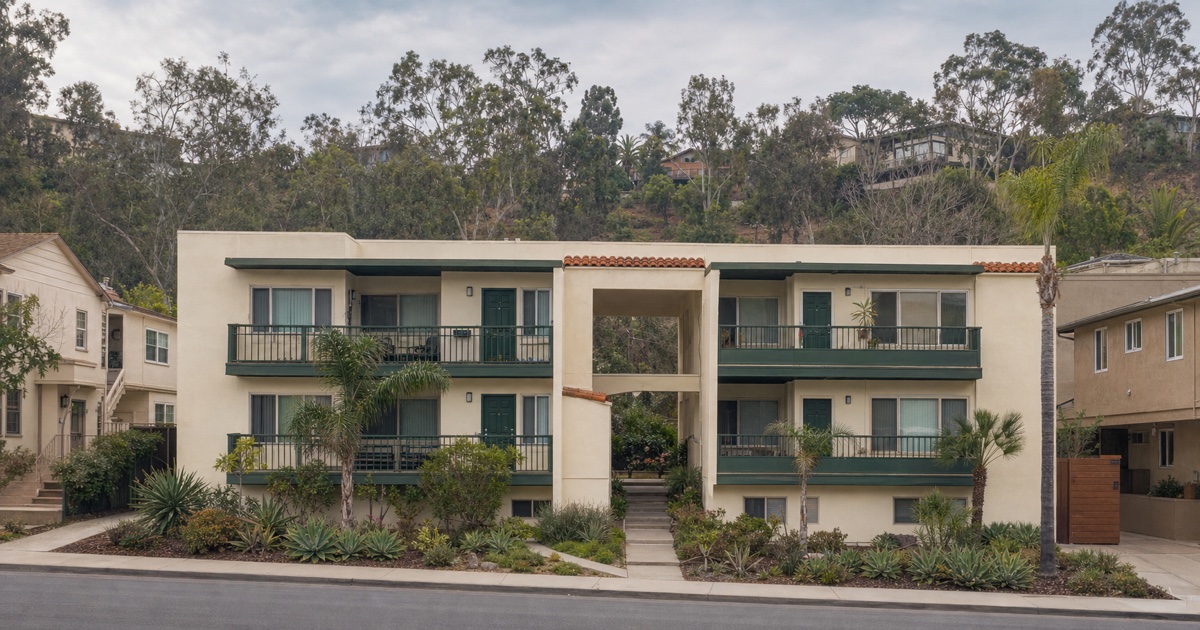
For a covered property, the ordinance can affect:
- When just cause is required.
- Which at-fault and no-fault reasons are available.
- What the owner must deliver with the lease or renewal.
- What a termination notice must contain.
- Which notices must be reported.
- Relocation assistance.
- Tenant buyouts.
- Anti-retaliation rules.
- Defenses and remedies.
An owner should review the City ordinance before serving a termination notice, promising a remodel or move-in timeline, or making a buyout offer.
Verify City jurisdiction first
The City of San Diego ordinance does not apply automatically throughout San Diego County.
Before using this page:
- Confirm the parcel is inside the City of San Diego.
- Identify property type and unit configuration.
- Review ownership and owner-occupancy facts.
- Identify certificate-of-occupancy timing.
- Review subsidy or regulatory status.
- Confirm the tenancy and notices.
- Check the current municipal code, official guide, and implementation portal.
Chula Vista maintains a separate Residential Tenant Protection Ordinance. Other cities may follow the California baseline or add narrower local rules.
Current official sources
The City of San Diego adopted Ordinance O-21647 in 2023 and amended its system through O-21769 in 2024 to coordinate with changes to California Civil Code section 1946.2.
The San Diego Municipal Code provisions are the controlling local text.
The City of San Diego Tenant Protection Guide, updated July 2025, is an official educational and notice resource. The guide itself states that the ordinance controls if the guide appears to vary from the enacted law.
Coverage and exemptions
The ordinance applies according to detailed property and tenancy rules.
The official guide identifies exclusions or exemptions that can include:
- Transient or tourist accommodations.
- Short-term residential occupancy.
- Certain regulated or subsidized housing.
- Mobilehome situations governed by other law.
- Specified care, religious, nonprofit, transitional, and educational housing.
- Owner-tenant sharing of kitchen or bathroom facilities in the owner’s principal residence.
- A single-family residence occupied by the owner as a principal residence.
- A two-unit structure where the owner occupies one unit as a principal residence.
- Housing with a sufficiently recent certificate of occupancy.
- Certain separately alienable property when ownership and required notice conditions are satisfied.
That list is not a substitute for reading the current code.
An owner should preserve:
- Property and construction records.
- Ownership records.
- Owner-occupancy evidence.
- Required exemption language.
- Lease and renewal documents.
- Proof of delivery.

Just cause
The City ordinance recognizes at-fault and no-fault grounds.
At-fault issues
Potential grounds described in the current official material include:
- Nonpayment.
- Material lease violation.
- Nuisance.
- Waste or substantial damage.
- Refusal to renew on substantially similar terms.
- Specified criminal conduct.
- Unlawful use.
- Subletting breach.
- Refusal of lawful entry.
- Employee or agent occupancy ending with employment.
- Failure to return possession after the tenant’s own notice.
The owner still must establish the particular ground, satisfy notice requirements, and comply with state and local law.
No-fault issues
Potential no-fault grounds include:
- Owner or qualifying relative occupancy.
- Withdrawal from rental use.
- Government or court order.
- Qualifying substantial remodel or demolition.
No-fault matters require additional planning, documentation, relocation, and follow-through.
Required tenant-protection notice and guide
The City ordinance requires owners to provide specified information about local tenant protections.
For a new or renewed tenancy, the owner should verify:
- Current notice language.
- Required font or presentation.
- Whether the official Tenant Protection Guide must be included.
- Lease or addendum treatment.
- Tenant signature or acknowledgment.
- Language and translation requirements.
- Record retention.
Do not rely on a lease package created before the ordinance or before the 2024 amendments without current review.
Termination-notice reporting
The ordinance creates a termination-notice registry to be administered by the San Diego Housing Commission, but the reporting duty begins only after the portal is activated and publicly announced. Confirm the registry’s status before serving a notice.
The owner should confirm:
- Whether the registry is currently active for the notice type.
- The trigger date.
- At-fault or no-fault reporting.
- Filing deadline.
- Information and documents required.
- Proof of submission.
- Effect of noncompliance.
Do not assume that service on the tenant completes the local process.
Owner and family move-in
Before serving a move-in notice, review:
- Property and tenancy coverage.
- Proposed occupant.
- Qualifying relationship.
- Whether another suitable unit is available.
- Good-faith intent.
- Notice content.
- Guide delivery.
- City reporting.
- Relocation.
- Required occupancy timing and duration.
- Re-rental restrictions.
The actual occupancy plan should exist before the notice is served.
Substantial remodel and demolition
The owner should identify:
- Exact scope.
- Permits.
- Structural, electrical, plumbing, mechanical, or hazardous-material work.
- Whether the tenant can remain safely.
- Required continuous vacancy.
- Notice and supporting documents.
- Relocation.
- City reporting.
- Construction timing.
- Return or re-rental rights.
Cosmetic improvements and work that can be completed safely with the tenant in place should not be labeled substantial remodel merely to obtain possession.
Relocation assistance
The City ordinance requires relocation assistance in covered no-fault matters.
The official guide describes:
- Direct payment tied to actual rent.
- Additional treatment for qualifying senior or disabled tenants.
- Timing.
- Notice.
- Alternative relocation arrangements in defined circumstances.
- Remedies for nonpayment.
The current amount and method should be verified from the ordinance and official implementation material for the tenant and notice at issue.
Tenant buyouts
San Diego regulates buyout offers and agreements.
Before discussing money for a voluntary move-out, review:
- Required pre-offer disclosure.
- Tenant’s right to refuse.
- Translation.
- Execution.
- Copy delivery.
- Five-year record retention described in the official guide.
- Consideration relative to required relocation.
- Waiver restrictions.
- Anti-retaliation and anti-harassment rules.
The official guide states that a buyout for less than required relocation is invalid for covered matters. Verify the current ordinance and calculation before making an offer.
Enforcement risk
The ordinance creates meaningful consequences for noncompliance.
The official guide describes:
- City enforcement.
- Private claims.
- Injunctive or equitable relief.
- Damages.
- Potential enhanced liability.
- Attorney-fee exposure in specified circumstances.
- Affirmative defenses.
- A rule that noncompliance can void a required termination notice.
Treat City compliance as part of proving the right to possession, not as paperwork to finish after the notice is served.
Rent increases
The City tenant-protection ordinance does not replace the California rent-cap analysis.
Before increasing rent, review:
- Civil Code section 1947.12 coverage.
- Property exemption.
- Required exemption notice.
- Current cost-of-living period.
- Existing rent and prior increases.
- Lease term.
- Notice period.
- Subsidized-housing or affordability restrictions.
- Emergency rules.

Fair housing and source of income
The owner’s City compliance process must also account for:
- Federal fair housing.
- California protected classes.
- Source of income.
- Housing vouchers.
- Disability accommodations.
- Assistance animals.
- Reasonable modifications.
- Retaliation.
An enforcement decision may need to pause for a fair-housing analysis when the tenant raises a disability-related request.
Unlawful detainer in San Diego Superior Court
If the tenant does not leave after a legally sufficient termination process, possession generally requires a court judgment and sheriff enforcement.
The San Diego Superior Court landlord-tenant page currently directs unlawful-detainer filing to the Central Division at the Hall of Justice. Current Judicial Council forms, local packets, electronic-filing requirements, fees, department procedures, and hearing information should be verified before filing.
A defect under the City ordinance may become a defense in the possession case.
Common City of San Diego owner scenarios
An owner wants to terminate a post-2008 tenancy
Do not assume that newer construction resolves everything. Confirm the certificate-of-occupancy date, property type, ownership, required exemption notice, state law, local ordinance, and tenancy facts.
A tenant stops paying rent
Review the ledger, rent and fee terms, tender history, current notice law, local reporting, habitability, retaliation, source of income, subsidy rules, and the 2026 hardship procedure.
An owner plans to remodel
Review the actual permitted work, tenant safety, continuous vacancy, state and local substantial-remodel definition, notice, guide, reporting, relocation, and later construction and re-rental conduct.
A tenant proposes a cash-for-keys amount
A tenant counteroffer does not eliminate the local buyout framework. Review required disclosures, relocation minimums, language, execution, copy delivery, retention, and waiver restrictions.
A buyer wants to occupy a unit after closing
Review the current lease, state and local just cause, property coverage, proposed occupant, relocation, notice timing, seller representations, and actual post-closing occupancy plan.
How Law Laguna can help you move forward
Depending on scope, Law Laguna can:
- Confirm City jurisdiction.
- Assess state and City coverage.
- Review leases, exemption notices, and tenant-protection material.
- Review a rent, repair, access, accommodation, deposit, or occupancy issue.
- Assess an at-fault or no-fault theory.
- Review a proposed termination, relocation, or buyout.
- Review or prepare pre-litigation communications and documents within scope.
- Help respond to a tenant demand.
- Review a tenant-occupied transaction.
- Organize the file for litigation counsel when a filed action is required.
Rickson Galvez’s preferred work is counseling, documents, compliance, negotiation, and pre-litigation strategy. This service-area page does not imply a San Diego physical office or promise a court appearance.
Related guidance
- San Diego County landlord law for property owners
- Pre-Litigation Eviction and Possession Assessment
- California Tenant Protection Act and AB 1482
Questions property owners often ask
Does the San Diego ordinance apply to every rental in the City?
No. The ordinance contains detailed exemptions and coverage rules. Property type, owner occupancy, age, ownership, subsidy status, notices, and tenancy facts matter.
Must a landlord give the Tenant Protection Guide?
Covered owners must provide specified local tenant-protection material according to the ordinance’s current timing and method. Verify the current guide, notice, lease/addendum treatment, and proof of delivery.
Must termination notices be reported?
The City ordinance establishes reporting for defined notices through the applicable registry process. Confirm current activation, notice type, deadline, documents, and proof before serving.
How much relocation is required?
The current official guide describes relocation tied to actual rent and additional treatment for certain senior or disabled tenants. The amount and payment method must be calculated under the current ordinance for the specific notice.
Can a buyout be less than relocation?
The official guide states that a covered buyout for less than required relocation is not valid. Verify current coverage, relocation, disclosure, translation, execution, and retention rules before making an offer.
Can local noncompliance defeat an eviction?
Yes. The ordinance states that noncompliance can void a required termination notice and can be raised as a defense. The specific violation and current law require review.
Does Law Laguna litigate San Diego eviction cases?
The firm focuses on counseling, documents, compliance, negotiation, and pre-litigation strategy. If a filed case is required, Law Laguna can help prepare an organized transition to appropriate litigation counsel. No court appearance is promised unless included in a written engagement.
Review the San Diego tenancy before serving or promising
Bring the property address, ownership and unit facts, certificate-of-occupancy information, lease, exemption and tenant-protection notices, tenancy history, proposed ground, permits, relocation calculation, communications, and deadline.