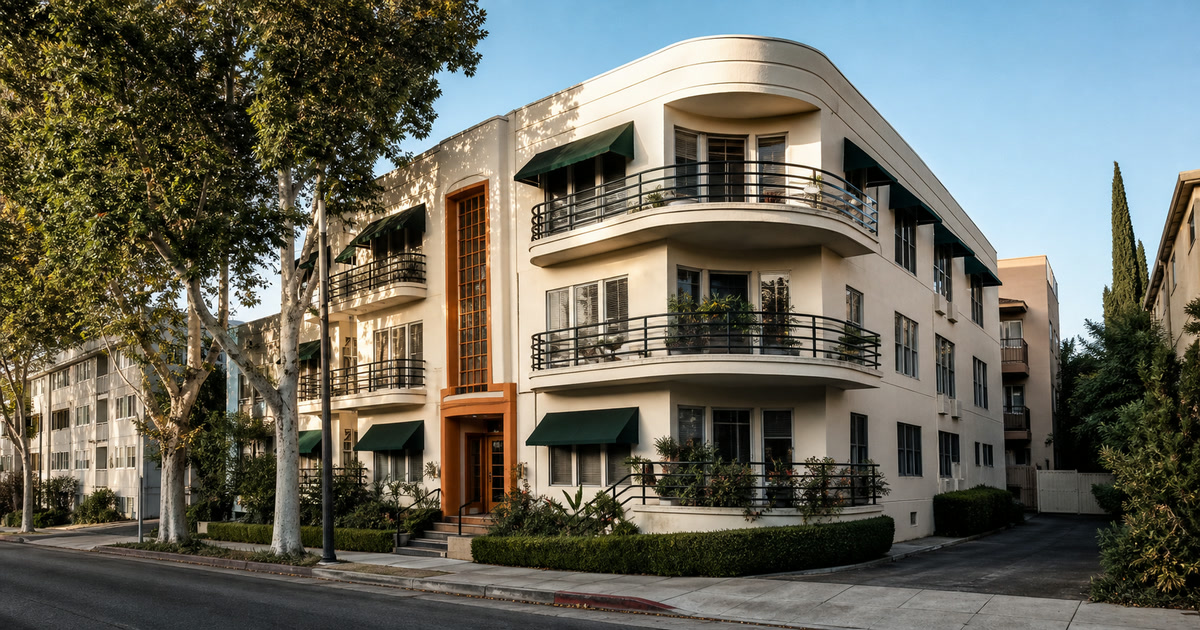
The City’s Rent Stabilization Ordinance can regulate:
- Property and tenancy registration.
- Maximum allowable rent.
- Annual rent adjustments.
- Housing services and maintenance.
- Just-cause termination.
- Temporary and permanent relocation.
- Owner occupancy and withdrawal.
- Tenant buyout agreements.
- Administrative hearings and remedies.
The City also registers many rental units that are not subject to local rent limits. State law, fair housing, habitability, lease terms, and local tenant protections remain separate layers.
Start with the certificate of occupancy and unit history
West Hollywood states that rental units in buildings receiving a certificate of occupancy before July 1, 1979 are generally subject to the full Rent Stabilization Ordinance.
Confirm:
- City boundary.
- First certificate of occupancy.
- Property and unit configuration.
- Lawful unit count.
- Conversion, replacement, and ADU history.
- Title and ownership.
- Current and prior registration.
- Tenancy start date.
- Exemption or non-controlled status.
A newer building may be exempt from the local rent ceiling but still subject to California’s rent cap, local just-cause rules, registration, and other obligations.
Controlled and non-controlled units may both need registration
The City requires registration of covered rental property and re-registration of a new tenancy.
Current City guidance states:
- New tenancies in covered units must be registered within 30 days.
- The owner must update the City when ownership changes.
- Annual registration fees must be paid.
- Most non-rent-controlled rental units are also subject to a registry and tenancy re-registration.
- Failure to register can prevent use of available rent increases and other ordinance provisions and can lead to penalties.
Preserve:
- Property registration.
- New-tenancy registration.
- Tenant move-in date.
- Initial rent.
- Housing services.
- Ownership and management changes.
- Fee payment.
- Exemptions and supporting documents.
- Portal confirmation.
Maximum Allowable Rent is unit specific
The City administers a Maximum Allowable Rent, or MAR, for each rent-stabilized unit.
The calculation can depend on whether the current tenancy began:
- Before 1996.
- From January 1, 1996 through December 31, 1998.
- On or after January 1, 1999.
For many post-1998 tenancies, the initial rent after a qualifying vacancy establishes the new MAR. Re-registration documents that rent and the housing services included at move-in.
A vacancy does not always let the owner reset the rent to market. If the tenancy ended through a no-fault termination, withdrawal, government order, or another involuntary event, confirm the lawful next rent before offering the unit again.
Before increasing or setting rent, verify:
- The current MAR with the City.
- Tenancy date and registration.
- Prior increases.
- Housing services.
- The nature of the prior vacancy.
- State rent-cap coverage.
- Any hearing decision or rent reduction.

Annual General Adjustment
The City’s public Rent Stabilization page currently lists a 2.25 percent Annual General Adjustment for September 1, 2025 through August 31, 2026.
The City states that an owner generally may apply the annual adjustment when:
- Initial registration is complete.
- The current tenancy was re-registered if required.
- Annual registration fees are paid.
- At least 12 months have passed since move-in or the prior annual adjustment.
- Proper written notice is given.
The Annual General Adjustment runs on a September 1–August 31 cycle. If an owner does not use an allowed increase during the permitted period, the increase may expire instead of carrying forward. Confirm the tenancy and current regulations before serving notice.
Verify the City’s official 2026–2027 announcement and form before serving notice. Do not project a rate from inflation data.
Annual registration fee and tenant portion
The City currently states:
- The annual registration fee is $144 per rental unit.
- It is due July 1, with a late fee possible after July 15.
- One-half may be passed through as twelve monthly installments after the owner pays the fee.
- The current tenant portion is $6 per month.
- The pass-through is a separate fee, not rent, and should not be included when calculating the annual rent adjustment.
- A new pass-through requires written notice.
- The amount may not be charged retroactively or as a lump sum.
Separate amounts and restrictions may apply to subsidy tenancies. Verify the annual bill and current fee rules.
Housing services define part of the tenancy
Housing services can include:
- Parking.
- Storage.
- Appliances.
- Utilities.
- Laundry.
- Security.
- Pool or common facilities.
- Janitorial or gardening service.
- Furnishings.
- Other services provided at move-in or required by agreement.
The registration record and actual practice can establish the service package. If an owner removes or reduces a service, the tenant may seek a MAR reduction.
Before changing a service:
- Review the lease and re-registration.
- Confirm the City’s service record.
- Assess whether the change is temporary or permanent.
- Evaluate a petition or agreed substitute.
- Give any required notice.
- Document restoration or replacement.
West Hollywood maintenance standards add local obligations
The City’s current owner guidance describes recurring maintenance standards, including:
- Interior painting on a four-year cycle.
- Exterior painting on a seven-year cycle.
- Replacement cycles for specified floor and window coverings when provided.
- Continued operation of supplied appliances.
- Compliance with building, housing, and health codes.
California’s 2026 habitability amendments also affect stoves and refrigerators in new, amended, or renewed rental agreements.
Review actual condition and current City regulations. A calendar interval does not excuse repair needed sooner.
Just cause controls many terminations
West Hollywood Municipal Code Chapter 17.52 limits permanent and temporary termination or nonrenewal.
Potential at-fault grounds can include:
- Nonpayment.
- A material lease breach.
- Nuisance.
- Damage.
- Failure to provide lawful access.
- Other grounds defined by current law.
Potential no-fault grounds can include:
- Owner or qualifying-relative occupancy.
- Withdrawal from the rental market.
- Government order.
- Demolition or other authorized removal.
Before service, review:
- RSO and state coverage.
- Registration and lawful rent.
- Exact ground.
- Required warning or cure opportunity.
- Notice language and service.
- City filing or notification.
- Tenant status.
- Relocation.
- Good-faith evidence.
- Post-recovery use.
The City directs owners to submit certain three-day notices and unlawful-detainer documents to the Rent Stabilization Division. Confirm the current filing requirements and method for the selected ground.
Temporary relocation and tenant habitability plans
Construction, code work, or unsafe conditions can require:
- A tenant habitability plan.
- Temporary housing.
- Meals or per diem.
- Moving and storage.
- Parking.
- Notice and access.
- Return to the same unit.
- Preserved rent and housing services.
Determine the City process before work begins. A building permit does not replace tenancy compliance.
Permanent relocation
Permanent no-fault displacement can require a current City relocation payment and services.
The amount can depend on:
- Unit size.
- Tenant age, disability, dependent children, terminal illness, or income.
- Effective annual schedule.
- Ground and property.
- State-law overlays.
The City adjusts fees annually. Use the schedule effective when the right arises, not a saved form from the prior year.
Voluntary buyout agreements
West Hollywood regulates agreements in which a tenant voluntarily leaves in exchange for consideration.
Current City guidance requires:
- A disclosure of tenant rights for each tenant, in at least 14-point bold type near the signature space.
- A written agreement in the tenant’s primary language.
- Delivery of the agreement at least 10 days before it is signed.
- A 30-day right to rescind after all parties sign.
- Filing the agreement and signed disclosures with the City no sooner than day 31 and within 60 days after signing.
The disclosure must explain that the tenant may refuse, consult counsel, rescind, and compare voluntary departure with Ellis Act relocation.
An agreement should also address all occupants, consideration, timing, possession, rent, deposit, condition, personal property, keys, releases, rescission, language, and filing.
Keep negotiations voluntary. Avoid repeated pressure, threats, service reductions, false claims, or failure to make repairs.

Security-deposit interest
West Hollywood publishes an annual security-deposit interest rate and payment guidance. The City currently lists 4.3 percent for interest due in January 2026 on deposits held during 2025.
For the next annual cycle, verify:
- The new published rate.
- Covered deposits.
- Method and deadline.
- Tenant changes and move-outs.
- Accounting and records.
Acquisition diligence
Before buying West Hollywood rental property, obtain:
- Certificate-of-occupancy and unit history.
- Property and tenancy registrations.
- MAR for each unit.
- Rent and increase history.
- Lease and tenant roster.
- Housing-services records.
- Annual fee and pass-through history.
- Security-deposit and interest records.
- City petitions, hearings, and decisions.
- Maintenance and code records.
- Termination, relocation, buyout, and Ellis records.
- Exemption or non-controlled registry records.
Test the buyer’s planned rents, renovations, occupancy, or development before closing.
Mistakes that can make the problem harder
Applying an AGA without registration
Initial registration, re-registration, fees, timing, and notice are prerequisites.
Adding the registration pass-through before calculating the AGA
The City treats the tenant portion as a separate fee, not rent.
Removing parking or an appliance without MAR analysis
Housing services can be part of the regulated exchange.
Assuming vacancy always permits a new market rent
The nature of the prior tenant’s departure matters.
Using a generic cash-for-keys form
West Hollywood requires disclosures, language, a 10-day review period, rescission, and timed City filing.
How Law Laguna can help you move forward
Depending on scope, Law Laguna can:
- Determine local and California coverage.
- Audit registration, MAR, fees, rent, and housing services.
- Review an annual rent adjustment.
- Review leases, disclosures, maintenance, and operational compliance.
- Assess an at-fault or no-fault termination.
- Plan temporary or permanent relocation.
- Structure or review a voluntary buyout.
- Conduct tenant-occupied acquisition or sale diligence.
- Prepare pre-litigation documents and communications.
- Organize a filed dispute for appropriate litigation counsel.
Related guidance
- Los Angeles County landlord law for property owners
- California rent control and just-cause compliance for property owners
- No-fault terminations, relocation, and tenant buyouts in California
Questions property owners often ask
Which West Hollywood units are rent stabilized?
The City generally applies the full RSO to units in buildings with certificates of occupancy before July 1, 1979, subject to property-specific exemptions and unit history.
Must a new tenancy be registered?
Yes. Current City guidance requires re-registration within 30 days for covered units. Many non-rent-controlled rentals also require registration.
What is the current West Hollywood rent increase?
The public City page currently states 2.25 percent through August 31, 2026. Verify the official rate and form for any increase effective on or after September 1, 2026.
Can the owner pass through half of the registration fee?
Current City guidance allows a $6 monthly tenant portion after the annual fee is paid and proper notice is given. It is not rent and cannot be imposed retroactively or in a lump sum.
Can a tenant buyout be signed immediately?
No. Current City guidance says the written agreement must be provided at least 10 days before signature and remains subject to a 30-day cancellation right.
Does Law Laguna litigate West Hollywood evictions?
The firm focuses on assessment, compliance, documents, negotiation, and pre-litigation strategy. If a filed case is required, Law Laguna can organize the matter for appropriate litigation counsel. The written engagement controls scope.
Review the City record before changing the tenancy
Bring the address, title, certificate of occupancy, registrations, MAR, lease, tenancy and rent history, housing services, fees, maintenance records, notices, City decisions, proposed action, and timeline.