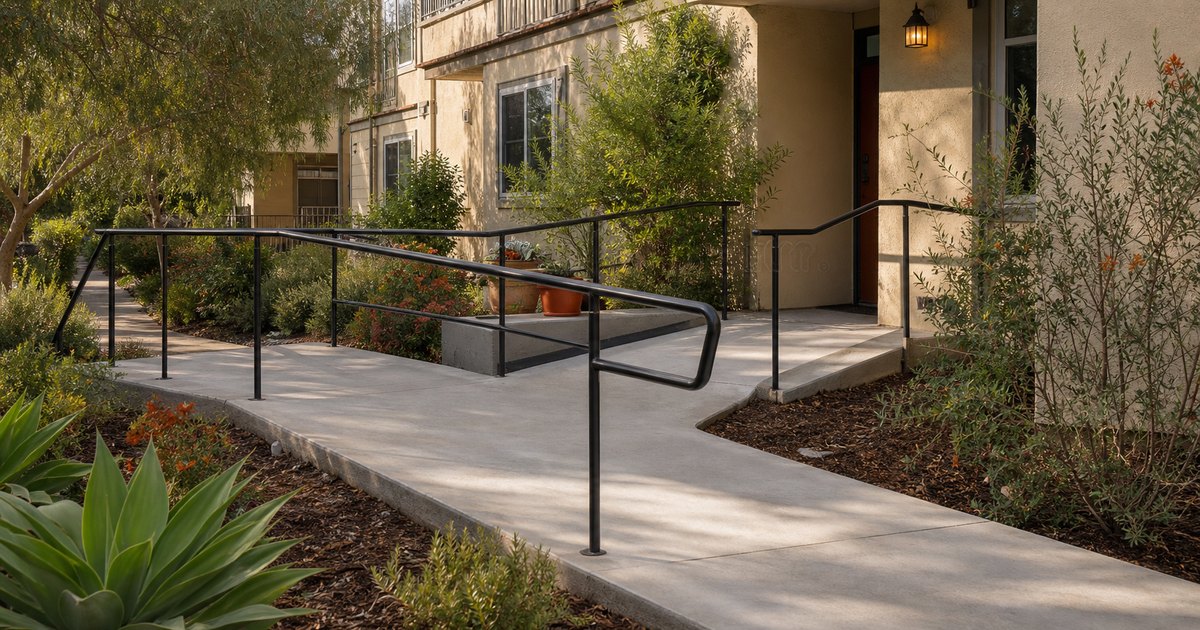
The ordinary fair-housing rule may allow a resident to make and pay for a reasonable modification. But an owner cannot shift an existing repair, accessible-design, building-code, Section 504, or subsidized-housing duty to the resident by labeling it a modification.
Start by classifying the problem
Before discussing cost, plans, or restoration, decide which category fits.
Reasonable modification
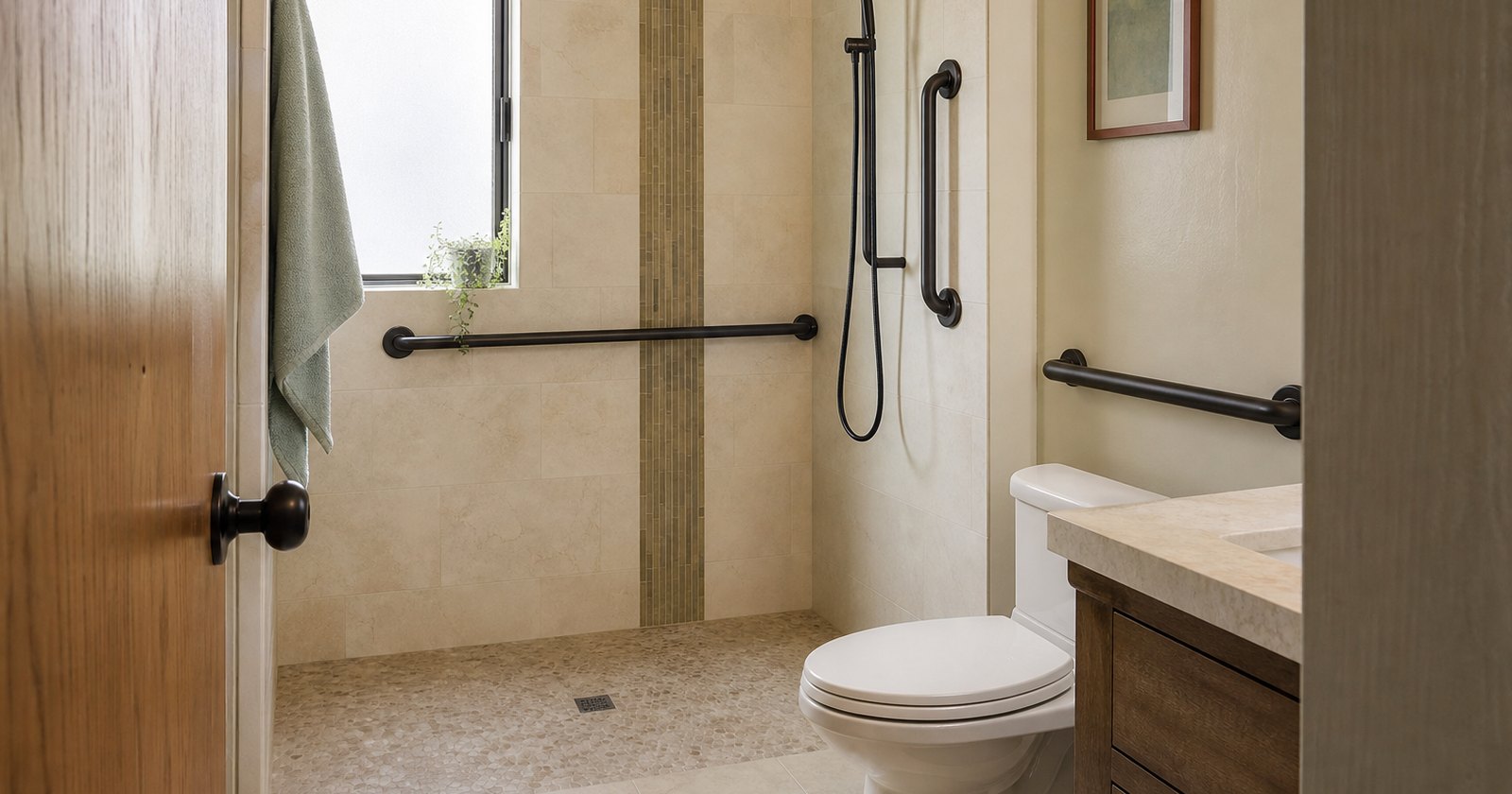
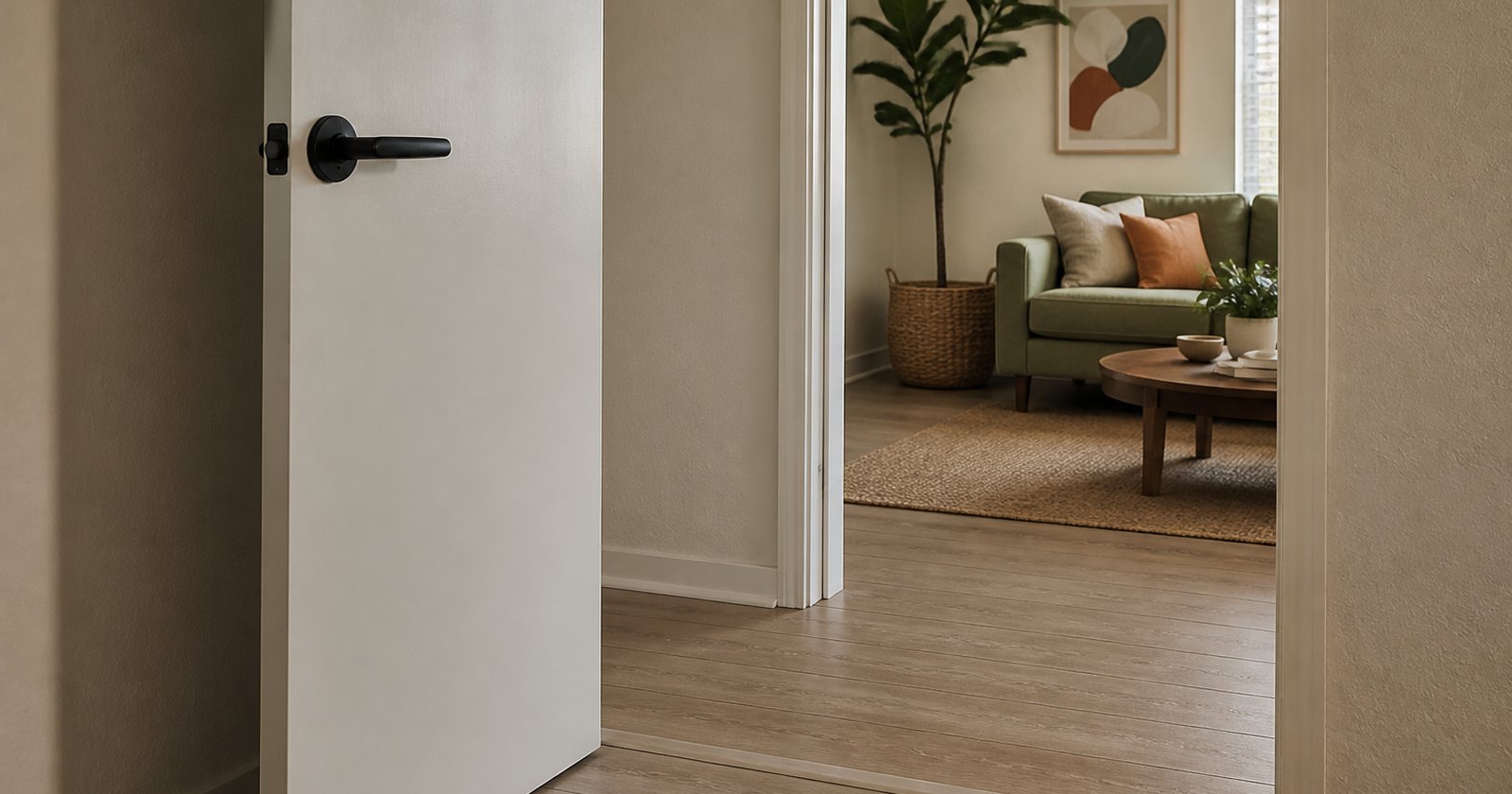
A modification is a physical change to a dwelling or its common-use areas that may be necessary for a person with a disability to use and enjoy the housing. Examples can include installing grab bars, widening a doorway, adding a ramp, changing hardware, or altering a walkway.
Reasonable accommodation
An accommodation changes a rule, policy, practice, or service. Reserving an accessible parking space, changing a communication method, or adjusting an entry procedure may be an accommodation even if paint or signage is needed to implement it.
See Reasonable Accommodation Requests for the nonphysical process.
Repair or maintenance
A broken handrail, failed elevator, deteriorated walkway, or nonworking door may be a maintenance or habitability problem. The owner should not require a disability request before performing work already required by the lease, code, or landlord-tenant law.
Preexisting accessibility duty
Design-and-construction law, California building standards, the Americans with Disabilities Act, Section 504, or program documents may independently require accessible features. The party responsible for an existing violation ordinarily cannot transfer that responsibility to the resident.
One situation can involve several categories. For example, restoring a broken common-area lift is maintenance; reserving its use at a certain time may be an accommodation; and installing a new feature beyond existing obligations may be a modification.
Federal and California rules
Under 42 U.S.C. section 3604(f)(3)(A) and 24 C.F.R. section 100.203, covered housing generally must permit reasonable disability-related modifications. In ordinary private housing, the resident generally pays for the modification.
California’s detailed rule is 2 C.C.R. section 12181. It addresses plans, payment, restoration, escrow, common areas, maintenance, preexisting duties, and other conditions. The California Civil Rights Department’s modification guide provides an official summary.
The analysis is property-specific. Construction and first-occupancy dates, permits, building type, common-area configuration, federal funding, and program participation can change the result.
A practical owner workflow
1. Acknowledge the request
The request need not use legal terms or arrive on a particular form. Record what change is requested, where, for whose use, and whether an immediate access problem needs an interim solution.
Do not reject a request because the resident has not yet supplied construction drawings. Start the process and explain what information is reasonably needed.
2. Identify the disability-related need
Apply the same limited-verification rules used for accommodations. If disability and need are apparent or already known, additional medical verification ordinarily should not be demanded.
If the connection between the disability and physical change is not apparent, ask only for reliable information necessary to establish it. Do not request a diagnosis, complete medical history, or unrestricted provider release.
3. Audit the property before allocating cost
Collect:
- Construction and first-occupancy dates.
- Permit and alteration history.
- Unit and common-area plans.
- Elevator and floor configuration.
- Accessibility surveys or prior claims.
- Funding, subsidy, tax-credit, or housing-program documents.
- The lease and maintenance responsibilities.
- Applicable local building and permitting rules.
This audit determines whether the proposal is truly an optional resident-paid modification or whether it overlaps an owner duty.
4. Define the proposed work
The owner may reasonably request enough information to understand the scope, materials, location, dimensions, schedule, affected utilities, common-area impact, permits, and contractor qualifications. Requirements should be proportionate to the project.
A grab bar and a structural ramp do not require identical submissions. An owner should not use a demand for professional drawings, an expensive bond, or multiple bids to obstruct a simple request.
5. Discuss alternatives without forcing a transfer
The resident’s proposed modification should be evaluated first. An alternative may work if it effectively meets the disability-related need. California regulations limit an owner’s ability to dictate a different design merely because it is preferred.
Do not automatically require the resident to move to another unit instead of modifying the current dwelling. A voluntary transfer may be an effective solution, but it should be evaluated through the interactive process with attention to rent, location, timing, moving cost, and accessibility.
6. Determine payment and conditions
For an ordinary reasonable modification in private housing, the resident generally pays. The owner may require work to be performed properly, obtain legally required permits, and comply with legitimate construction standards.
Different rules may apply when:
- The feature should already exist under accessible-design or building law.
- The work repairs an owner-maintained condition.
- The property receives federal financial assistance.
- Section 504 or a housing program requires the provider to pay.
- The owner chooses an alternative design that increases cost.
- A local rule, agreement, or funding condition allocates responsibility.
California rules generally do not permit an owner to demand a liability waiver or special liability-insurance condition simply because a modification is requested. Conditions must be grounded in the governing law and actual project.
7. Put the implementation plan in writing
A written approval should identify:
- Approved plans and location.
- Responsible payer.
- Permit and contractor requirements.
- Work hours and access.
- Protection of other residents and common areas.
- Inspection and sign-off.
- Ownership and maintenance responsibilities.
- Any lawful restoration obligation.
- Who to contact if conditions change.
The agreement should not waive fair-housing rights or release the owner from existing legal duties.
Restoration, deposits, and escrow
Restoration is not automatic. Under federal and California rules, a reasonable restoration condition can apply to an interior modification when restoration is reasonably necessary to make the premises suitable for the next resident. Exterior and common-area restoration generally may not be required on that basis.
An owner should not automatically increase the customary security deposit. In a proper case, the owner may be able to negotiate a reasonable interest-bearing escrow for interior restoration where the conditions and amount are supported. The estimated cost, expected useful life, benefit to future residents, and whether restoration will actually be needed all matter.
Do not use restoration language to require removal of an improvement that increases accessibility and does not interfere with future use.
Common areas and ongoing maintenance
Modifications can involve entrances, walkways, parking routes, mail areas, laundry rooms, recreation areas, and other shared spaces. The owner should evaluate safety, code compliance, other residents’ access, and whether work affects a building system.
Payment for the initial work does not answer every maintenance question. California regulations distinguish circumstances and may allocate upkeep differently depending on whether a feature serves only the requesting resident, remains part of a common-area system, or overlaps an owner duty. Define responsibility after legal review; do not make the resident responsible for all future common-area maintenance by default.
Separate accessibility laws
Covered multifamily design and construction
The federal Fair Housing Act includes design-and-construction requirements for certain covered multifamily dwellings first occupied after March 13, 1991. 24 C.F.R. section 100.205 addresses accessible routes, common areas, doors, controls, reinforcement, and usable kitchens and bathrooms.
A later modification request does not cure or transfer responsibility for a design violation.
California building standards
California has independent accessibility standards and statutory rules, including Government Code section 12955.1. The applicable standard depends on construction date, permit history, building configuration, and scope of later work. Obtain the governing code edition and permit record rather than relying on the building’s age alone.
Section 504
Housing receiving federal financial assistance may be subject to Section 504. That can require the provider to make and pay for modifications unless a different recognized defense applies. Program notices and funding documents may add procedures.
Americans with Disabilities Act
Residential units are generally analyzed under housing law, but public-facing places such as a rental office may be covered by Title III of the Americans with Disabilities Act. The Department of Justice Title III manual explains the public-accommodation framework.
Documents to gather for legal review
- The request and all communications.
- Limited verification, if lawfully requested.
- Photographs and measurements.
- Plans, bids, and product information.
- Permit and inspection records.
- Construction and first-occupancy records.
- Accessibility surveys and prior complaints.
- Funding, subsidy, or program agreements.
- Lease, rules, and maintenance records.
- Contractor license and insurance information ordinarily required for comparable work.
- Cost, restoration, and maintenance estimates.
- Proposed approval or alternative.
How Law Laguna can help you move forward
Law Laguna can classify the request, identify potentially overlapping owner duties, define a proportionate information request, review plans and proposed conditions, coordinate the interactive process, and prepare an implementation agreement.
The review can also organize construction dates, permits, funding, common-area obligations, restoration analysis, and the record needed for an architect, access consultant, building official, or specialized counsel.
Law Laguna can assess the tenancy, documents, local requirements, available options, and pre-litigation strategy. If a filed court action becomes necessary, the firm can help prepare an organized transition to appropriate litigation counsel.
Local-law and permitting caution
Building departments administer permit and inspection requirements, but a permit approval does not decide fair-housing responsibility. Local rent, relocation, tenant-harassment, and construction rules can also affect scheduling and communications.
Confirm the exact city and property status through the Local Law Center. If work temporarily affects habitability or access, coordinate the plan with Habitability, Repairs, and Relocation.
Common mistakes
- Treating every access problem as resident-paid.
- Demanding medical records when need is apparent.
- Requiring elaborate plans for simple work.
- Automatically increasing the security deposit.
- Requiring restoration of exterior or common-area work.
- Demanding a waiver or special insurance without legal support.
- Forcing a unit transfer instead of evaluating the request.
- Ignoring Section 504, design, code, or repair duties.
- Failing to define maintenance and inspection responsibility.
- Delaying while access remains unavailable.
Related guidance
- Fair-housing counsel for California rental-property owners
- California ADU, rental-conversion, zoning, and development counsel
Questions property owners often ask
Who usually pays for a reasonable modification?
In ordinary private housing, the resident generally pays for a modification. The owner may have to pay when the condition overlaps an existing design, code, repair, maintenance, Section 504, or program duty.
Can an owner require plans and permits?
The owner may request reasonable information and compliance with permits genuinely required for the work. The level of documentation should fit the project and should not be used to obstruct a simple modification.
May the security deposit be increased?
Not automatically. A fact-specific, reasonable interest-bearing escrow may be possible for permitted interior restoration in some circumstances, but it is not a routine additional deposit.
Can the resident be required to restore the unit?
A reasonable restoration condition may apply to some interior changes. Exterior and common-area restoration generally should not be required on that basis. The likely future use and actual need for restoration matter.
Can the owner offer a different design?
An equally effective alternative can be discussed through the interactive process. The owner cannot simply impose a preferred design without satisfying the conditions governing alternatives and cost responsibility.
May an owner require the resident to move instead?
Not automatically. A voluntary transfer may be considered, but forcing a transfer can be unlawful when a reasonable modification would allow continued use of the existing unit.
Does the ADA apply to an apartment building?
The Fair Housing Act and California housing law generally govern residential units. The ADA may separately cover public-facing facilities such as a rental office, and Section 504 may apply to federally assisted housing.
What if the requested work reveals an existing accessibility defect?
Pause the resident-paid analysis. Determine the construction dates, permits, applicable code, funding, and responsible party before allocating cost or requiring restoration.
Review the physical-access decision before work begins
Early review can prevent the wrong party from paying, an unlawful condition from entering the agreement, or a permit and access issue from becoming a dispute.
Review the Fair-Housing Decision
Laws and local procedures change. Confirm current statutes, regulations, building standards, funding requirements, and local procedures before relying on this page for a specific project.