A California owner should not move directly from frustration to a three-day notice. The first task is to identify a lawful, material lease obligation; document the specific conduct; determine whether the issue is curable; screen for fair-housing, habitability, retaliation, and local-law concerns; and choose a response proportionate to the problem.
For a covered tenancy, Civil Code section 1946.2 creates an important sequence. Before terminating for a curable lease violation, the owner must first provide an opportunity to cure under Code of Civil Procedure section 1161(3). If the violation is not cured during that period, the statute calls for a later three-day notice to quit without another opportunity to cure. Local law may impose an earlier warning or additional content and filing.
Who this service is for
This service is for an owner or authorized manager confronting:
- An ordinary pet or animal-rule issue.
- Smoking in a prohibited area.
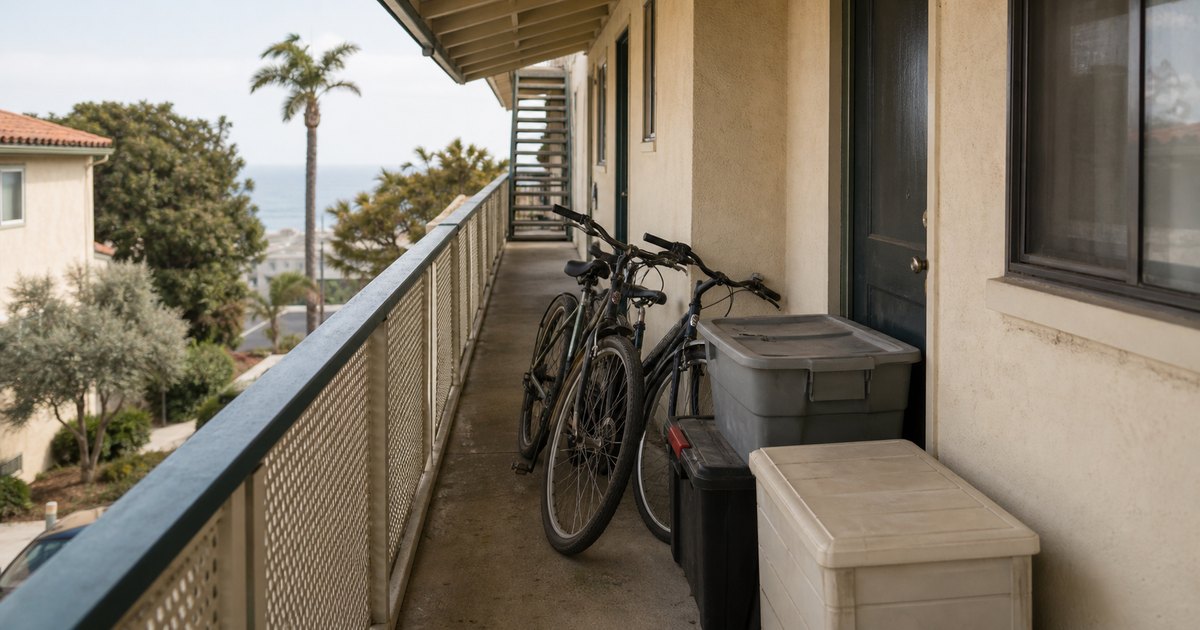
- Parking, storage, balcony, or common-area violations.
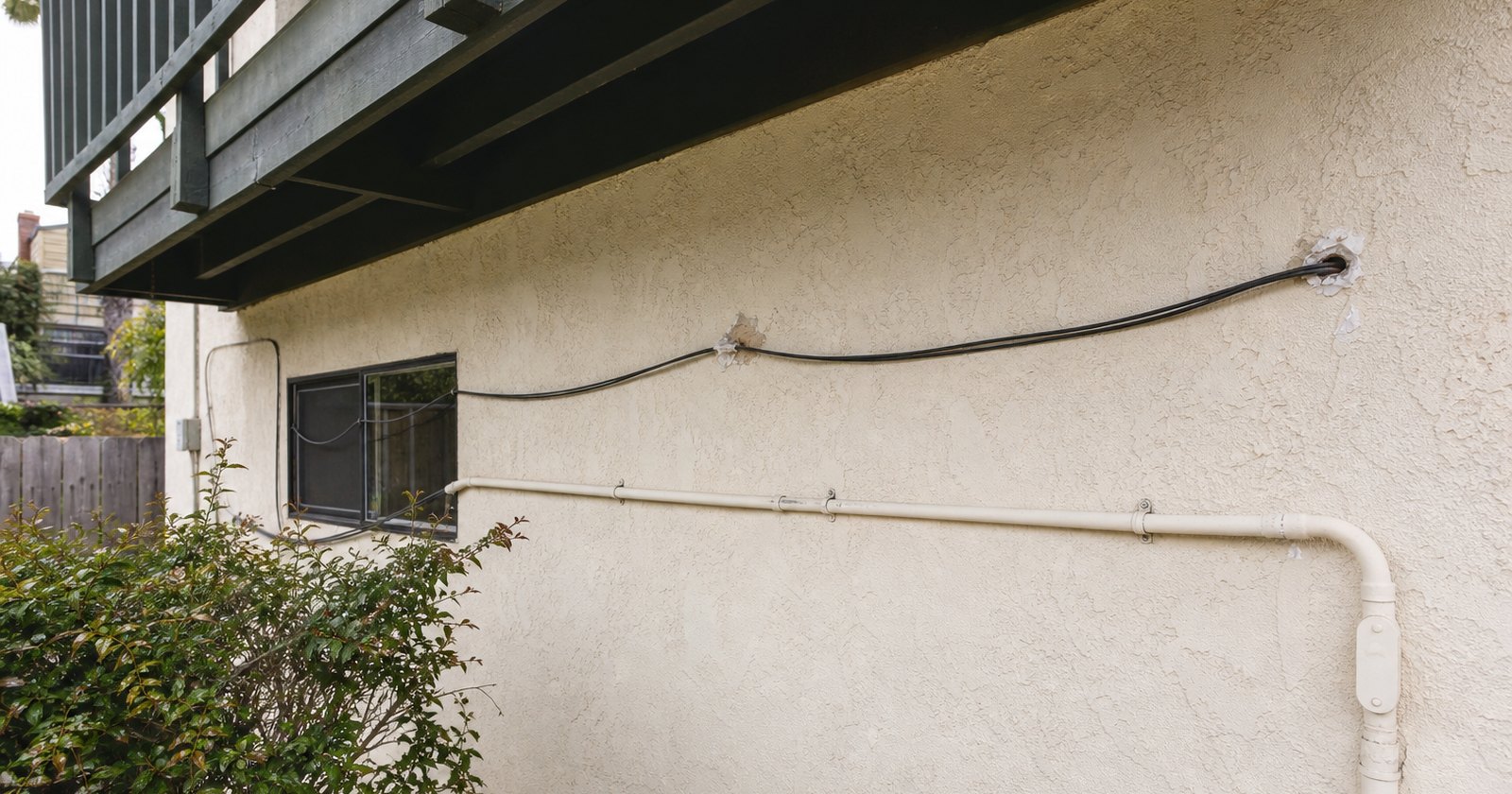
- Unauthorized alterations, fixtures, or equipment.
- Improper business or short-term-rental use.
- Failure to maintain required renter’s insurance, when lawfully required.
- Refusal of lawful access.
- Repeated sanitation or housekeeping conditions affecting the property.
- Noise or guest conduct that has not yet been classified as a statutory nuisance.
- Another written lease or rules violation that may be capable of correction.
Serious nuisance, waste, threats, major damage, unlawful use, and unauthorized subletting can require a different analysis. See the related nuisance and damage guide and unauthorized-occupant guide.
When owners call
Owners commonly seek help when prior warnings did not work, managers used inconsistent language, the lease is unclear, the resident disputes the facts, or a formal notice may become the foundation of a possession case.
Review is especially useful when:
- The owner learned of the issue through another tenant.
- Photographs or video do not show dates or source.
- The resident partly corrected the problem.
- Management previously tolerated similar conduct.
- The claimed breach is not expressly addressed in the lease.
- The owner wants entry to verify compliance.
- A disability, assistance animal, caregiver, or accommodation is mentioned.
- The resident complained about repairs or contacted an agency.
- A local ordinance uses its own warning, filing, or translation rules.
What can change the answer
The actual lease language
The review should use the signed lease, addenda, incorporated rules, renewals, and translations—not a current company template. The obligation should be lawful, sufficiently clear, and applicable to the conduct at issue.
Materiality
AB 1482 identifies breach of a material lease term as at-fault just cause. A technical, stale, selectively enforced, or harmless deviation may not support the same response as conduct affecting safety, property, operations, or other residents. The owner should be able to explain the business and tenancy significance of the term.
Curability
A curable breach is one the resident can meaningfully stop, remove, restore, provide, or permit. Examples may include removing an ordinary unauthorized pet, discontinuing prohibited smoking, clearing storage, providing lawful access, or stopping an unapproved use.
Do not label a breach “noncurable” merely to avoid the opportunity required by law. Conversely, conduct that may constitute nuisance, waste, or unlawful use should not be reduced to a routine cure notice without assessing safety and proof.
Notice and knowledge
The owner should identify when it learned of the issue, what it communicated, what the resident did next, and whether management later accepted performance inconsistent with the claimed default.
Protected circumstances
A rule violation may intersect with:
- A reasonable-accommodation request.
- An assistance animal rather than a pet.
- A live-in aide or caregiver.
- Disability-related conduct.
- A survivor-of-abuse protection.
- Religious practice or another protected characteristic.
- A habitability complaint or protected tenant activity.
The California Civil Rights Department explains that an accommodation request need not use special words or be in writing and may seek an exception or adjustment to a rule. The owner should pause the ordinary enforcement track long enough to identify and process a possible request.
How Law Laguna can help you move forward
Depending on scope, Law Laguna can:
- Review the controlling lease and rule.
- Build an incident chronology.
- Separate firsthand proof from conclusions and hearsay.
- Assess materiality, curability, waiver, and consistency.
- Identify the appropriate warning, cure, accommodation, access, or settlement path.
- Review or prepare a pre-litigation communication.
- Review statutory and local notice content and sequence.
- Plan evidence preservation and follow-up inspections.
- Identify when a specialist, insurer, law-enforcement agency, or litigation counsel should be involved.
- Organize the record for an unlawful-detainer referral if the violation remains uncured.
Law Laguna can assess the tenancy, documents, local requirements, available options, and pre-litigation strategy. If a filed court action becomes necessary, the firm can help prepare an organized transition to appropriate litigation counsel.
Concrete work product
A defined engagement may produce:
- A lease-term and coverage analysis.
- A chronology and evidence table.
- A materiality and cure assessment.
- An accommodation or access issue list.
- A written warning or compliance request.
- A reviewed notice and service checklist.
- A post-service decision plan.
- A referral memorandum and indexed exhibits.
Engagement process
1. Confirm the objective
The owner may need compliance, access, repair, documentation, protection of other residents, reimbursement, or possession. Those objectives can call for different tools.
2. Review the complete file
Collect the signed agreement, rules, prior warnings, communications, incident reports, photographs, videos, witness information, repair records, accommodation materials, and local records.
3. Classify the issue
Determine whether it is:
- A curable material covenant breach.
- A potentially noncurable breach.
- Nuisance, waste, or unlawful use.
- An occupancy or subletting issue.
- A fair-housing or accommodation matter.
- Primarily a repair, safety, or access problem.
- Too uncertain for a formal notice without more investigation.
4. Select and document the response
The response may be a business communication, formal warning, cure notice, access protocol, accommodation process, written agreement, or termination strategy. The owner should know in advance what proof will show cure or noncure.
Governing notice framework
Section 1161(3)
For failure to perform a lease covenant other than payment of rent, section 1161(3) addresses a written three-day notice requiring performance or possession. Saturdays, Sundays, and other judicial holidays are excluded from the cure period. The notice must describe the required performance with enough precision for the resident to understand what must be done.
If the condition cannot later be performed, section 1161 contains different language. Whether that exception applies is a legal classification, not a box to check.
AB 1482 sequence
For a tenancy covered by section 1946.2, subdivision (c) requires the cure notice first. If the violation remains uncured, the owner may thereafter serve a three-day notice to quit without another cure opportunity. Do not collapse those documents into one step where the statute or local law requires two.
Service
Code of Civil Procedure section 1162 provides the service hierarchy for section 1161 notices. Substitute or posting service requires mailing and statutory predicates. Preserve a detailed proof of service and copies of exactly what was delivered.
Lawful access
If the alleged breach is refusal of access, first verify the owner’s request. Civil Code section 1954 limits permissible purposes and regulates notice and timing. Twenty-four hours is presumed reasonable for qualifying written notice absent contrary evidence, but it is not an automatic license to enter or a universal rule for every circumstance. The notice should state date, approximate time, and purpose, and entry rights may not be abused or used to harass.
Big 3 local overlay check
Orange County and Santa Ana
State law is the starting point in much of Orange County. Santa Ana adds local just-cause, notice, language, registry, and filing requirements. Current post-judgment ordinance materials require a termination notice and proof of service to be submitted to the city within five days after tenant service. Confirm coverage, registry standing, exact attachments, and portal instructions on the service date.
City of Los Angeles and unincorporated county
The City of Los Angeles RSO and JCO contain their own at-fault grounds and procedural requirements. LAHD requires covered termination notices to be filed within three business days after service. Some city grounds require a prior warning or cure process, and a city notice may need renter-protection or right-to-counsel materials.
Unincorporated Los Angeles County uses the RSTPO, with different coverage, registration, just-cause, and notice rules. Other incorporated cities may regulate breaches separately. Confirm the exact jurisdiction before relying on a Los Angeles label.
City of San Diego
San Diego Municipal Code section 98.0706 expressly requires a written description and cure opportunity for a curable at-fault breach, followed by a three-day quit notice if not cured. The ordinance also contains a conditional notice-to-commission requirement tied to creation of a submission portal and public notice. Verify current implementation and retain proof of every step.
Fair-housing and retaliation screen
Government Code section 12955 and federal fair-housing law prohibit specified discrimination. A disability-related exception can be requested at any stage, including after the owner raised a violation. The owner should engage promptly and in good faith rather than demand a preferred form as a precondition to recognizing the request.
Civil Code section 1942.5 addresses retaliation following specified tenantability complaints and other protected activity. A lawful breach can still be enforced, but the file should show a good-faith ground, consistent treatment, and a response separate from protected activity.
Common mistakes
- Citing a lease paragraph without describing the actual conduct.
- Calling a minor or ambiguous term material without analysis.
- Using a quit-only notice for a curable problem.
- Skipping the second notice required by section 1946.2 after noncure.
- Treating an assistance animal as an ordinary pet.
- Calling every guest an unauthorized occupant.
- Demanding access after an invalid entry notice.
- Relying only on anonymous complaints.
- Failing to define what would constitute cure.
- Accepting inconsistent performance without documenting the effect.
- Missing local warning, attachment, translation, filing, or registry requirements.
- Serving a new notice while an accommodation request remains unaddressed.
Litigation and specialist handoff
A filed case may require litigation counsel to evaluate pleadings, evidence, witnesses, waiver, defenses, and local compliance. Fair-housing agency matters, restraining orders, criminal investigations, insurance claims, and major building conditions may require separate expertise.
Law Laguna’s service is preventive and pre-litigation. No court filing or appearance is included unless a later written engagement expressly says so.
Related services and guides
- Evictions and lease enforcement
- Pre-litigation possession assessment
- Nuisance, property damage, and illegal conduct
- Unauthorized occupants and subletting
- California unlawful-detainer process
- Tenant claims and settlement
- AB 1482 guide
- Check which local rules apply
Questions property owners often ask
Is every lease violation grounds for eviction?
No. The term must be lawful and applicable, and AB 1482 refers to a material lease term. Curability, proof, waiver, accommodation, retaliation, and local just-cause law can change the result.
How many days does a tenant have to cure a covenant breach?
Section 1161(3) uses three days and excludes Saturdays, Sundays, and judicial holidays. Local law may require an earlier warning or additional process. Calculate from the actual service method.
Does AB 1482 require two notices for a curable breach?
For a covered tenancy, section 1946.2(c) requires a cure opportunity first. If the violation is not cured, a three-day notice to quit without a further cure opportunity may then be served.
Can an owner use a notice for refusal of entry?
Potentially, but the owner’s entry request must itself comply with Civil Code section 1954. Review purpose, notice, timing, prior communications, accommodations, and proof before treating refusal as a breach.
Is an unauthorized animal always a lease violation?
No. An assistance animal is not treated as an ordinary pet under fair-housing law. A statement connecting the animal to a disability-related need may trigger an accommodation process even if it does not use formal terminology.
What if the tenant fixes the problem on the last day?
A timely cure should be documented and the enforcement path reassessed. The owner may preserve the history and communicate future expectations, but should not proceed as though the cure did not occur.
Can a manager rely on another tenant’s complaint?
A complaint may justify investigation, but a possession notice should rest on evidence that can be described and supported. Preserve the original report, identify witnesses, seek corroboration, and avoid promising anonymity that cannot be maintained.
Does Law Laguna handle the later court case?
Law Laguna focuses on counseling, documents, compliance, negotiation, and pre-litigation strategy. If filing becomes necessary, the firm can prepare an organized transition to appropriate litigation counsel. Court representation requires a separate written engagement.
Have the Notice and Timeline Reviewed
Law Laguna can review the lease, evidence, cure classification, accommodation issues, local rules, notice sequence, and next-step plan before service.
Have the Notice and Timeline Reviewed
Laws and local procedures change. This page is general information, not legal advice.
Verify the current declaration, rate, fee, form, or agency instruction before acting.
Official sources used for this page
- leginfo.legislature.ca.gov — source 1
- leginfo.legislature.ca.gov — source 2
- leginfo.legislature.ca.gov — source 3
- leginfo.legislature.ca.gov — source 4
- leginfo.legislature.ca.gov — source 5
- leginfo.legislature.ca.gov — source 6
- calcivilrights.ca.gov — source 7
- selfhelp.courts.ca.gov — source 8
- housing.lacity.gov — source 9
- cc-publicdocs.santa-ana.org — source 10
- docs.sandiego.gov — source 11