That system should connect:
- The lease and property rules.
- Tenant communications.
- Lawful access.
- Repair triage.
- Vendor instructions.
- Habitability.
- Safety devices and inspections.
- Environmental conditions.
- Local housing and fire codes.
- Accommodation requests.
- Relocation decisions.
- Insurance and claims.
- Emergency response.
- Record retention.
When those parts operate separately, an ordinary maintenance issue can become a habitability dispute, retaliation allegation, code case, insurance problem, or ineffective enforcement action.
Law Laguna helps owners create and use a more disciplined property-operations process.
Compliance begins with ownership and operating facts
Before building a checklist, identify:
- Property address and actual jurisdiction.
- Property type, age, unit count, and occupancy classification.
- Ownership and management structure.
- Owner-occupied units.
- Leases, addenda, and property rules.
- Amenities and common areas.
- Balconies, decks, pools, parking, appliances, alarms, and other regulated features.
- Known hazards, prior reports, and open permits.
- Current inspections and certificates.
- Vendors and emergency contacts.
- Insurance requirements.
- Subsidized-housing participation.
- Coastal, wildfire, short-term-rental, HOA, or other specialized overlays.
A generic apartment checklist will not fully address a coastal single-family home, an older multifamily building, a short-term lodging unit, or a property with exterior elevated elements.
Habitability and repair response
California’s landlord-tenant statutes, including the Civil Code landlord-tenant chapter, interact with state housing law, local codes, and the facts of the condition.
An owner’s repair workflow should answer:
- What was reported?
- When and how was it reported?
- Is there an immediate health, safety, water, power, access, security, fire, or structural risk?
- Who must inspect?
- What lawful access is required?
- What vendor has the correct skill and license?
- Is the unit safe to occupy during the work?
- Is temporary relocation required by law, program, order, or practical safety?
- What should be communicated?
- What evidence shows the issue was investigated and closed?
The owner should not delay a legitimate repair merely because a tenant is behind on rent or involved in a separate dispute.
Lawful entry and access
An owner may need access to inspect, repair, supply services, show the property, or respond to an emergency. The permissible purpose, notice, timing, method, and actual conduct matter.
An access system should preserve:
- The reason for entry.
- The tenant’s request or the condition requiring access.
- The notice.
- Scheduling communications.
- Who entered.
- Work performed.
- Photographs and vendor records.
- Follow-up.
Repeated access disputes should be escalated before the owner or manager improvises.
State housing law and local code
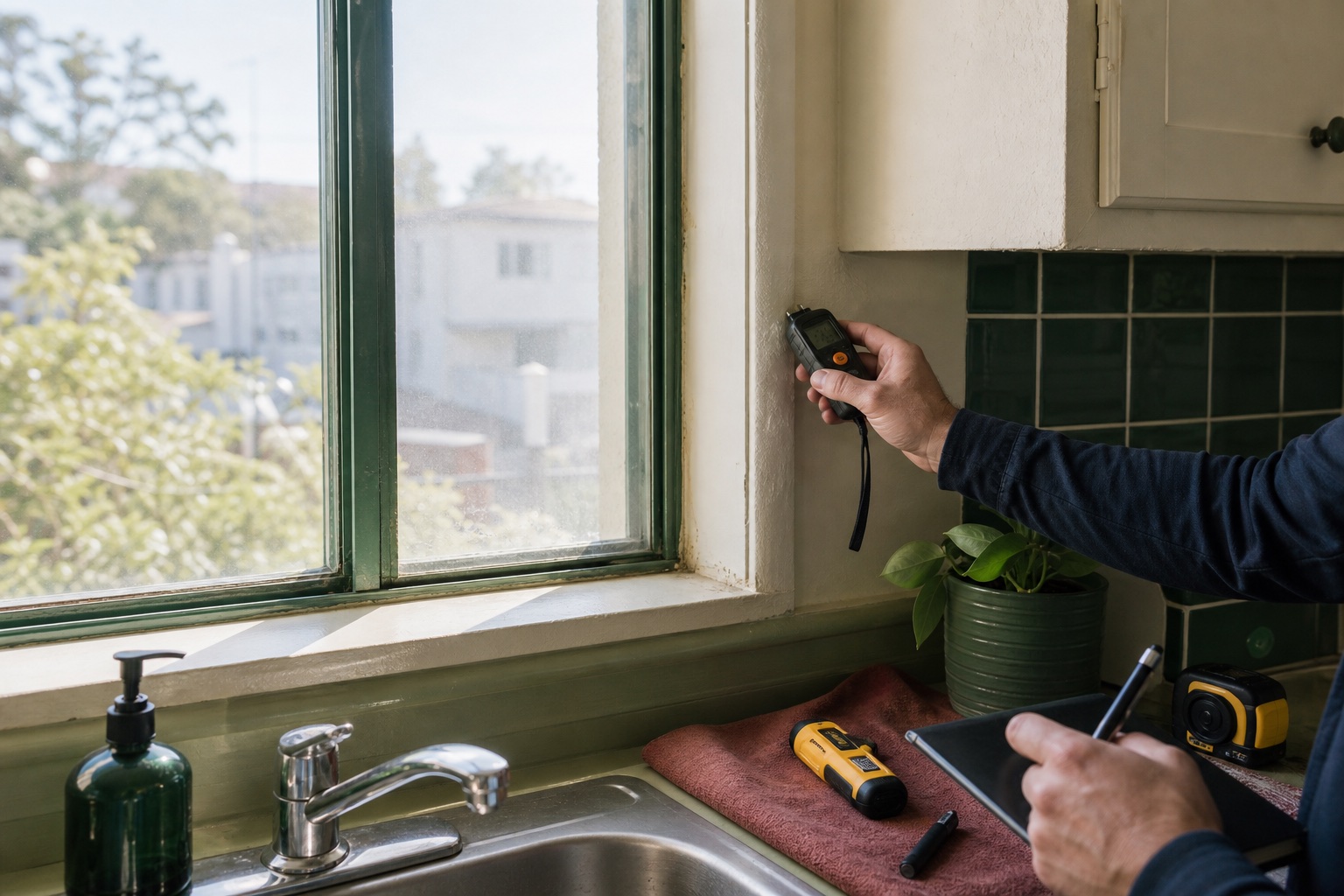
Health and Safety Code section 17920.3 identifies conditions that may render a building or portion of it substandard. Local building, housing, fire, health, and code-enforcement agencies apply additional rules and procedures.
The owner may need to respond to:
- A tenant complaint.
- A routine inspection.
- A fire inspection.
- A code notice.
- An order to repair or vacate.
- A rent-escrow or enforcement program.
- A subsidized-housing inspection.
- A building-permit or plan-review issue.
Private communications with a tenant and communications with the agency should be coordinated. A repair plan that satisfies one issue may not resolve the other.
Balconies, decks, and exterior elevated elements
Covered multifamily properties can have recurring inspection and repair obligations for balconies, decks, stairs, walkways, and other exterior elevated elements.
The owner should identify:
- Whether the property and element are covered.
- The qualified inspector.
- Inspection timing.
- Required report contents.
- Immediate safety conditions.
- Repair and permit steps.
- Tenant access or relocation.
- Record retention.
- Local implementation.
Do not wait for visible failure or a tenant complaint to determine whether an inspection cycle applies.
Mold, lead, asbestos, and toxic conditions
Environmental issues require careful allocation of legal, scientific, and remediation tasks.
The owner’s response may involve:
- Immediate safety and access.
- Qualified assessment.
- Source control.
- Required disclosures.
- Containment and remediation.
- Tenant communication.
- Relocation.
- Clearance testing.
- Vendor licensing.
- Insurance notice.
- Preservation of reports and photographs.
The owner should not make unsupported scientific conclusions in an email or treat every reported condition as identical.
Fire safety, alarms, and appliances
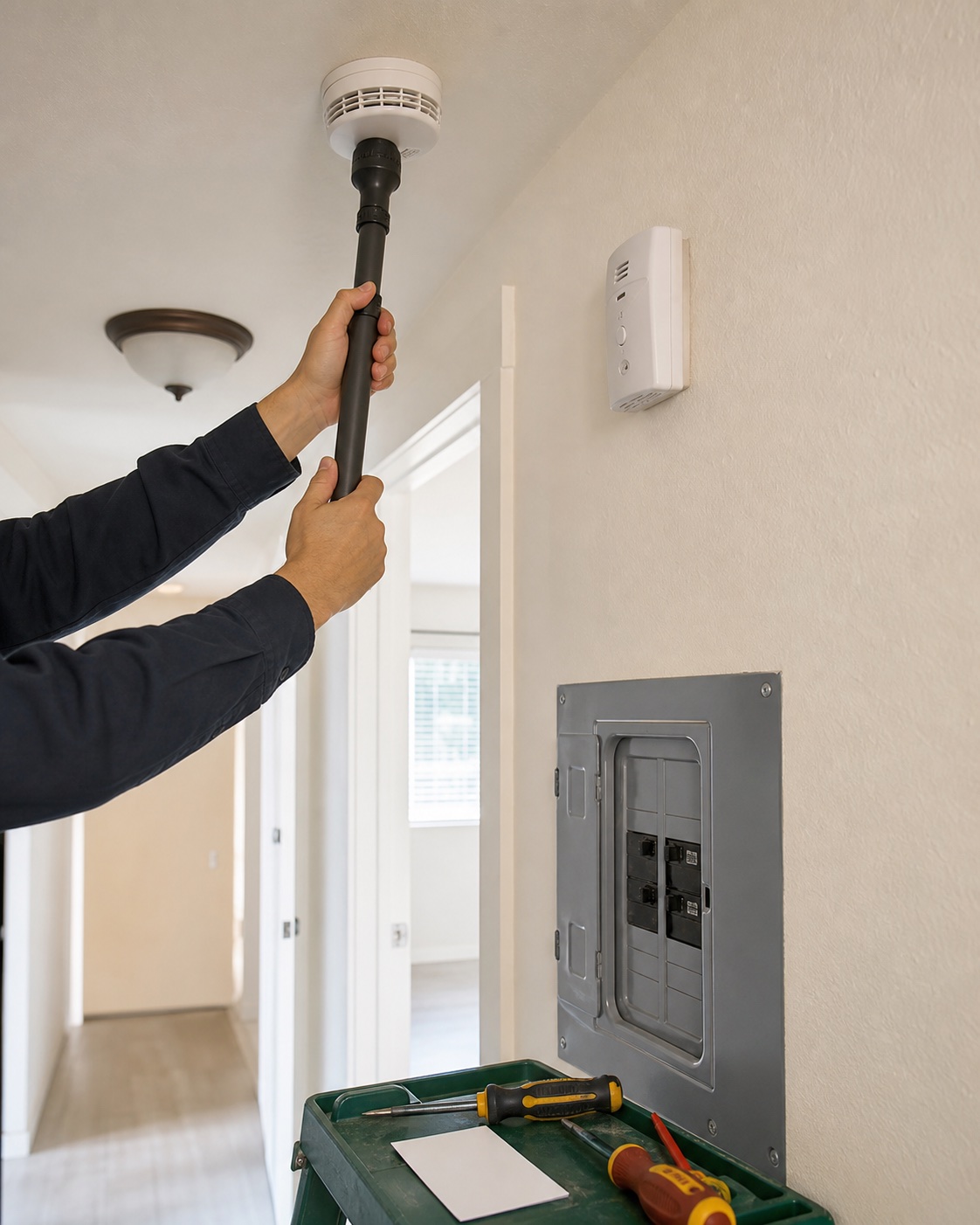
Property operations should track:
- Smoke alarms.
- Carbon-monoxide devices.
- Fire extinguishers and systems where required.
- Emergency access and egress.
- Local fire inspections.
- Appliance condition and current lease-related obligations.
- Tenant testing or notification procedures.
- Vendor service.
- Replacement and proof of completion.
Relevant statewide sources include Health and Safety Code section 13113.7 and section 17926. The exact duties depend on the building and current law.
California appliance requirements changed for qualifying leases entered, amended, or extended on or after January 1, 2026. The property, lease event, appliance, and statutory exception should be checked before relying on a summary.
Post-disaster operations
Fire, flood, smoke, chemical release, earthquake, storm, or another disaster can affect:
- Habitability.
- Access.
- Remediation.
- Rent.
- Temporary relocation.
- Return to the unit.
- Insurance.
- Government orders.
- Price-gouging restrictions.
- Contractor and permit decisions.
California enacted new post-disaster rental provisions effective in 2026. Every event also requires a current check of declarations, emergency orders, agency instructions, and local conditions.
Pools, dogs, common areas, and premises risk
Owners should identify recurring injury and access risks involving:
- Pools, spas, gates, and barriers.
- Dogs and other animals.
- Stairs, railings, walkways, and lighting.
- Parking and vehicle movement.
- Trees and landscaping.
- Security devices.
- Shared facilities.
- Known recurring conduct.
The property file should show inspection, notice, repair, vendor, and follow-up practices. A lease allocation does not automatically eliminate statutory, code, or premises duties.
Build a recurring compliance calendar
The calendar should distinguish:
Property-level events
- Annual or periodic inspections.
- Safety-device testing.
- Vendor service.
- Permit and license renewal.
- Registration.
- Fire or defensible-space review.
- Insurance renewal.
Tenancy-level events
- Move-in documents.
- Condition evidence.
- Lease renewal or amendment.
- Rent review.
- Accommodation follow-up.
- Inspection and repair closure.
- Move-out process.
Law-level events
- January 1 statutory changes.
- July 1 form and rule changes.
- Rent-cap effective periods.
- Local fee and registration cycles.
- Building-code editions.
- Emergency declarations.
A practical issue-response workflow
1. Receive and classify
Centralize reports and identify urgency. A manager should know which conditions require immediate escalation.
2. Preserve the original report
Keep the date, wording, photographs, portal entry, and person who received it.
3. Assign qualified investigation
Use an appropriate employee, manager, vendor, inspector, engineer, environmental professional, or emergency service.
4. Arrange lawful access
Coordinate notice and scheduling. Record unsuccessful attempts without escalating through threats or self-help.
5. Communicate the plan
Tell the tenant what will happen, who will attend, when follow-up is expected, and how urgent changes should be reported.
6. Complete, verify, and close
An invoice alone may not establish that the condition was resolved. Confirm completion and retain final evidence.
7. Reassess legal overlays
Ask whether the issue affects rent, relocation, accommodation, code, insurance, enforcement, or a pending notice.
How Law Laguna can help you move forward
Depending on scope, Law Laguna can:
- Review the property’s compliance profile.
- Build an owner or portfolio checklist.
- Review lease and operational procedures.
- Assess a developing habitability or repair matter.
- Review access and communication strategy.
- Help coordinate relocation and documentation issues.
- Review local inspection, registration, and code-enforcement requirements.
- Advise on fair-housing or retaliation overlays.
- Respond to a demand or agency matter within scope.
- Help organize a specialist, insurer, or litigation referral.
Legal counsel does not replace qualified contractors, inspectors, engineers, environmental professionals, building officials, or emergency responders. The goal is to coordinate the legal and operational pieces.
Common mistakes
- Treating repair intake as informal text-message traffic.
- Failing to preserve the original report.
- Sending the wrong vendor.
- Declaring a condition safe without qualified support.
- Delaying access or repair during a rent dispute.
- Using entry rights as leverage.
- Closing a ticket without verifying completion.
- Ignoring tenant relocation or accommodation needs.
- Allowing manager communications to contradict vendor or agency records.
- Missing local inspection, registration, or permit requirements.
- Failing to notify insurance.
- Keeping no recurring compliance calendar.
- Reusing a pre-2026 lease or checklist without review.
Questions property owners often ask
How quickly must a California landlord make a repair?
The answer depends on the condition, severity, safety risk, notice, access, reasonable repair time, and applicable statute or local code. Emergency conditions require a different response from routine work. Prompt triage and documentation are essential.
Can an owner enter immediately to inspect a reported problem?
Emergency entry and ordinary repair or inspection entry are governed differently. The owner should identify the lawful purpose, urgency, notice rule, and actual circumstances before entering.
Must a tenant be relocated during repairs?
Not every repair requires relocation. The owner should evaluate whether the work can be completed safely with the tenant in place, whether an agency or program requires relocation, and whether state or local rent rules impose assistance or procedural obligations.
Does the lease make the tenant responsible for every appliance?
Not automatically. Current California law, habitability requirements, the lease event, property facts, and statutory exceptions must be reviewed. Appliance law changed for qualifying lease events beginning January 1, 2026.
What should an owner do after a code complaint?
Preserve the notice, calendar deadlines, inspect with qualified help, communicate carefully, correct valid conditions, retain proof, and coordinate the private tenancy issue with the administrative process. Consider insurance and legal review.
Are balcony inspections required for every rental?
No. Coverage depends on the property and the type of exterior elevated element. Qualifying multifamily owners should verify the current inspection cycle, professional qualifications, local implementation, repairs, and records.
Can a landlord enforce a lease while a repair dispute is pending?
Possibly, but habitability, retaliation, access, and evidence issues may affect strategy. Address legitimate repairs and obtain legal review before assuming the matters are unrelated.
Turn property obligations into an operating system
Start with the property, current tenancy, known conditions, inspections, vendors, local programs, and the issue that is not fitting the usual process.
Review the Property Compliance Plan
Explore the complete Law of the Landlord knowledge platform.